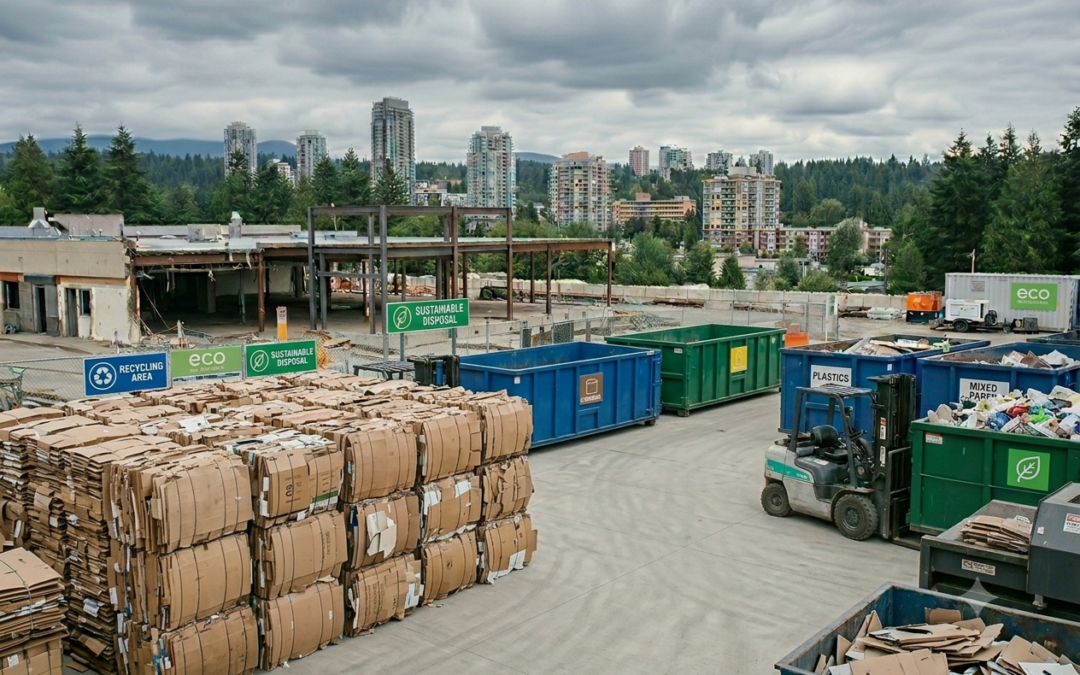
Cardboard waste has become one of the largest contributors to commercial and residential recycling streams across Metro Vancouver. With the rapid growth of e-commerce, warehouse logistics, retail distribution, and construction activity, businesses are generating more cardboard packaging waste than ever before. The challenge many companies now face is deciding whether cardboard materials should be reused internally or processed through professional recycling systems.
For businesses looking to improve sustainability practices, reduce disposal costs, and support environmental compliance, understanding the difference between reuse and recycling is essential. Companies investing in smarter waste management strategies are now combining reuse initiatives with professional Commercial Waste Recycling Vancouver services to create more efficient and environmentally responsible operations.
Understanding the Difference Between Reusing and Recycling Cardboard
Although the terms are often used interchangeably, cardboard reuse and recycling serve different purposes in commercial waste management.
Reusing Cardboard
Reuse involves extending the life cycle of cardboard boxes before they enter the waste stream. Many businesses reuse boxes for:
- Internal storage
- Shipping returns
- Warehouse organization
- Product transportation
- Temporary moving and relocation projects
Reusing materials reduces immediate waste output while lowering packaging costs. Businesses that receive high volumes of clean, durable boxes can often benefit from structured reuse systems.
Recycling Cardboard
Recycling begins once cardboard materials are no longer suitable for reuse. Cardboard is collected, sorted, processed into pulp, and transformed into new paper-based products.
Professional recycling systems help businesses:
- Reduce landfill contributions
- Improve sustainability targets
- Meet environmental regulations
- Minimize contamination risks
- Support circular economy initiatives
Commercial recycling also becomes necessary when boxes are damaged, contaminated, wet, or structurally weak.
The Environmental Impact of Cardboard Waste in Vancouver
Vancouver’s commercial sector produces substantial packaging waste due to retail expansion, industrial operations, and online distribution networks. While cardboard is biodegradable, sending large quantities to landfills still creates avoidable environmental strain.
When cardboard decomposes improperly in landfills, it contributes to methane emissions and unnecessary waste accumulation. Recycling reduces the demand for virgin paper materials, conserves energy, and lowers greenhouse gas emissions associated with manufacturing.
Businesses implementing advanced recycling programs often experience improved operational efficiency while strengthening their environmental reputation among customers and partners.
When Reuse Is the Better Option
Reuse should generally be prioritized before recycling whenever cardboard materials remain functional and uncontaminated. The waste hierarchy used in environmental management places reuse above recycling because it consumes fewer resources overall.
Businesses may benefit from reuse when:
- Boxes remain structurally strong
- Packaging materials are clean and dry
- Shipping requirements allow secondary packaging
- Internal logistics require temporary storage containers
- Operations generate repeat-use inventory movement
Warehouses and distribution centers often achieve significant savings by establishing internal cardboard reuse systems.
However, reuse has limitations. Excessive storage of used boxes can create safety hazards, increase fire risks, and reduce workspace efficiency in commercial facilities.
Why Commercial Recycling Is Still Essential
Even businesses with reuse systems eventually generate unusable cardboard waste. That is where professional cardboard recycling Vancouver becomes critical.
Commercial recycling providers help companies manage large-scale cardboard waste efficiently while maintaining compliance with local disposal regulations.
Advanced recycling services may include:
- Scheduled cardboard pickups
- Compaction services
- Sorting and contamination management
- Construction packaging disposal
- Retail waste collection
- Warehouse recycling programs
Professional recycling systems also prevent recyclable materials from being mixed with food waste, hazardous materials, or construction debris that could contaminate the recycling stream.
Challenges Businesses Face With Cardboard Waste
Many Vancouver businesses struggle with increasing cardboard volumes due to changing consumer habits and supply chain demands.
Common challenges include:
Storage Limitations
Large quantities of flattened boxes require significant storage space, especially in retail and warehouse environments.
Contamination Problems
Cardboard contaminated with grease, chemicals, or food waste may become non-recyclable.
Operational Inefficiency
Without organized recycling systems, cardboard accumulation can interfere with workflow efficiency and workplace safety.
Increased Disposal Costs
Improper waste sorting often increases landfill disposal expenses and operational overhead.
Professional commercial waste management Vancouver helps businesses create streamlined disposal systems that reduce these issues while supporting long-term sustainability goals.
The Role of Circular Economy Practices
Modern waste management strategies are increasingly focused on circular economy principles. Instead of treating cardboard as disposable packaging, businesses are now viehttps://www.canadianempirerecycling.com/vancouver-bc/wing it as a recoverable resource with ongoing economic value.
A circular approach encourages:
- Material recovery
- Resource efficiency
- Waste reduction
- Sustainable packaging systems
- Lower environmental impact
Businesses adopting these practices often improve brand perception while aligning with evolving environmental expectations across British Columbia.
Building a Smarter Commercial Waste Strategy
The most effective waste management systems do not rely exclusively on reuse or recycling. Instead, successful businesses integrate both strategies into a broader sustainability framework.
An optimized commercial cardboard management strategy may include:
- Reusing clean and durable boxes internally
- Separating recyclable cardboard from general waste
- Scheduling regular recycling pickups
- Training staff on proper waste sorting
- Reducing unnecessary packaging materials
- Monitoring waste output trends for efficiency improvements
Combining reuse initiatives with professional recycling services creates a balanced approach that improves operational performance and environmental responsibility.
Why Businesses Work With Professional Disposal Companies
Commercial waste requires more than simply removing waste from a property. Businesses need reliable collection systems, recycling expertise, and environmentally responsible disposal methods.
Experienced waste management providers help companies:
- Improve recycling efficiency
- Reduce landfill dependency
- Maintain cleaner commercial sites
- Support sustainability initiatives
- Manage high-volume waste streams safely
Canadian Empire Recycling & Disposal supports businesses across Vancouver with professional recycling and commercial waste management solutions designed for modern operational needs.
The decision to recycle or reuse cardboard boxes should not be viewed as an either-or solution. Both strategies play an important role in sustainable commercial waste management.
Reuse helps businesses maximize material value and reduce immediate waste generation, while recycling ensures that damaged or excess cardboard is responsibly processed rather than sent to landfills.
As Vancouver businesses continue prioritizing environmental responsibility and operational efficiency, advanced cardboard management systems are becoming essential for long-term sustainability success.
Contact Canadian Empire Recycling & Disposal today for professional commercial recycling and waste disposal solutions in Vancouver.
Frequently Asked Questions
Why should businesses separate cardboard from general waste?
Separating cardboard improves recycling efficiency, reduces landfill waste, and helps businesses lower disposal costs.
Is cardboard reuse better than recycling?
Reuse is generally preferred because it extends the product’s life cycle before additional processing is required. However, recycling remains necessary once boxes are damaged or unusable.
What industries generate the most cardboard waste in Vancouver?
Retail stores, warehouses, e-commerce businesses, construction companies, and distribution centers are among the largest producers of cardboard waste.
How can businesses improve cardboard waste management?
Businesses can improve waste management by implementing recycling programs, training employees on waste sorting, reducing packaging waste, and working with professional disposal providers.