A product recall can turn an ordinary warehouse or retail operation into a complicated waste-management project almost overnight. Thousands of products may need to be removed from shelves, isolated from saleable inventory, returned, destroyed, recycled, or otherwise managed according to the product and its condition.
For Vancouver businesses, the challenge is not simply finding a place to put recalled products. The real question is where each material should go once it can no longer be sold or distributed.
Damaged commercial inventory can contain recyclable materials, packaging, electronic components, plastics, metals, chemicals, batteries, or other materials that require different handling. Treating everything as general garbage can increase waste, create unnecessary disposal costs, and potentially send recoverable materials to landfill.
A well-planned recall cleanup starts by identifying what the products contain and separating the different waste streams before removal.
What Happens to Commercial Inventory During a Product Recall?
A product recall does not automatically mean every item has to be thrown away.
Depending on the product, recall instructions, condition, material composition, and business requirements, recalled inventory may potentially be:
- Returned to the manufacturer or supplier
- Reworked or repaired
- Disassembled for material recovery
- Recycled
- Managed as specialized waste
- Sent through an appropriate destruction process
- Handled as hazardous waste when applicable
The correct route depends on the characteristics of the product.
For example, a recalled cardboard package is very different from a damaged electronic device containing a battery. A recalled household product containing chemical ingredients may also require different handling from ordinary packaging.
This is why businesses should avoid putting all recalled inventory into one commercial waste container.
Why Product Recall Cleanup Requires More Than Regular Waste Removal
During a normal warehouse cleanout, businesses may already separate cardboard, plastics, metals, general garbage, and other recyclable materials.
A recall introduces another layer of complexity because the products themselves may no longer be suitable for resale.
The inventory might be:
- Defective but physically intact
- Broken during handling
- Leaking or damaged
- Contaminated
- Expired
- Returned by customers
- Missing components
- Containing batteries or electronics
- Packaged with chemical products
- Mixed with recyclable packaging
Each situation can require a different waste-management decision.
The goal is to prevent recalled products from becoming an unidentified mixed waste stream.
Step One: Isolate Recalled Inventory
The first practical step is to keep recalled products separate from normal inventory.
A business should establish a designated area where recalled or damaged products can be held while the next steps are determined.
This helps prevent:
- Accidental resale
- Mixing recalled products with usable stock
- Cross-contamination
- Unnecessary handling
- Confusion during inventory removal
Businesses should also maintain appropriate records identifying the affected products and quantities.
For large recalls, clear inventory control can make the eventual recycling or waste-management process significantly more efficient.
Step Two: Determine What the Products Are Made Of
Once the recalled inventory has been isolated, businesses should determine its material composition.
A single product can contain several different materials, including:
- Plastic
- Steel
- Aluminum
- Cardboard
- Glass
- Wood
- Electronics
- Batteries
- Foam
- Rubber
- Chemical components
This matters because material recovery often becomes more efficient when products are separated before processing.
For example, a damaged commercial product may contain a metal component that can be recovered even though the complete product itself cannot be reused.
This is where Damage Product Recycling Vancouver can become relevant for businesses looking to divert suitable damaged inventory away from unnecessary landfill disposal.
Can Damaged Products Be Recycled?
Yes, some damaged commercial products can be recycled, but recycling depends on the product and its materials.
A product being damaged does not automatically make every part of it waste.
For example, a broken product may still contain recyclable metals, plastics, cardboard, or other recoverable components.
However, businesses should not assume that every damaged product belongs in a standard recycling stream.
Products containing hazardous substances, batteries, electronics, chemical residues, or contaminated materials may require specialized handling.
The right approach is to evaluate the material first and determine the appropriate waste stream rather than relying solely on the condition of the product.
What About Product Packaging?
Product recalls can generate a surprisingly large volume of packaging waste.
Businesses may have to remove:
- Cardboard boxes
- Plastic wrapping
- Foam inserts
- Shipping materials
- Pallets
- Protective packaging
- Printed product materials
Packaging should be separated from the recalled products whenever practical.
Clean cardboard and other suitable recyclable materials may be recoverable through commercial recycling channels, while contaminated or chemically affected packaging may require different management.
This separation can help businesses improve their overall recycling rate during a large inventory cleanup.
When Does Recalled Inventory Become Hazardous Waste?
Not every recalled product is hazardous waste.
However, some products may contain substances or components that require specialized management because of their properties.
Examples can include certain:
- Chemical products
- Solvents
- Oils
- Batteries
- Industrial products
- Cleaning chemicals
- Paints and coatings
- Aerosols
- Contaminated materials
If recalled inventory contains materials that may be hazardous, businesses should not place them into ordinary garbage or recycling without first determining the appropriate handling requirements.
A professional Hazardous Waste Disposal Vancouver approach can help businesses identify and separate chemical or hazardous materials from ordinary commercial waste streams.
This is particularly important when a recall involves large quantities of products stored in warehouses or distribution facilities.
Why Mixing Everything Can Create Problems
One of the most common mistakes during a commercial cleanup is treating every unwanted item as one waste category.
A recall can generate several distinct streams at the same time:
Recalled products → assessment and appropriate management
Cardboard → commercial recycling where accepted
Metal components → material recovery where suitable
Plastic products → recycling where the material and condition allow
Electronics and batteries → specialized recycling or management
Chemical materials → appropriate hazardous or specialized waste handling
Contaminated materials → assessment before disposal or recycling
When everything is combined, recyclable materials can become harder to recover, and specialized materials can end up in inappropriate waste streams.
How Commercial Waste Recycling Can Reduce Recall Cleanup Waste
A product recall does not have to mean that the entire inventory becomes landfill waste.
Businesses can potentially divert significant amounts of material by separating products and packaging according to their composition.
For Vancouver businesses, Commercial Waste Recycling Vancouver can be particularly important during large-scale inventory cleanouts because a recall may produce far more waste than the business normally generates.
Instead of viewing the project simply as “getting rid of recalled products,” businesses can approach it as a material-recovery exercise.
This can involve identifying recyclable materials before collection and keeping them separate from general waste.
What Should Vancouver Businesses Do With Large Volumes of Damaged Inventory?
Large-volume recalls require more planning than a small batch of damaged products.
A warehouse may have hundreds or thousands of units occupying valuable storage space.
Before arranging removal, businesses should determine:
- What products are affected?
- How many units need to be removed?
- Which materials make up the products?
- Are any products leaking, broken, or contaminated?
- Do any products contain batteries, electronics, or chemicals?
- How much packaging will also be removed?
- Which materials can potentially be recycled?
- Which materials require specialized handling?
- How will the inventory be separated before pickup?
Having this information available can help create a more organized removal process.
Product Recalls During Warehouse Relocation or Closure
The situation becomes even more complicated when a recall happens during a warehouse move, business closure, or major facility cleanout.
A business may already be dealing with:
- Overstock
- Returned products
- Old inventory
- Damaged goods
- Packaging
- Equipment
- General commercial waste
Adding recalled inventory to this mix can quickly create an unmanageable waste stream.
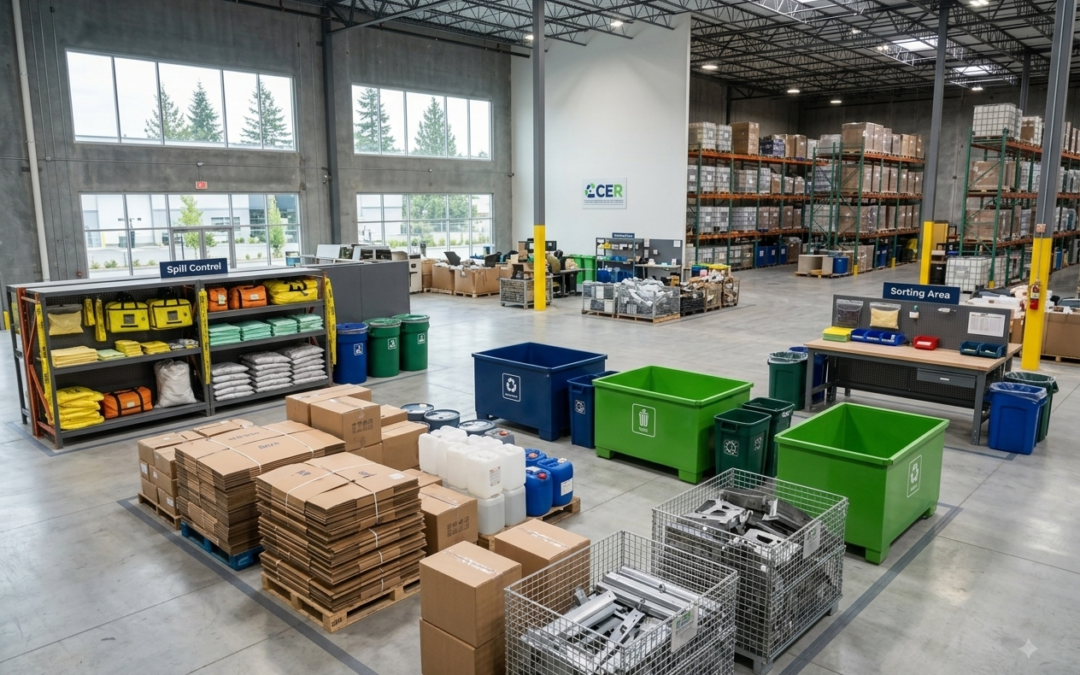
The best strategy is to establish separate areas for recalled products, recyclable materials, general waste, and any potentially hazardous materials before the cleanup begins.
Why Documentation Matters During Recall Cleanup
Businesses should maintain records throughout the process.
Useful information may include:
- Product identification numbers
- Quantity of recalled products
- Recall instructions
- Material information
- Waste categories
- Pickup records
- Recycling or disposal documentation where applicable
Documentation can help businesses maintain internal accountability and demonstrate that recalled products were handled according to their intended process.
It can also make future inventory audits and waste-management planning easier.
How to Prepare for a Commercial Product Recall Cleanup in Vancouver
A structured approach can make a major difference.
1. Identify the affected inventory
Determine exactly which products are part of the recall.
2. Isolate the products
Keep recalled products away from saleable stock.
3. Review product information
Check labels, manufacturer information, SDS documentation where applicable, and recall instructions.
4. Separate materials
Keep products, packaging, recyclables, and specialized waste streams separate.
5. Identify potentially hazardous materials
Flag chemicals, batteries, contaminated products, and other materials that may require specialized handling.
6. Estimate volumes
Knowing the approximate quantity helps with collection and logistical planning.
7. Arrange appropriate waste management
Use a qualified commercial waste-management provider when the volume or material type requires professional handling.
The Bigger Opportunity: Turning Recall Waste Into Recoverable Materials
A product recall is primarily a business and product-quality issue, but it can quickly become a waste-management challenge.
The most effective cleanup strategy is not necessarily to remove everything as quickly as possible. It is to understand what the inventory contains before deciding how it should be managed.
By separating recyclable materials from general waste and identifying products that require specialized handling, businesses can reduce unnecessary landfill disposal and create a more organized cleanup process.
For Vancouver businesses, this approach is especially valuable during large recalls, warehouse consolidations, inventory write-offs, and commercial cleanouts.
A product recall does not automatically turn every affected item into ordinary garbage. Some products may be returned, repaired, dismantled, recycled, or otherwise recovered, while others may require specialized waste management.
The key is proper identification and segregation.
Businesses should isolate recalled inventory, review product information, separate packaging and recyclable materials, identify potentially hazardous components, and avoid mixing different waste streams without understanding their requirements.
Whether you are dealing with a small commercial recall or a warehouse containing thousands of affected products, Canadian Empire Recycling & Disposal can help businesses plan an organized approach to damaged inventory, recyclable materials, and specialized waste streams. Contact Canadian Empire Recycling & Disposal to discuss your Vancouver commercial cleanup and recycling requirements and determine the appropriate next step for your unwanted inventory.
Frequently Asked Questions
Should recalled products be placed in regular commercial garbage?
Businesses should not automatically place recalled products into general garbage. The products should first be assessed to determine whether they can be returned, reused, recycled, recovered, or require specialized waste management.
What should a Vancouver business do with damaged products from a product recall?
The business should isolate the recalled inventory, identify the products and quantities involved, review manufacturer or recall instructions, separate recyclable materials, and identify any chemical, battery, electronic, or contaminated components before arranging appropriate waste management.
Does product recall waste qualify as hazardous waste?
Not automatically. The classification depends on the characteristics and contents of the specific products. Some recalled products may contain hazardous chemicals or other materials requiring specialized management, while others may be suitable for conventional recycling or commercial waste streams.
How can businesses manage large volumes of recalled inventory?
Large recalls should be planned as a structured commercial cleanup. Businesses can separate recalled products from packaging and recyclable materials, identify specialized waste streams, estimate volumes, maintain records, and arrange professional recycling or waste-management services appropriate for the materials involved.