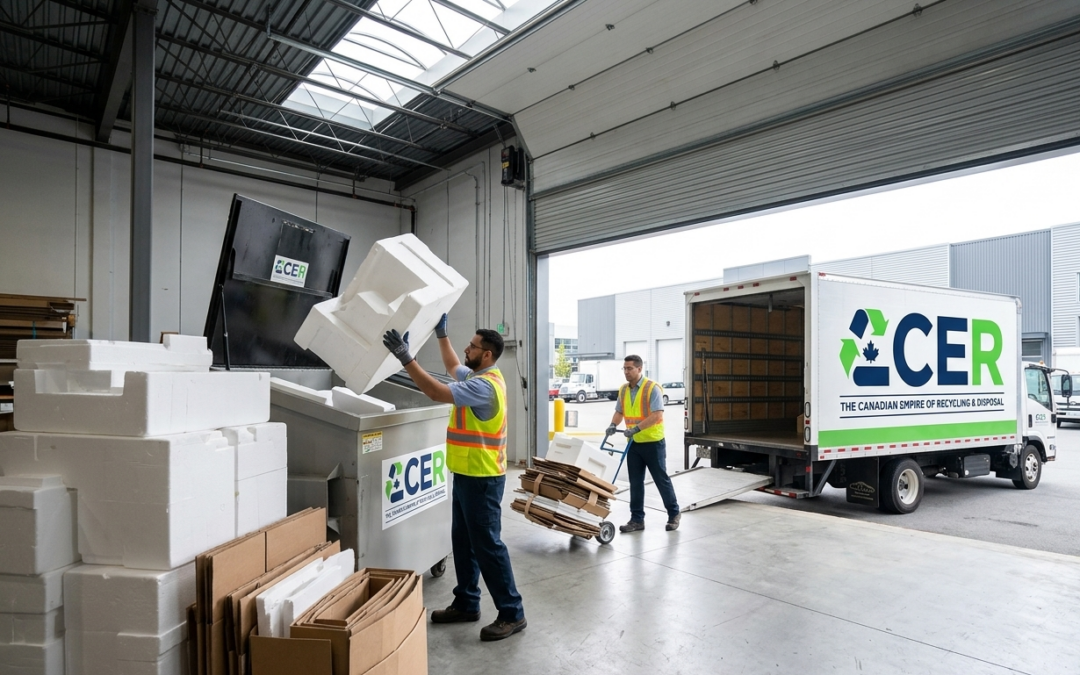
In 2026, businesses in Vancouver are under increasing pressure to adopt sustainable practices and reduce their environmental footprint. One of the biggest challenges many companies face is managing Styrofoam waste. Commonly used for packaging and insulation, Styrofoam (expanded polystyrene) is lightweight yet bulky, making it difficult to dispose of efficiently.
As environmental awareness grows and regulations tighten, companies are looking for smarter ways to handle this material. This blog explores how businesses are tackling Styrofoam waste, improving efficiency, and staying compliant in today’s evolving waste management landscape.
Why Styrofoam Waste Is a Growing Concern
Styrofoam is widely used across industries such as retail, electronics, construction, and food services. While it offers excellent insulation and protection, it is notoriously difficult to recycle and often ends up in landfills.
The material does not break down easily, which contributes to long-term environmental pollution. Its lightweight nature also makes it prone to scattering, leading to litter in streets, waterways, and natural habitats. These challenges have pushed businesses to rethink how they manage Styrofoam waste.
The Shift Toward Smarter Waste Management
Modern businesses are no longer treating waste disposal as an afterthought. Instead, it has become a strategic priority. Companies are investing in better waste management systems, training staff, and partnering with professional services to handle complex materials like Styrofoam.
Using expert Commercial Styrofoam Disposal Vancouver helps businesses ensure proper handling, recycling, and disposal. These services are equipped with the tools and expertise needed to efficiently manage large volumes of foam waste.
How Businesses Are Reducing Styrofoam Waste
1. Switching to Sustainable Packaging
Many companies are moving toward biodegradable or recyclable alternatives to Styrofoam. Materials like molded pulp, cardboard, and reusable packaging are gaining popularity.
2. Optimizing Packaging Design
Reducing the amount of packaging used per product can significantly cut down waste. Businesses are redesigning packaging to use less material without compromising protection.
3. Partnering with Recycling Experts
Professional waste management providers offer specialized solutions for Styrofoam recycling. They ensure that waste is processed correctly and diverted from landfills whenever possible.
4. Employee Awareness and Training
Educating employees about proper waste segregation and disposal practices helps maintain consistency and efficiency in waste management efforts.
Benefits of Proper Styrofoam Disposal
Environmental Protection
Responsible disposal reduces pollution and helps protect ecosystems from long-term damage.
Cost Savings
Efficient waste management can lower disposal costs and reduce the need for frequent pickups.
Regulatory Compliance
Adhering to local regulations helps businesses avoid fines and maintain a positive reputation.
Improved Brand Image
Customers are more likely to support businesses that demonstrate environmental responsibility.
The Role of Professional Waste Removal Services
Handling Styrofoam waste internally can be challenging, especially for businesses generating large volumes. Professional Commercial Waste Removal Vancouver provides a reliable solution by managing collection, transportation, and disposal.
These services streamline operations and ensure that waste is handled in accordance with environmental standards. By outsourcing waste management, businesses can focus on their core operations while maintaining compliance.
Innovations in Styrofoam Recycling
Advancements in recycling technology are making it easier to process Styrofoam. Modern facilities can compact foam into dense blocks, making transportation more efficient and cost-effective.
Some recycling methods convert Styrofoam into reusable raw materials, which can be used to manufacture new products. These innovations are helping businesses turn waste into valuable resources.
Industries Leading the Change
Several industries in Vancouver are setting an example by adopting better waste management practices:
- Retail and E-commerce: Reducing packaging waste and using recyclable materials
- Construction: Recycling insulation materials and minimizing site waste
- Food Services: Transitioning to eco-friendly packaging alternatives
- Manufacturing: Implementing waste reduction strategies in production processes
These industries are proving that sustainable practices can be both practical and profitable.
Tips for Businesses to Improve Waste Management
If your business is looking to improve Styrofoam disposal, consider these steps:
- Conduct a waste audit to identify areas for improvement
- Work with experienced waste management providers
- Invest in recycling and compaction equipment if needed
- Set clear sustainability goals and track progress
- Stay updated on local regulations and industry trends
Small changes can lead to significant improvements over time.
The Future of Styrofoam Disposal in Vancouver
As sustainability continues to shape business practices, the demand for efficient Styrofoam disposal solutions will only grow. Companies that adopt proactive strategies today will be better positioned to meet future regulations and customer expectations.
Innovation, collaboration, and commitment to environmental responsibility will drive the future of waste management in Vancouver.
Styrofoam waste may be a challenge, but it also presents an opportunity for businesses to improve efficiency, reduce costs, and contribute to a cleaner environment. By embracing modern waste management practices and working with professionals, companies can turn a persistent problem into a sustainable solution.
For businesses seeking reliable and eco-friendly disposal services, Canadian Empire Recycling & Disposal offers expert solutions tailored to your needs. Their team is committed to helping Vancouver businesses manage Styrofoam waste responsibly and efficiently. Contact Canadian Empire Recycling & Disposal today to streamline your waste management process and support a greener future.
FAQs (Frequently Asked Questions)
Why is Styrofoam difficult to dispose of?
Its lightweight and bulky nature make transportation and recycling challenging, which is why professional services are often required.
How can businesses reduce Styrofoam waste?
Switching to alternative packaging, optimizing design, and partnering with recycling services are effective strategies.
Are there regulations for Styrofoam disposal in Vancouver?
Yes, businesses must follow local waste management guidelines to ensure proper disposal and avoid penalties.
Why should I hire a professional disposal service?
Professional services ensure safe handling, compliance with regulations, and environmentally responsible recycling practices.