Running an auto repair shop involves more than fixing vehicles. Every day, automotive businesses generate waste materials that can harm people and the environment if they are not handled correctly. Used motor oil, antifreeze, solvents, brake fluid, contaminated rags, and vehicle batteries all require proper management to meet environmental regulations.
Understanding Hazardous Waste Disposal requirements helps auto shops operate safely, stay compliant, and reduce environmental impact. Whether you own a small repair garage or a large automotive service centre, having a responsible waste disposal plan is essential.
What Hazardous Waste Do Auto Shops Produce?
Auto repair shops work with a wide range of materials that cannot be thrown into regular garbage bins. Many of these products contain chemicals that are flammable, corrosive, or toxic.
Common hazardous waste generated by automotive businesses includes:
- Used motor oil
- Oil filters
- Antifreeze and coolant
- Brake fluid
- Transmission fluid
- Paints and thinners
- Degreasers and solvents
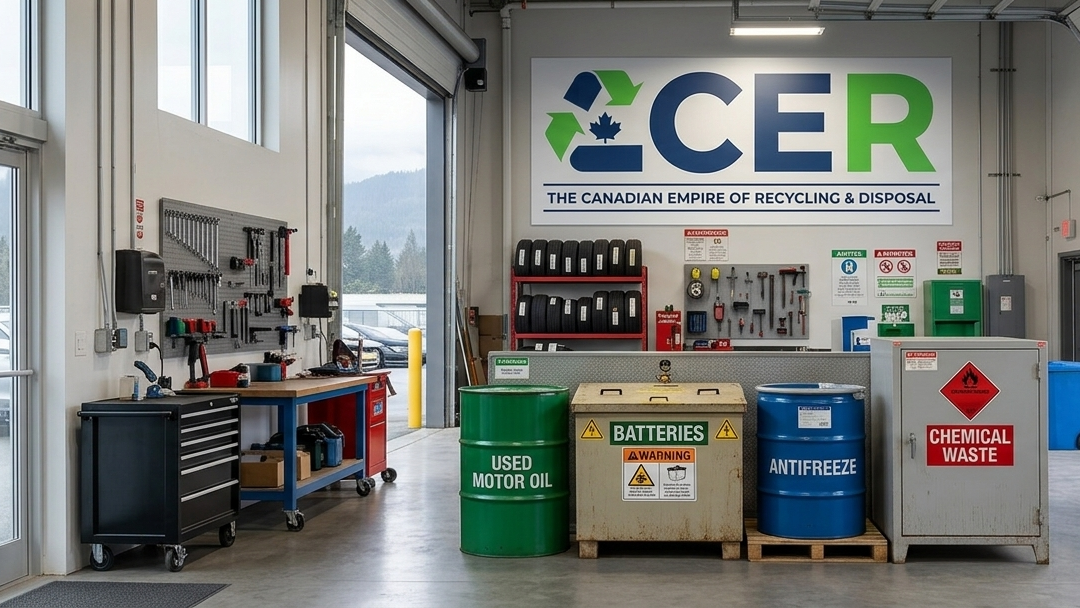
- Automotive batteries
- Fuel-contaminated materials
- Aerosol cans
- Oily rags and absorbents
Each of these materials requires careful handling to prevent leaks, fires, and environmental contamination.
Why Proper Disposal Matters
Improper disposal of automotive waste can contaminate soil, groundwater, and stormwater systems. Even small amounts of used oil or chemicals may cause long-term environmental damage.
Professional Hazardous Waste Disposal Vancouver services help businesses:
- Meet provincial environmental regulations
- Protect employees and customers
- Reduce pollution risks
- Prevent costly fines
- Improve workplace safety
- Support sustainable recycling practices
Responsible waste management is not only a legal responsibility but also an important part of operating an environmentally conscious business.
Used Oil Requires Special Handling
Motor oil is one of the most common hazardous wastes generated by auto repair shops. Once used, it becomes contaminated with heavy metals, dirt, and combustion by-products, making it unsafe for regular disposal.
Professional Used Oil Disposal Vancouver services ensure waste oil is collected, transported, and processed safely. In many cases, used oil can be refined and reused, helping conserve valuable natural resources.
Businesses should always store used oil in sealed, clearly labelled containers and keep them away from drains and stormwater systems.
Automotive Batteries Should Never Go to Landfills
Vehicle batteries contain lead and corrosive acid that can seriously damage the environment if disposed of improperly.
Through certified Battery Recycling Vancouver programs, valuable materials such as lead and plastic can be recovered while preventing hazardous substances from entering landfills.
Damaged or leaking batteries should be stored in secure containers until collected by qualified recycling professionals.
Safe Disposal of Automotive Chemicals
Auto shops regularly use cleaning agents, degreasers, paints, and various industrial chemicals. Mixing different chemicals or disposing of them incorrectly increases safety risks and may create hazardous reactions.
Professional Chemical Waste Disposal Vancouver helps businesses manage these materials safely while ensuring they are handled according to environmental standards.
Always keep chemicals in their original containers whenever possible and ensure every container is properly labelled for safe storage and collection.
Best Practices for Auto Repair Shops
A simple waste management system can significantly improve workplace safety and compliance.
Consider these best practices:
- Separate hazardous waste from general waste.
- Label every storage container clearly.
- Store liquids in leak-proof containers.
- Inspect storage areas regularly.
- Train employees on safe handling procedures.
- Schedule routine waste collection before storage areas become full.
- Maintain records of hazardous waste collection.
These practices help reduce accidents while making waste collection more efficient.
Common Mistakes to Avoid
Many businesses unintentionally create environmental risks by making simple disposal mistakes.
Avoid:
- Pouring used oil into drains.
- Mixing different hazardous chemicals.
- Throwing batteries into general waste bins.
- Leaving leaking containers uncovered.
- Storing hazardous materials outdoors without protection.
- Disposing of automotive chemicals with household waste.
Preventing these mistakes protects both your business and the surrounding community.
Follow BC Environmental Requirements
British Columbia has strict regulations governing the storage, transportation, and disposal of hazardous waste. Auto repair businesses should ensure their waste management practices meet all applicable provincial requirements.
For official guidance on hazardous waste management, visit the BC Ministry of Environment and Parks:
Following official guidance helps businesses stay compliant while reducing environmental risks.
Partner with Experienced Waste Management Professionals
Managing hazardous automotive waste requires experience, proper equipment, and a commitment to environmental responsibility. Working with a trusted waste management provider helps ensure oils, chemicals, batteries, and other hazardous materials are collected and processed safely.
If your auto repair shop is looking for dependable waste management solutions, contact Canadian Empire Recycling & Disposal, which provides professional services designed to help businesses manage hazardous materials responsibly while maintaining compliance with BC environmental regulations.
Frequently Asked Questions
Can used motor oil be recycled?
Yes. Used motor oil can often be collected, processed, and refined for future use through approved recycling programs.
Why are automotive batteries considered hazardous?
Vehicle batteries contain lead and corrosive acid that require safe handling and recycling to prevent environmental contamination.
Can auto shops throw chemicals into regular garbage?
No. Automotive chemicals must be handled through approved hazardous waste disposal services.
Why should auto shops use professional hazardous waste disposal services?
Professional services help businesses comply with environmental regulations, improve workplace safety, and ensure hazardous materials are managed responsibly.