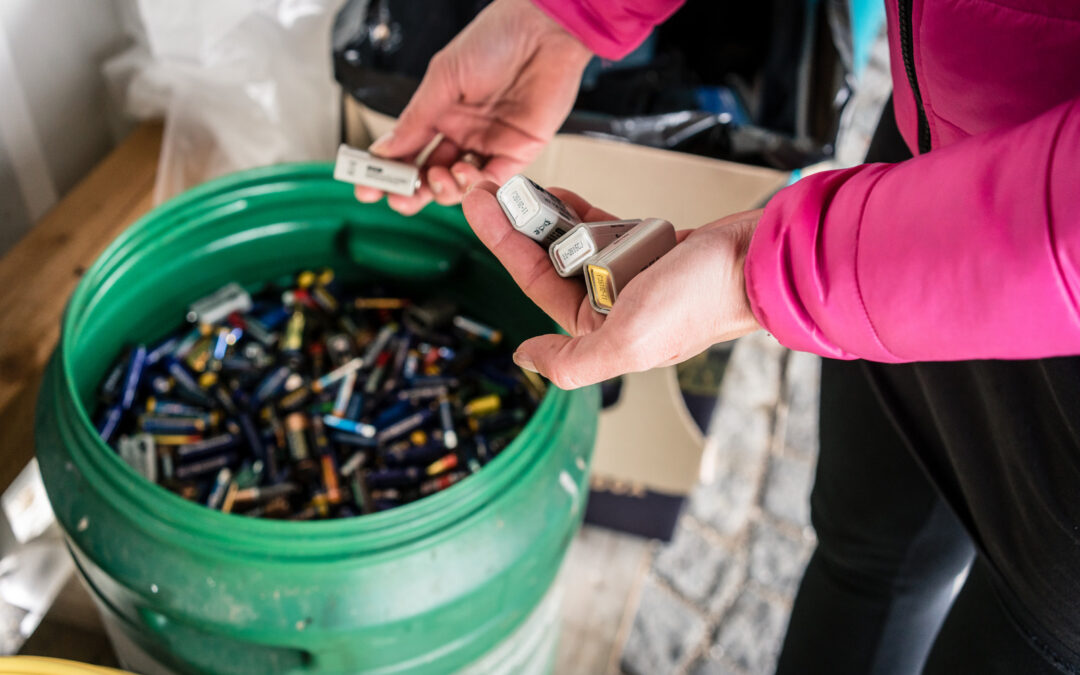
Batteries power countless devices used every day in homes, offices, warehouses, construction sites, and industrial facilities. From household AA batteries to rechargeable lithium-ion packs and automotive batteries, proper disposal is essential for protecting the environment and public safety.
Unfortunately, many batteries still end up in regular garbage bins where they can leak hazardous chemicals, contaminate soil and water, and even create fire risks. As environmental awareness grows across British Columbia, more residents and businesses are seeking safer recycling solutions for used batteries.
Understanding proper battery disposal methods can help Vancouver residents reduce environmental harm while ensuring hazardous materials are processed responsibly.
Why Battery Disposal Matters
Batteries contain chemicals and heavy metals that can become dangerous when improperly discarded. Depending on the battery type, materials may include:
- Lithium
- Lead
- Cadmium
- Mercury
- Nickel
- Acid-based compounds
When batteries are thrown into standard trash bins, they can break open inside landfills or waste collection vehicles. Certain batteries may also spark fires if damaged or crushed.
Safe disposal helps prevent:
- Soil contamination
- Water pollution
- Air pollution
- Waste facility fires
- Toxic chemical leaks
Professional recycling programs safely recover reusable materials while reducing environmental risks.
Businesses and homeowners often use specialized Hazardous Waste Disposal Vancouver services for safe battery recycling and disposal support.
Common Types of Batteries That Require Recycling
Many people are unaware that nearly all batteries should be recycled rather than placed in regular garbage.
Household Batteries
These include:
- AA batteries
- AAA batteries
- C and D batteries
- 9-volt batteries
- Rechargeable batteries
Household batteries are commonly used in remotes, toys, flashlights, and electronic devices.
Lithium-Ion Batteries
Lithium-ion batteries are found in:
- Smartphones
- Laptops
- Tablets
- Power tools
- E-bikes
- Electric scooters
These batteries can become dangerous if punctured, overheated, or improperly stored.
Automotive Batteries
Vehicle batteries contain lead and sulfuric acid that require specialized handling.
Common examples include:
- Car batteries
- Truck batteries
- Marine batteries
- Motorcycle batteries
These batteries are highly recyclable but should only be processed through approved recycling facilities.
Industrial Batteries
Large commercial and industrial batteries are commonly used in:
- Warehouses
- Backup power systems
- Forklifts
- Solar systems
- Telecommunications equipment
Professional handling is essential for safe transportation and recycling.
Businesses often combine battery disposal with Commercial Waste Disposal Vancouver services to manage hazardous commercial waste responsibly.
Why Batteries Should Never Go into Regular Garbage
Throwing batteries into garbage bins creates several environmental and safety concerns.
Fire Hazards
Damaged lithium batteries can ignite when compressed during waste collection or processing. Waste facility fires linked to battery disposal have increased significantly in recent years.
Toxic Chemical Leaks
Improper disposal allows harmful chemicals to leak into landfills and the surrounding environments.
Environmental Damage
Heavy metals from batteries may contaminate soil and groundwater if not processed correctly.
The Government of British Columbia recycling guidelines encourage responsible recycling practices for hazardous materials, including batteries.
Safe Battery Storage Before Recycling
Proper storage helps reduce safety risks before batteries are transported to recycling facilities.
Storage Tips
- Keep batteries in cool, dry areas
- Avoid direct sunlight or heat exposure
- Store damaged batteries separately
- Tape battery terminals when necessary
- Avoid mixing battery types
Lithium-ion batteries with damaged casings should be handled carefully because they may overheat or spark.
How Battery Recycling Works
Battery recycling facilities use specialized processes to safely separate and recover valuable materials.
The recycling process may include:
- Collection and sorting
- Safe discharge procedures
- Material separation
- Metal recovery
- Hazardous material treatment
Recovered materials can often be reused in new batteries and industrial manufacturing processes.
Recycling helps conserve natural resources while reducing demand for new raw material extraction.
Battery Disposal for Businesses
Commercial facilities often generate larger battery waste volumes than residential households.
Businesses may need recycling solutions for:
- Warehouse equipment
- Backup power systems
- Electronics
- Construction tools
- Fleet vehicles
Professional waste management providers help businesses establish safe collection and disposal systems for hazardous materials.
Companies frequently combine battery recycling with electronics disposal Vancouver to manage electronic waste more efficiently.
Construction and Industrial Battery Waste
Construction sites and industrial operations often rely heavily on battery-powered equipment.
Examples include:
- Cordless tools
- Backup generators
- Emergency systems
- Heavy machinery batteries
Dedicated recycling programs help maintain safer worksites while preventing hazardous waste accumulation.
Environmental Benefits of Battery Recycling
Battery recycling offers several environmental advantages.
Reduced Landfill Waste
Recycling prevents batteries from entering landfill systems, where chemicals may leak into the environment.
Material Recovery
Valuable materials like lithium, lead, nickel, and cobalt can be recovered and reused.
Lower Environmental Impact
Recycling reduces the need for mining and raw material extraction.
Improved Public Safety
Proper disposal reduces the risk of fires during waste collection and processing.
Choosing a Professional Recycling Provider
Battery recycling requires specialized handling and transportation procedures.
Professional disposal companies provide:
- Safe collection methods
- Hazardous waste handling
- Environmentally responsible processing
- Commercial waste management support
- Regulatory compliance assistance
Canadian Empire Recycling & Disposal helps businesses and residents safely manage hazardous materials through responsible recycling solutions tailored to Vancouver’s waste disposal needs.
Tips for Safe Battery Disposal at Home
Homeowners can improve the safety of battery disposal by following a few simple practices.
Helpful Tips
- Never burn batteries
- Do not place batteries in blue bins
- Avoid storing damaged batteries indoors long-term
- Recycle batteries regularly
- Keep batteries away from children and pets
Small safety precautions can significantly reduce environmental and fire risks.
Proper battery disposal Vancouver is essential for protecting Vancouver’s environment, reducing hazardous waste risks, and improving public safety. Whether disposing of household batteries, lithium-ion devices, automotive batteries, or commercial battery systems, responsible recycling helps recover valuable materials while preventing dangerous contamination.
Businesses and homeowners should always use approved recycling services rather than placing batteries in regular garbage bins.
For safe battery recycling, hazardous waste management, and environmentally responsible disposal solutions, contact Canadian Empire Recycling & Disposal for professional recycling support across Vancouver.
Frequently Asked Questions(FAQs)
Can lithium-ion batteries catch fire?
Yes. Damaged or improperly handled lithium-ion batteries can overheat and ignite during storage or waste processing.
Are car batteries recyclable?
Yes. Automotive batteries are highly recyclable and should always be processed through approved recycling facilities.
Can batteries go into household recycling bins?
No. Batteries should never be placed in regular garbage or blue recycling bins unless specifically accepted by local recycling programs.
Why should businesses use professional battery recycling services?
Professional services ensure safe handling, compliance with environmental regulations, proper management of hazardous waste, and proper recycling of commercial battery waste.