Managing hazardous waste is a serious responsibility for businesses. Whether you operate a construction company, manufacturing facility, automotive shop, medical office, or retail store, proper hazardous waste disposal is essential for environmental protection, regulatory compliance, and workplace safety.
What Is Considered Hazardous Waste?
Hazardous waste includes materials that are flammable, toxic, corrosive, or reactive. Common examples generated by businesses include:
- Paints and solvents
- Chemicals and cleaning agents
- Oils and lubricants
- Batteries
- Fluorescent bulbs
- Electronic waste
- Asbestos-containing materials
- Contaminated construction debris
These materials cannot be placed in regular garbage bins or mixed with general waste.
Why Proper Disposal Matters
Improper disposal of hazardous waste can lead to:
- Environmental contamination
- Soil and groundwater pollution
- Worker injuries
- Heavy fines and penalties
- Legal liability
Businesses in Vancouver must follow provincial and municipal regulations to ensure hazardous materials are transported and processed at approved facilities.
Approved Hazardous Waste Facilities
Businesses typically dispose of hazardous waste through:
1. Licensed Hazardous Waste Transfer Stations
These facilities are equipped to handle toxic materials safely. They ensure waste is sorted, documented, and transported to approved processing or treatment centers.
2. Specialized Recycling Centers
Some facilities focus on particular materials such as electronics, batteries, oils, or fluorescent tubes.
3. Professional Waste Management Companies
Many businesses rely on licensed providers that offer pickup, transportation, and documentation services.
For companies generating multiple waste streams, professional Commercial Waste Disposal Vancouver simplifies compliance and reduces administrative burden.
Regulatory Requirements in British Columbia
Businesses in Vancouver must:
- Properly classify hazardous waste
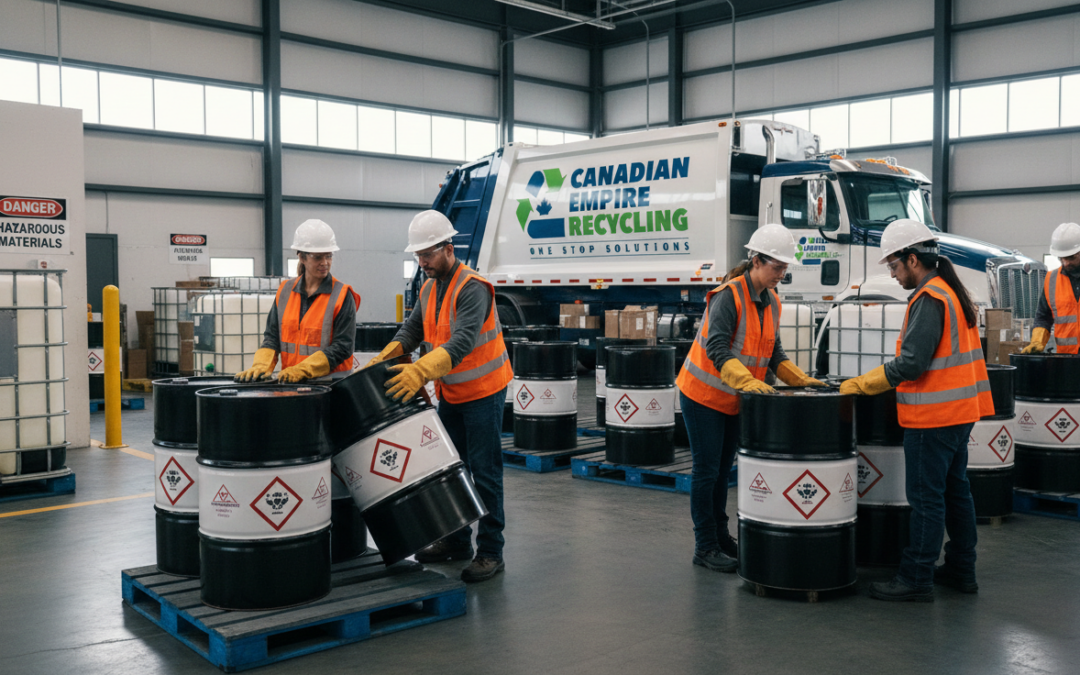
- Store materials in approved containers
- Label waste clearly
- Maintain documentation and manifests
- Use licensed transporters
Failure to comply with these rules can result in inspections, fines, or operational disruptions.
Keeping clear records of waste generation and disposal protects your business during audits.
Industries That Commonly Generate Hazardous Waste
Several sectors frequently require professional hazardous waste management:
- Construction and demolition
- Automotive repair shops
- Manufacturing facilities
- Laboratories and healthcare clinics
- Property management companies
- Cleaning and maintenance services
Each industry may generate unique materials requiring specialized handling.
On-Site Storage Guidelines
Before disposal, businesses must store hazardous materials safely:
- Use leak-proof, sealed containers
- Keep materials away from heat sources
- Separate incompatible chemicals
- Clearly label contents
- Restrict access to authorized personnel
Improper storage increases risks of spills, fires, or regulatory violations.
Environmental Responsibility and Corporate Image
Sustainable waste practices are increasingly important to customers, investors, and regulators. Choosing responsible solutions for Hazardous Waste Disposal Vancouver demonstrates environmental commitment and strengthens your company’s reputation.
Proper waste management:
- Reduces environmental footprint
- Prevents contamination
- Supports recycling initiatives
- Aligns with ESG goals
- Improves workplace safety
Businesses that prioritize environmental responsibility often gain a competitive advantage.
When to Hire a Professional Waste Disposal Service
Handling hazardous waste internally can be complex and risky. Professional waste management companies offer:
- Scheduled pickup services
- Emergency response
- Proper packaging and labeling
- Compliance documentation
- Safe transportation
- Regulatory guidance
For businesses with large volumes or multiple waste types, outsourcing disposal ensures efficiency and peace of mind.
Steps for Safe Hazardous Waste Disposal
To dispose of hazardous waste properly:
- Identify and classify the waste.
- Store materials securely.
- Label containers correctly.
- Contact a licensed hazardous waste disposal provider.
- Maintain proper documentation and manifests.
Following these steps protects your business and the environment.
Choosing the Right Waste Partner
When selecting a hazardous waste provider, look for:
- Proper licensing and certifications
- Experience handling commercial waste
- Clear documentation processes
- Transparent pricing
- Strong environmental practices
Working with an experienced company reduces risks and simplifies compliance.
Reliable Hazardous Waste Solutions
If your business needs safe and compliant hazardous waste disposal services, working with a trusted provider is essential. Contact Canadian Empire Recycling for professional waste management solutions tailored to commercial and industrial clients. Their team helps businesses handle hazardous materials responsibly while ensuring full regulatory compliance.
From routine pickups to specialized disposal services, partnering with experienced professionals allows you to focus on running your business while ensuring environmental safety.
Frequently Asked Questions (FAQs)
Do businesses need documentation for hazardous waste disposal?
Yes. Proper manifests and records are required to comply with regulations in British Columbia.
How often should hazardous waste be removed?
Removal frequency depends on the volume generated and storage capacity. Many businesses schedule regular pickups.
Are electronic devices considered hazardous waste?
Certain electronic items contain hazardous components and must be recycled through approved programs.
What happens if a business disposes of hazardous waste improperly?
Improper disposal can result in fines, environmental damage, and legal liability. Always use licensed disposal services.