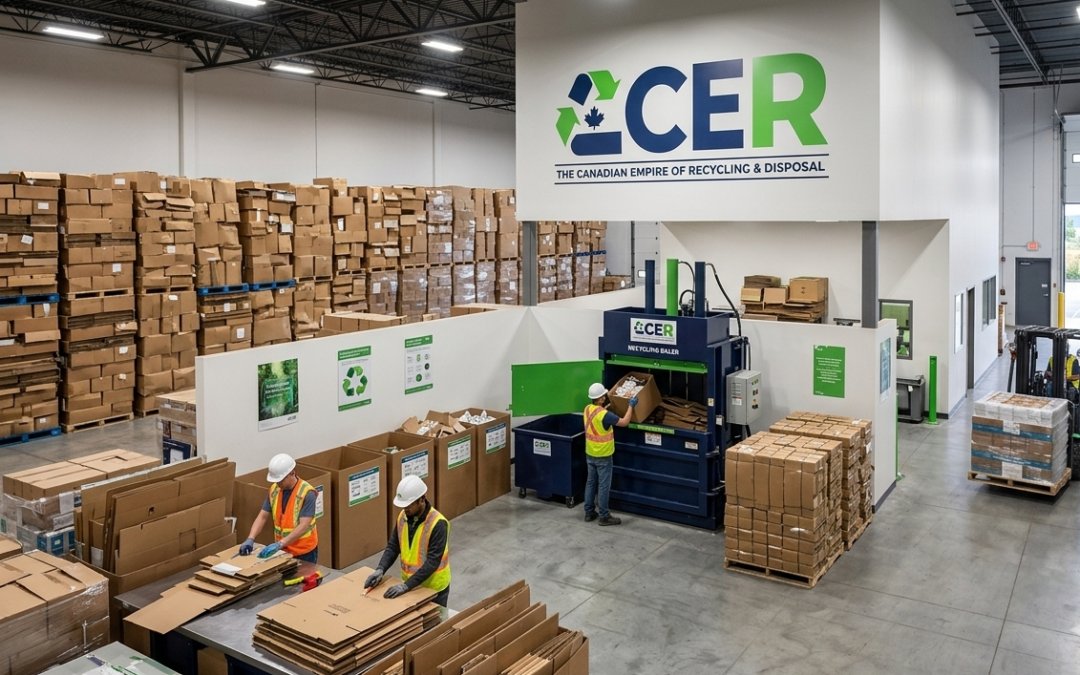
Warehouses in Richmond handle massive amounts of incoming and outgoing shipments every day. From shipping cartons and packaging materials to product boxes and storage containers, cardboard waste accumulates quickly in busy warehouse environments. Without a dedicated recycling strategy, large amounts of recyclable cardboard can end up in landfills, creating unnecessary waste management costs and environmental concerns.
As Richmond continues to grow as a major logistics and distribution hub, more businesses are recognizing the importance of structured cardboard recycling programs. Dedicated recycling systems improve operational efficiency, reduce disposal expenses, and support sustainability goals across warehouse operations.
According to Canadian Empire Recycling, cardboard recycling services, commercial cardboard recycling programs help businesses reduce landfill waste while supporting responsible resource recovery.
Warehouses Generate Large Volumes of Cardboard Waste
Modern warehouses process thousands of shipments every week. Products arrive packed in corrugated cardboard boxes, paperboard cartons, protective inserts, and packaging materials. As inventory moves through the supply chain, cardboard waste builds up rapidly.
Common warehouse cardboard waste includes:
- Shipping boxes
- Product packaging
- Corrugated cardboard
- Paperboard cartons
- Pallet dividers
- Packaging inserts
- Storage containers
Without organized recycling systems, cardboard can pile up quickly and create cluttered work environments.
Many Richmond businesses now implement dedicated cardboard recycling programs to streamline waste handling and improve warehouse organization.
Cardboard Recycling Reduces Landfill Waste
Cardboard is one of the most recyclable types of commercial waste Richmond. Instead of sending used cardboard to landfills, recycling programs allow businesses to convert waste into reusable raw materials.
Recycled cardboard is commonly used to manufacture:
- New cardboard boxes
- Paper packaging
- Fiberboard products
- Paper bags
- Shipping materials
Canadian Empire Recycling notes that recycled cardboard can be repurposed into multiple new products, helping reduce pressure on landfill systems.
Warehouses that recycle cardboard contribute directly to environmental sustainability while supporting circular economy practices.
Cleaner Warehouses Improve Efficiency
Cardboard waste can quickly create congestion in warehouse environments. Loose boxes and packaging materials often block walkways, loading zones, and storage areas if not handled properly.
Dedicated recycling programs help warehouses:
- Maintain cleaner floors
- Improve worker safety
- Increase storage efficiency
- Reduce fire hazards
- Organize shipping operations
Efficient waste management also creates a more professional environment for employees, vendors, and logistics partners.
Businesses looking to improve warehouse cleanup operations often combine cardboard recycling with Bin Rental Services Richmond for streamlined waste collection.
Recycling Programs Support Sustainability Goals
Many businesses today are expected to meet environmental sustainability targets. Warehouses that recycle cardboard demonstrate a commitment to responsible waste management and environmental stewardship.
Benefits include:
- Reduced landfill contributions
- Lower environmental impact
- Improved ESG initiatives
- Stronger brand reputation
- Better compliance with sustainability policies
Customers and business partners increasingly prefer companies that actively support eco-friendly operations.
Richmond’s Growing Logistics Industry Needs Better Waste Solutions
Richmond is one of British Columbia’s busiest transportation and logistics centers. Warehouses throughout the region handle large shipping volumes connected to retail, manufacturing, food distribution, and e-commerce industries.
As warehouse operations grow, waste management challenges also increase.
Dedicated cardboard recycling programs help warehouses manage high waste volumes more efficiently while supporting local environmental initiatives.
Dedicated Pickups Keep Operations Organized
One of the biggest advantages of structured recycling programs is scheduled pickup service.
Warehouses benefit from:
- Routine cardboard collection
- Reduced clutter buildup
- Faster loading dock operations
- Improved space management
- Consistent recycling processes
According to Canadian Empire Recycling, flexible recycling programs can be customized for both small businesses and large industrial facilities.
This flexibility is especially valuable for warehouses with fluctuating shipping volumes.
Recycling Helps Lower Disposal Costs
General waste disposal costs can rise quickly when recyclable cardboard is mixed with regular garbage.
Separating cardboard allows businesses to:
- Reduce landfill disposal fees
- Improve waste sorting efficiency
- Lower garbage pickup frequency
- Optimize waste management budgets
Some recycling programs may also provide rebate opportunities depending on cardboard volume and material quality.
For high-volume warehouse operations, these savings can become significant over time.
Employee Participation Is Easier with Structured Programs
Dedicated recycling systems simplify participation for warehouse staff.
Successful recycling programs usually include:
- Clearly labeled recycling bins
- Designated cardboard collection zones
- Employee training
- Scheduled pickups
- Flattening and sorting procedures
When recycling systems are simple and organized, employees are more likely to participate consistently.
Warehouses Must Handle More Than Cardboard
In addition to cardboard waste, many warehouses also generate:
- Plastic packaging
- Damaged inventory
- Wood pallets
- Styrofoam
- Metal waste
- Expired products
Businesses often combine cardboard recycling with other commercial recycling services for more comprehensive waste management.
Canadian Empire Recycling also offers solutions for Damage Product Recycling Richmond to help businesses responsibly manage damaged goods and packaging waste.
Recycling Programs Support Workplace Safety
Large quantities of cardboard can create workplace hazards if not properly managed.
Risks include:
- Blocked emergency exits
- Fire hazards
- Tripping hazards
- Unsafe loading areas
- Reduced forklift mobility
Dedicated recycling systems help warehouses maintain safer and more organized work environments.
Why Professional Recycling Services Matter
Managing commercial cardboard waste internally can become difficult for high-volume warehouse operations.
Professional recycling providers help businesses with:
- Scheduled pickups
- Recycling bins and containers
- Waste sorting guidance
- Bulk cardboard handling
- Environmentally responsible processing
Canadian Empire Recycling provides customized cardboard recycling services Richmond businesses with dependable pickup schedules and flexible recycling programs.
Richmond warehouses generate enormous amounts of cardboard waste through daily shipping, receiving, and packaging operations. Without dedicated recycling systems, recyclable materials can quickly overwhelm workspaces and increase landfill waste unnecessarily.
Dedicated cardboard recycling programs help warehouses improve efficiency, reduce disposal costs, maintain cleaner facilities, and support long-term sustainability goals.
For professional commercial cardboard recycling solutions, scheduled pickups, and warehouse waste management support, contact Canadian Empire Recycling & Disposal for reliable recycling services tailored to Richmond businesses.
Frequently Asked Questions
What types of cardboard can be recycled?
Most corrugated cardboard, paperboard cartons, shipping boxes, and packaging materials can be recycled.
How do dedicated recycling programs help warehouses?
They improve waste organization, reduce clutter, support safety, and streamline waste removal operations.
Can cardboard recycling reduce disposal costs?
Yes. Separating recyclable cardboard from general garbage can help lower commercial waste disposal expenses.
Why work with professional recycling services?
Professional providers offer scheduled pickups, recycling containers, bulk waste handling, and environmentally responsible processing solutions.