Quick answer: Yes, some types of old rubber can be recovered, recycled or processed instead of being sent directly to landfill. The right option depends on what the rubber is, how it has been used, whether it is contaminated and what condition it is in.
For Richmond businesses, separating reusable rubber from general waste is an important first step. Materials that are contaminated with chemicals or other hazardous substances may need a different waste-management route rather than standard recycling.
Not All Rubber Waste Is the Same
Rubber is used across many industries, so a commercial cleanup can produce very different types of rubber waste.
A business might have:
- Rubber mats and flooring
- Conveyor belts
- Rubber hoses
- Seals and gaskets
- Industrial rubber offcuts
- Rubber sheets
- Automotive rubber components
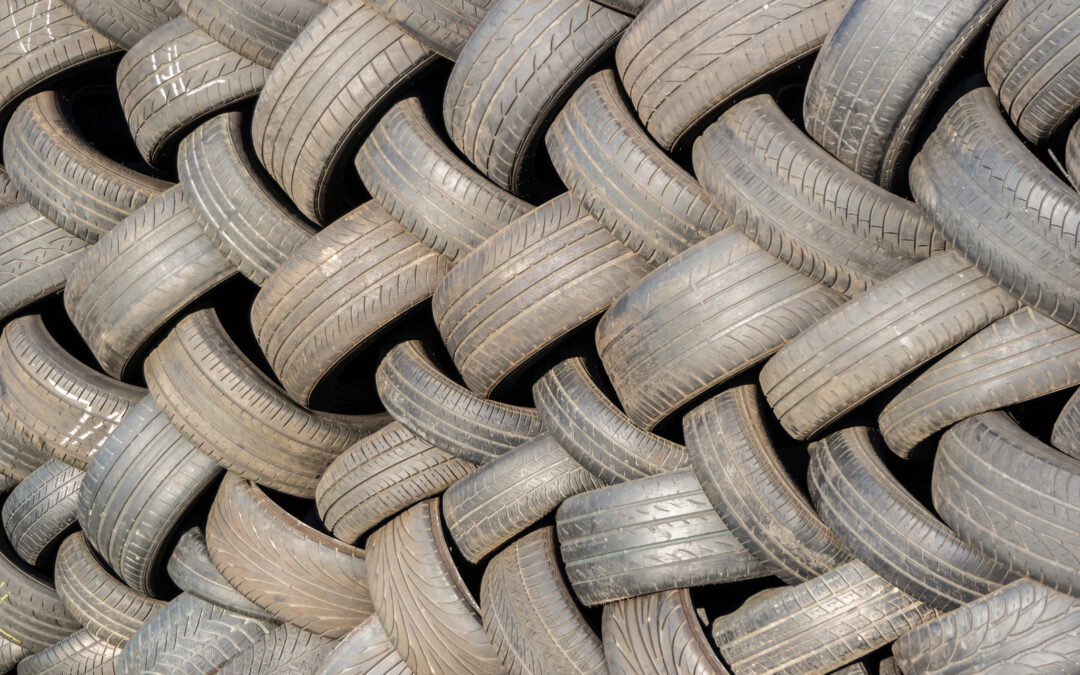
- Tires and tire-related materials
- Manufacturing scraps
- Rubber products mixed with other materials
Some items may be suitable for recycling or recovery, while others may require specialized handling.
That is why simply putting every rubber product into the same waste container isn’t always the best approach.
What Makes Rubber Suitable for Recycling?
The material itself is only part of the answer.
Before arranging recycling, businesses should consider the rubber’s condition and composition.
Clean Rubber
Clean production offcuts or unused rubber products are generally easier to separate and process than materials contaminated with oils, chemicals or other substances.
Mixed Materials
Some rubber products contain metal, fabric, plastic or other components.
These materials may need to be separated or processed through a specialized recycling route.
Contaminated Rubber
Rubber that has absorbed chemicals, oils or other hazardous substances may no longer be appropriate for a standard recycling stream.
In these situations, the contamination may determine the appropriate disposal method.
Why Businesses Should Separate Rubber Before Cleanup
When rubber is mixed into a general commercial waste load, recovering it can become more difficult.
A better approach is to identify rubber materials before a cleanup begins.
Separate:
Rubber suitable for recycling
Keep clean rubber products and manufacturing offcuts together where appropriate.
Other recyclable materials
Metal, cardboard and other recoverable materials can be managed separately.
Potentially hazardous materials
Rubber contaminated with chemicals or other hazardous waste disposal Richmond should be assessed separately.
This simple separation can make the entire waste-management process more efficient.
Where Does Commercial Rubber Waste Come From in Richmond?
Rubber waste isn’t limited to tire shops or automotive businesses.
It can accumulate in:
Manufacturing Facilities
Production processes can generate rubber offcuts, defective products, seals, belts and other materials.
Warehouses
Old inventory, damaged products and packaging components can remain in storage long after they are no longer needed.
Automotive Businesses
Tires, hoses, belts and other rubber components can accumulate during repair and maintenance work.
Construction and Renovation
Commercial projects may generate rubber flooring, membranes, insulation components and other rubber-based materials.
Property Maintenance
Businesses can also accumulate worn mats, hoses, seals and equipment components during routine maintenance.
What Happens to Recycled Rubber?
The processing route depends on the type and condition of the material.
Recovered rubber can potentially be processed into materials used for products such as:
- Rubber mats
- Flooring products
- Playground surfaces
- Industrial products
- Molded rubber components
- Other rubber-based applications
The exact end use depends on the recycling process, the material quality and the type of rubber being handled.
Recycling therefore isn’t simply about moving rubber from one location to another. The material needs to enter an appropriate processing stream.
When Rubber Waste May Need Specialized Disposal
Not every rubber product should automatically go into a recycling load.
Extra caution is needed when rubber has been exposed to:
- Chemicals
- Solvents
- Petroleum products
- Unknown substances
- Hazardous materials
- Other contaminants
For example, a rubber component used around chemicals may carry residues that change how it should be handled.
This is where
Can Old Rubber Be Recycled in Richmond? What Businesses Should Know
may become relevant. If rubber is contaminated with a hazardous substance, the business should identify the contamination and confirm the appropriate disposal route rather than assuming the material can be recycled as ordinary rubber.
Don’t Assume a Rubber Product Is Recyclable Just Because It’s Rubber
One of the biggest mistakes businesses can make is treating the word “rubber” as the complete answer.
Two rubber products can have completely different disposal requirements.
A clean rubber manufacturing offcut is different from a rubber hose saturated with an unknown chemical.
Likewise, a product made from a rubber-and-metal combination may require a different processing method from a pure rubber product.
Before arranging a pickup or drop-off, identify the material and ask what the receiving facility accepts.
How Richmond Businesses Can Improve Rubber Waste Management
A practical rubber recycling process can start with a few simple steps.
1. Identify the Material
Determine what the rubber product is and where it came from.
2. Check for Contamination
Look for oil, chemicals, residue or other substances that may affect disposal.
3. Separate Different Waste Streams
Don’t mix clean rubber with general garbage or potentially hazardous materials.
4. Estimate the Quantity
Knowing whether you have a few bags, a pallet or a full commercial load can help determine the appropriate service.
5. Confirm Acceptance
Before transportation, verify that the receiving facility accepts the specific rubber material and quantity.
6. Keep Disposal Records
For commercial cleanups, retain available receipts or other documentation showing how the waste was handled.
Recycling Can Be Part of a Larger Commercial Waste Plan
Rubber is often only one part of a business cleanup.
A warehouse clearance, renovation or facility closure may also generate cardboard, metal, electronics, chemicals, wood and other materials.
Rather than placing everything into one general waste stream, businesses can identify individual materials and determine whether they can be recycled, recovered or require specialized disposal.
This approach can help reduce unnecessary landfill waste while keeping hazardous materials out of inappropriate recycling streams.
When Should You Arrange Rubber Recycling?
Don’t wait until the storage area is completely full.
Businesses can plan rubber recycling when:
- Old inventory is being cleared
- A warehouse is being reorganized
- Equipment is being replaced
- A renovation is generating rubber materials
- Manufacturing scraps are accumulating
- A business is relocating
- A property is being prepared for new occupancy
Early planning gives you time to identify the material, separate it and confirm the appropriate recycling or disposal option.
Need Help With Rubber Waste in Richmond?
If your business has accumulated old rubber, manufacturing scraps or other commercial waste, don’t assume everything needs to go into the same disposal stream. Canadian Empire Recycling can help you determine appropriate recycling and waste-management options for eligible materials.
For rubber that may be contaminated or mixed with other potentially hazardous materials, contact Canadian Empire Recycling to discuss the appropriate disposal route before arranging transportation.
Frequently Asked Questions
What types of rubber can commonly be recycled?
Depending on the available processing route, materials such as clean rubber mats, hoses, conveyor belts, manufacturing offcuts and other rubber products may be recyclable. Acceptance varies by facility and material type.
Can contaminated rubber be recycled?
It depends on the type and level of contamination. Rubber containing chemical, oil or hazardous residues may require specialized handling rather than entering a standard recycling stream.
Is rubber considered hazardous waste?
Rubber itself is not automatically hazardous. Its classification and disposal requirements can depend on the material and whether it has been contaminated with hazardous substances.