
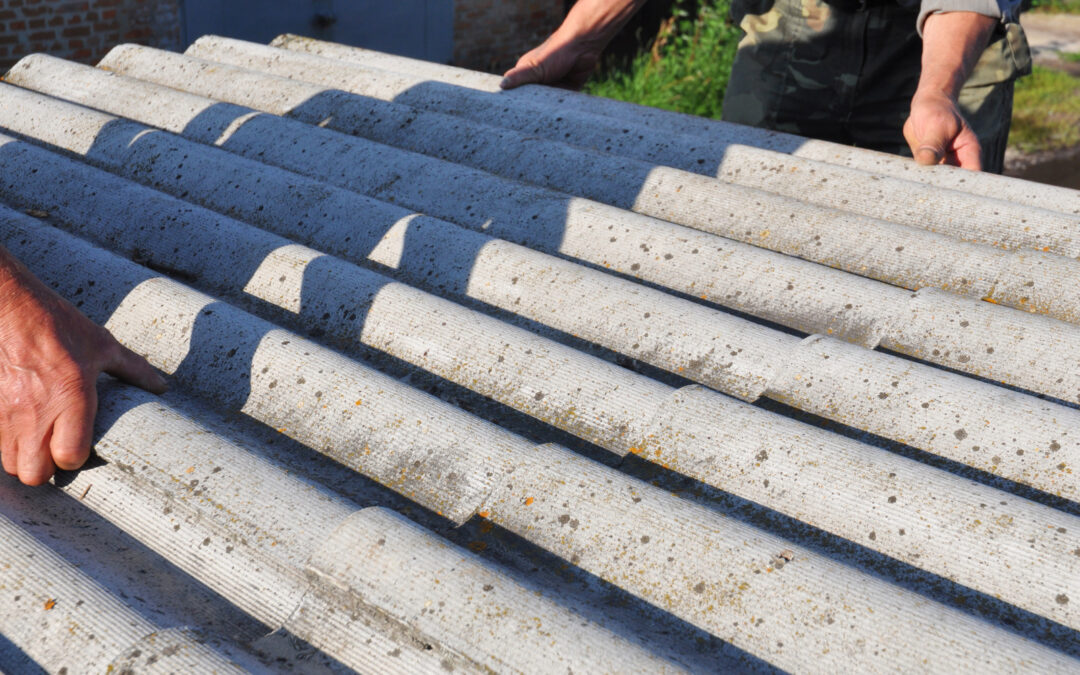
Quick answer: Removing asbestos from a Richmond property is not the end of the job. The material removed during an asbestos project still needs to be properly contained, kept separate from ordinary renovation debris, collected and sent through an appropriate disposal process. Planning the waste container and removal process before work begins can prevent asbestos waste from becoming a last-minute problem on the jobsite.
For contractors and property owners, the important question is not only how asbestos is removed, but also what happens to it once it leaves the building.
Asbestos Removal Creates a Second Jobsite Problem
Once asbestos-containing material is removed, it becomes waste that needs its own management plan.
A renovation site might already have piles of:
- Wood
- Drywall
- Flooring
- Cardboard
- Metal
- Packaging
- General demolition debris
Asbestos-containing material should not simply be added to that pile.
Keeping the waste stream separate helps workers and contractors know exactly which materials require specialized handling and disposal.
This is why waste planning should happen alongside the asbestos-removal plan rather than after demolition has started.
The Waste Bin Should Be Part of the Plan From the Beginning
One of the easiest mistakes to make is arranging the waste container only after asbestos removal has begun.
By then, material may already be accumulating.
A better approach is to determine in advance:
- What asbestos-containing materials will be removed
- How much waste the project may generate
- Where the container can be placed
- How waste will be moved from the work area
- How the material will remain contained
- When collection will be required
For a project that needs Asbestos Waste Bin Rental Richmond, these details can be discussed before the first material is removed.
The goal is simple: the crew should know where the waste is going before they start creating it.
Not All Renovation Waste Belongs in the Same Bin
A Richmond renovation can generate several waste streams at the same time.
For example, a contractor might remove asbestos-containing flooring from one area while also producing clean wood, metal and cardboard elsewhere on the property.
Putting everything into one container makes the waste harder to identify and manage.
A dedicated waste stream for asbestos-related material keeps the project more organized and reduces the chance of ordinary construction debris being mixed with specialized waste.
It also makes it easier to coordinate collection once the removal work is complete.
What Happens When the Bin Starts Filling Up?
Waste management becomes more complicated when a project is larger than originally expected.
An older property may contain more asbestos-containing material than anticipated once walls, ceilings or flooring are opened.
If the amount of waste changes, the original collection plan may need to change too.
Contractors should monitor the amount of material being generated rather than waiting until the container is completely full to think about pickup.
This is where professional Bin Rental Services Richmond can be useful for projects that need planned container placement and collection as part of their renovation schedule.
Why Asbestos Waste Cannot Simply Be Treated Like Demolition Debris
Asbestos-containing material requires more careful management than ordinary construction waste because of the health risks associated with asbestos fibres.
That means the waste plan needs to account for the material from the moment it is removed until it reaches the appropriate disposal facility.
The important principle is containment, separation and controlled handling.
A contractor should not assume that because the asbestos has already been removed from the building, the remaining waste can now be handled like ordinary garbage.
The hazard has not disappeared simply because the material is no longer installed.
What Should Happen Before the Waste Leaves the Site?
Before collection, the project team should have a clear understanding of what is inside the waste container and how the material has been managed.
A useful checklist includes:
Identify the material
Know what asbestos-containing materials were removed.
Keep the waste separated
Do not use the container as a catch-all for unrelated renovation debris.
Maintain appropriate containment
Follow the applicable requirements for packaging and handling asbestos waste.
Coordinate collection
Avoid allowing removed material to remain on the site longer than necessary.
Confirm disposal arrangements
Know where the material is going before arranging the final pickup.
These steps help turn asbestos waste management into a planned process instead of a last-minute cleanup task.
What Does Asbestos Waste Disposal Look Like?
The final stage is more than simply taking a full bin away.
The waste needs to be transported and managed through an appropriate disposal process based on the material and applicable requirements.
That is why Asbestos Waste Disposal Richmond should be considered when planning the project—not only when the container is ready for pickup.
For property owners, this provides an important point to discuss with their contractor:
Who is responsible for the waste after removal?
Clarifying that responsibility early can prevent confusion at the end of the renovation.
What About Clean Renovation Materials?
Not everything removed during an asbestos project is necessarily asbestos waste.
A renovation may also generate clean materials that belong to other recycling or disposal streams.
For example:
- Clean metal may have a recycling route
- Cardboard can often be recycled
- Untreated wood may have another disposal option
- General construction debris can be handled separately
Keeping these materials apart from asbestos-related waste can make the entire project more efficient.
It also avoids using a specialized waste container for materials that could have been diverted through another stream.
Richmond’s Older Properties Make Planning Important
Asbestos is particularly relevant to renovation and demolition projects involving older buildings.
When contractors work on an older Richmond property, they may encounter materials that were installed long before current renovation practices existed.
That means asbestos-related waste should be considered before opening walls, removing flooring, disturbing insulation or starting major demolition where asbestos-containing materials may be present.
The earlier the waste plan is established, the easier it is to coordinate the removal, containment and collection stages.
What If the Project Produces More Waste Than Expected?
This is one of the situations contractors should plan for.
Suppose a renovation begins with a limited asbestos-removal scope, but additional affected material is identified during the work.
The amount of waste can increase quickly.
Instead of allowing extra material to accumulate without a plan, the contractor should reassess the waste requirements and collection schedule.
A flexible waste-management plan can help keep the project moving while maintaining separation between asbestos-related waste and other renovation materials.
A Practical Richmond Asbestos Waste Planning Checklist
Before asbestos removal starts, ask:
Have the asbestos-containing materials been identified?
Is there a designated place for the waste?
Has the appropriate waste container been arranged?
Is the container location practical for the jobsite?
Will asbestos waste remain separate from ordinary debris?
Has collection been planned around the renovation schedule?
Is the final disposal process understood?
If the answer to these questions is yes, the project is much less likely to reach the cleanup stage with an unexpected waste problem.
A successful asbestos project does not end when the material comes out of the building. The waste still needs to be managed carefully until it reaches the appropriate disposal route.
Planning the container, keeping asbestos waste separate, and arranging collection ahead of time can make the final stage of a Richmond renovation much more controlled.
If your Richmond project has asbestos-containing waste that needs a planned removal and disposal solution, Canadian Empire Recycling & Disposal can help you determine the appropriate next steps. Contact Canadian Empire Recycling & Disposal to discuss your project.
Frequently Asked Questions
Can asbestos waste be mixed with other renovation debris?
It should not simply be mixed with ordinary construction waste. Keeping asbestos-related material separate helps maintain proper control over the waste stream and supports appropriate handling and disposal.
What if a Richmond renovation produces more asbestos waste than expected?
The contractor should reassess the waste plan rather than allowing additional material to accumulate without an appropriate solution. The container capacity and collection schedule may need to be adjusted.
Does every renovation project involving asbestos need the same type of waste container?
Not necessarily. The appropriate waste solution can depend on the type and quantity of material being removed, the project conditions and applicable requirements. The waste plan should be established around the actual project rather than assuming one solution fits every job.
Who should arrange asbestos waste disposal after removal?
Responsibility should be clarified before the project begins. The property owner, contractor or designated waste provider may have different responsibilities depending on the project arrangement, so it is better to establish the collection and disposal plan in advance.