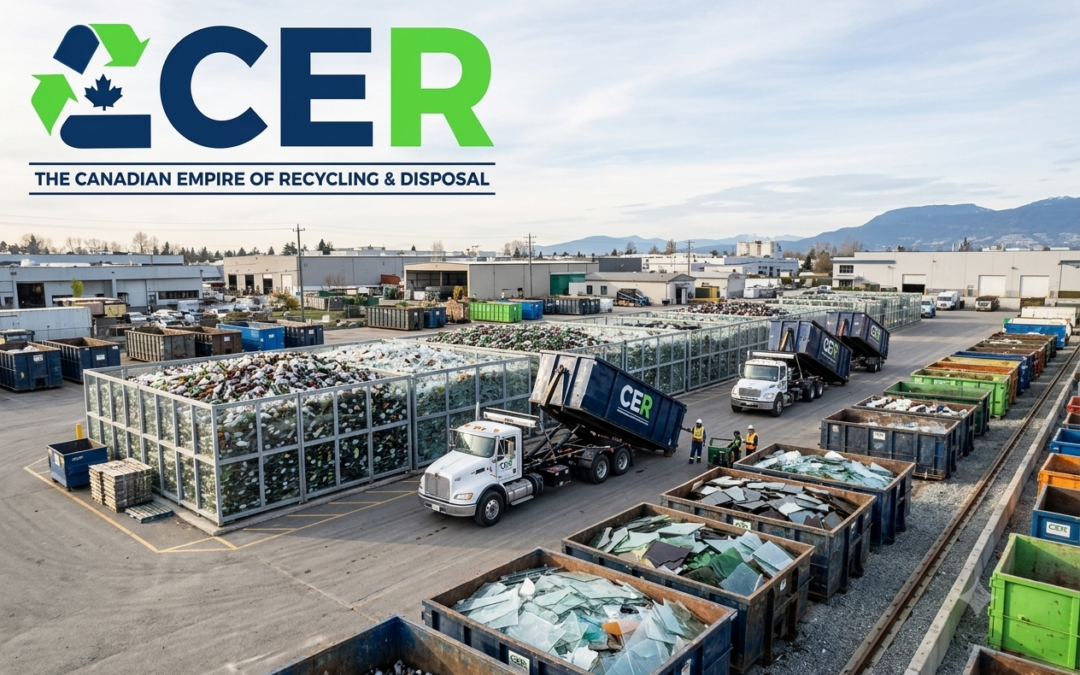
Glass recycling has become an important part of sustainable waste management for homeowners, construction companies, restaurants, retail businesses, and industrial facilities across Richmond. However, many people still assume all glass materials can be recycled the same way, which is not always true.
Different glass products are manufactured using different temperatures, coatings, and chemical treatments. Because of this, recycling facilities separate glass materials carefully to avoid contamination and processing issues.
Understanding which materials qualify for proper Glass Recycling services helps businesses and property owners reduce landfill waste while improving environmental responsibility.
Canadian Empire Recycling & Disposal provides recycling and disposal solutions for residential, commercial, and construction waste materials throughout Richmond and nearby areas.
Why Glass Recycling Is Important for Richmond Businesses
Commercial properties generate large volumes of glass waste every week through:
- Restaurants
- Hotels
- Office buildings
- Retail stores
- Construction sites
- Renovation projects
Without proper recycling systems, glass waste often ends up in landfills, even though many materials can be reused repeatedly.
Professional commercial waste programs help businesses:
- Improve sustainability goals
- Reduce landfill contributions
- Maintain cleaner job sites
- Support eco-friendly operations
- Follow local waste disposal regulations
As environmental awareness continues growing in Richmond, more companies are investing in organized recycling systems for glass and other reusable materials.
Types of Glass That Can Commonly Be Recycled
Beverage Bottles
Glass beverage bottles are among the easiest materials to recycle.
These include:
- Water bottles
- Soft drink containers
- Beer bottles
- Wine bottles
- Juice containers
Most recycling facilities sort bottles by color:
- Clear glass
- Green glass
- Brown glass
This separation improves the quality of recycled materials during manufacturing.
Food Storage Jars
Glass food jars are also commonly accepted in recycling programs.
Examples include:
- Pasta sauce jars
- Jam containers
- Pickle jars
- Baby food jars
Containers should be emptied and lightly rinsed before disposal to reduce contamination risks.
Commercial Glass Waste
Businesses using Glass Recycling Richmond services often recycle:
- Restaurant beverage containers
- Bar glass waste
- Office kitchen glass
- Retail display glass
- Hospitality industry glass products
Commercial recycling programs help companies handle larger waste volumes more efficiently while reducing disposal costs over time.
Construction and Renovation Glass
Construction and renovation projects generate recyclable glass materials such as:
- Window panels
- Glass partitions
- Storefront glass
- Shower glass
- Interior office glass
These materials are often separated from mixed debris during demolition or renovation cleanup projects.
Professional Commercial Waste Recycling Richmond providers help contractors safely manage construction glass waste while improving recycling recovery rates.
Types of Glass That Usually Require Special Disposal
Not all glass can enter regular recycling systems.
Tempered Glass
Tempered glass is heat-treated for strength and safety. Because it melts differently from standard container glass, many recycling facilities require separate handling procedures.
Common examples:
- Shower doors
- Patio tables
- Car windows
- Commercial safety glass
Mirrors
Mirrors contain reflective coatings that interfere with standard recycling equipment and sorting systems.
Ceramic and Heat-Resistant Glass
Materials such as:
- Pyrex
- Ceramic cookware
- Oven-safe dishesThey
are manufactured differently and can contaminate recyclable glass batches.
Light Bulbs and Specialty Glass
Some bulbs contain chemicals or metal components requiring hazardous waste disposal methods rather than standard recycling.
Why Commercial Glass Recycling Requires Professional Handling
Commercial facilities often generate mixed waste streams containing:
- Broken glass
- Packaging materials
- Construction debris
- Food waste contamination
Without proper sorting, recyclable materials may become unusable.
Professional recycling services help businesses:
- Organize disposal systems
- Improve recycling efficiency
- Maintain workplace safety
- Prevent contamination
- Reduce unnecessary landfill use
This is especially important for restaurants, construction companies, retail centers, and property management firms handling large amounts of waste.
How Glass Recycling Supports Sustainability Goals
Many junk removal companies in Richmond now prioritize environmentally responsible waste management to support:
- Green building initiatives
- Corporate sustainability programs
- LEED-focused construction projects
- Eco-conscious branding
- Environmental compliance
Glass recycling helps reduce:
- Raw material extraction
- Manufacturing energy use
- Carbon emissions
- Landfill dependency
These benefits make recycling an important part of long-term commercial sustainability planning.
Common Mistakes Businesses Make With Glass Disposal
Mixing Non-Recyclable Glass With Standard Recycling
Tempered glass, mirrors, and ceramics can contaminate recyclable materials.
Throwing Construction Glass Into General Waste
Many renovation materials can often be separated and processed more responsibly through professional recycling programs.
Ignoring Safety Procedures
Broken glass can create major safety hazards for workers and cleanup crews when disposal systems are poorly organized.
Choosing the Right Recycling Partner in Richmond
Businesses should look for recycling providers that offer:
- Commercial waste collection
- Construction waste recycling
- Flexible pickup services
- Safe disposal practices
- Eco-friendly recycling solutions
- Large-volume waste handling
Reliable recycling support improves operational efficiency while helping businesses meet environmental goals.
Glass recycling plays a major role in modern waste management for residential, commercial, and construction industries. While many glass bottles, jars, and commercial glass products can be recycled successfully, specialized materials such as tempered glass, mirrors, and ceramics often require separate handling procedures.
Canadian Empire Recycling & Disposal provides environmentally responsible recycling and disposal solutions for commercial, residential, and construction-related waste materials in Richmond. Contact Canadian Empire Recycling & Disposal team today to learn more about professional glass recycling and waste disposal services.
Frequently Asked Questions (FAQs)
Can tempered glass be recycled in Richmond?
Tempered glass usually requires specialized handling because it melts differently from standard recyclable glass materials.
Why do businesses use Commercial Waste Recycling Richmond services for glass waste?
Commercial businesses often generate large volumes of mixed glass waste that require professional sorting, collection, and environmentally responsible recycling.
Is construction glass recyclable during renovation projects?
Some construction and renovation glass materials can be recycled when separated properly from mixed demolition debris.
How does glass recycling help reduce environmental waste?
Glass recycling reduces landfill waste, conserves raw materials, lowers manufacturing energy consumption, and supports long-term sustainability goals.