Most homeowners think hazardous waste only comes from factories or industrial facilities. In reality, an average household generates a surprising amount of hazardous waste each year. Everyday products stored in garages, kitchens, bathrooms, workshops, and gardens can become dangerous once they expire, leak, or are improperly discarded.
Understanding these hidden hazards helps protect your family, local waterways, wildlife, and the environment. More importantly, it ensures these materials are handled as hazardous waste instead of ending up in household garbage.
What Qualifies as Household Hazardous Waste?
Household hazardous waste disposal Richmond includes products that are flammable, corrosive, toxic, or reactive. Although many are safe when used correctly, they require special handling once they are no longer needed.
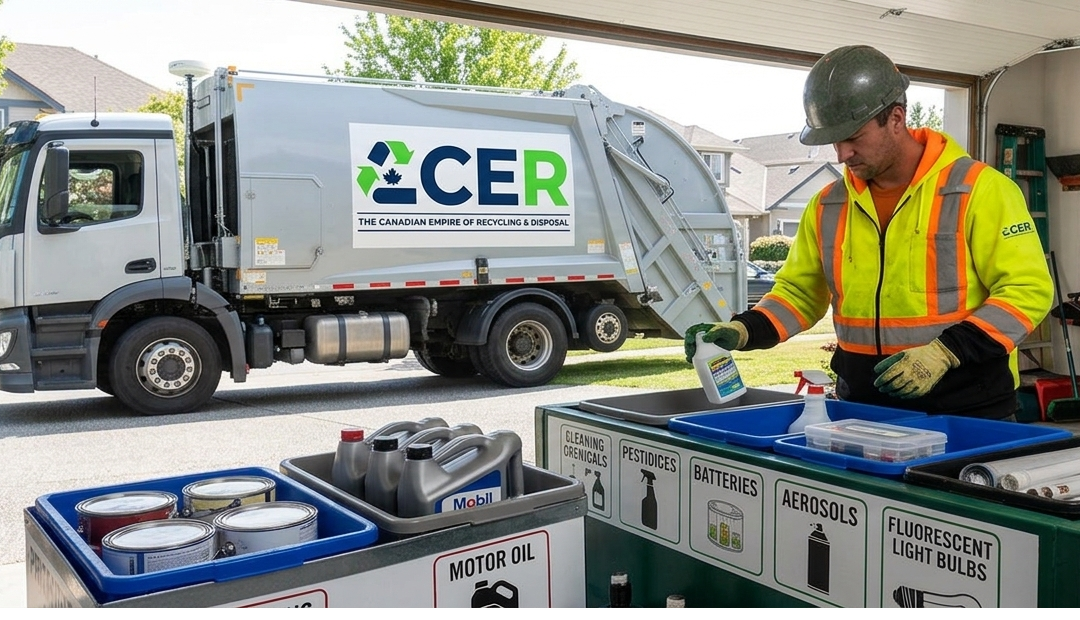
Common examples include:
- Leftover paint and paint thinners
- Motor oil and automotive fluids
- Pesticides and herbicides
- Household cleaners
- Solvents and adhesives
- Aerosol cans
- Batteries
- Fluorescent light bulbs
- Pool chemicals
- Propane cylinders
These products should never be mixed with regular household waste.
Why Richmond Homes Generate More Hazardous Waste Than Expected
Many households gradually accumulate hazardous products without realizing it. Renovation projects, vehicle maintenance, gardening, seasonal cleaning, and home improvements all contribute to the growing collection of potentially dangerous materials.
Items often remain stored for years before homeowners decide to dispose of them, increasing the risk of leaks, chemical reactions, or accidental exposure.
Hidden Sources You May Overlook
Some hazardous materials are not immediately obvious.
Garage and Workshop
Garages often contain:
- Brake fluid
- Engine oil
- Fuel additives
- Degreasers
- Rust removers
- Paint products
Many of these chemicals remain hazardous even after partial use.
Kitchen and Laundry Room
Cleaning products, drain cleaners, bleach, disinfectants, and specialty chemicals may become hazardous if mixed or disposed of improperly.
Bathroom
Unused medications, nail polish remover, certain cosmetics, and chemical-based personal care products should be disposed of responsibly.
Garden Shed
Fertilizers, weed killers, pesticides, insect sprays, and lawn treatment chemicals require careful storage and proper disposal to prevent environmental contamination.
Environmental Risks of Improper Disposal
Throwing hazardous waste into household garbage can create long-term environmental problems.
Potential consequences include:
- Soil contamination
- Groundwater pollution
- Damage to local ecosystems
- Increased landfill hazards
- Fire and explosion risks
- Exposure to sanitation workers
Even small quantities of hazardous chemicals can affect water quality if they enter drainage systems.
Safe Storage Before Disposal
Until hazardous materials can be properly disposed of, homeowners should:
- Keep products in their original containers.
- Clearly label partially used products.
- Store chemicals away from children and pets.
- Avoid mixing different products.
- Protect containers from extreme temperatures.
- Regularly inspect stored chemicals for leaks or damage.
Proper storage reduces the risk of accidental spills and chemical reactions.
Why Proper Disposal Matters
Responsible disposal protects both public health and the environment. Using a Hazardous Waste Drop-off Depot Richmond ensures hazardous materials are processed according to environmental regulations rather than ending up in landfills.
Many products can also be recycled or treated to recover valuable materials, reducing unnecessary waste while supporting sustainable waste management practices.
Planning Household Hazardous Waste Disposal
Rather than waiting until hazardous materials accumulate, homeowners should create a simple disposal plan.
Consider scheduling a home inspection every few months to identify products that are expired, damaged, or no longer needed. Separating hazardous materials from regular waste makes disposal safer and more efficient.
When it’s time to dispose of these materials, using professional Household Hazardous Waste Disposal Richmond helps ensure they are handled responsibly while protecting the community and the environment.
Hidden hazardous waste is present in nearly every Richmond home, even if homeowners don’t immediately recognize it. By identifying hazardous products early, storing them safely, and disposing of them through approved methods, families can reduce environmental risks while creating a safer home.
Canadian Empire Recycling & Disposal provides dependable waste management solutions for residential and commercial customers across Richmond. Contact Canadian Empire Recycling & Disposal today to learn how our team can help you manage waste safely and responsibly.
Frequently Asked Questions
Why shouldn't hazardous waste be placed in household garbage?
Hazardous materials can contaminate soil and water, create fire hazards, expose sanitation workers to harmful chemicals, and damage the environment.
How should hazardous waste be stored before disposal?
Keep materials in their original containers, store them in a cool and dry location, keep them away from children and pets, and never mix different chemicals.
How often should homeowners check for hazardous waste?
A household inspection every three to six months helps identify expired or unwanted hazardous products before they become a safety risk.
What are the benefits of using professional hazardous waste disposal services?
Professional disposal ensures hazardous materials are handled according to environmental regulations, reducing pollution while protecting public health and supporting responsible recycling practices.