Improper waste disposal is one of the most common mistakes made during home cleanups, renovations, office clear-outs, and commercial operations. Many people assume that once an item is no longer useful, it can simply be placed in a garbage bin. Unfortunately, that approach can create serious environmental, financial, and safety risks when hazardous materials are mixed with regular waste.
Whether you’re a homeowner, contractor, or business owner, understanding how to separate hazardous materials from everyday garbage is essential. If you’re looking for Hazardous Waste Disposal Port Coquitlam, knowing what should never enter the regular waste stream can help protect both people and the environment.
What Makes Waste Hazardous?
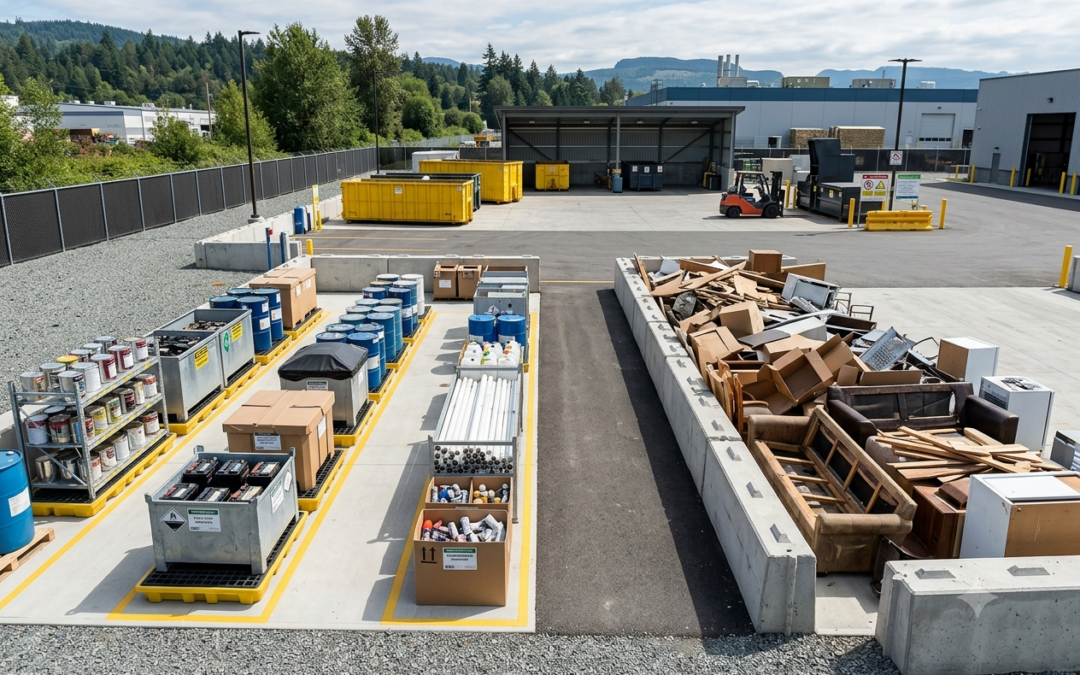
Hazardous waste contains substances that may be toxic, flammable, corrosive, or reactive. These materials require specialized collection and processing because they can pose risks long after they are discarded.
Common examples include:
- Paints and paint thinners
- Solvents and adhesives
- Motor oil and antifreeze
- Batteries
- Pesticides and herbicides
- Household cleaning chemicals
- Aerosol cans
- Fluorescent tubes
- Pool chemicals
- Automotive fluids
These materials should always be handled through approved Hazardous Waste Drop Off Depot Port Coquitlam services or licensed hazardous waste professionals.
Why Mixing Hazardous Waste with Regular Garbage Is a Serious Problem
Environmental Pollution
Hazardous chemicals don’t simply disappear after entering a garbage truck. If they leak during transportation or disposal, they can contaminate soil, groundwater, and nearby ecosystems.
Even a small amount of chemical waste can affect large areas, making cleanup expensive and damaging local wildlife. Responsible Hazardous Waste Disposal Port Coquitlam helps reduce these environmental risks while supporting cleaner communities.
It Can Create Fire and Explosion Hazards
Many hazardous products contain flammable chemicals.
Examples include:
- Gasoline residue
- Paint thinners
- Aerosol cans
- Solvents
- Certain industrial cleaners
When these materials are crushed inside garbage trucks or compactors, pressure and heat may trigger fires or explosions, putting waste collection workers and nearby property at risk.
Waste Collection Workers Face Unnecessary Risks
Improperly discarded hazardous materials expose sanitation workers to dangerous substances every day.
Potential hazards include:
- Chemical burns
- Toxic vapours
- Battery acid leaks
- Broken fluorescent tubes
- Sharp contaminated containers
Separating hazardous materials before disposal is one of the simplest ways to improve workplace safety throughout the waste management process.
Businesses May Face Higher Disposal Costs
For commercial facilities, mixing hazardous materials with ordinary waste often leads to unnecessary expenses.
If hazardous substances contaminate an entire waste load, additional handling, transportation, sorting, and specialized treatment may be required. Businesses may also experience project delays and increased disposal charges.
Proper waste segregation helps organizations control costs while improving environmental compliance. Companies using Commercial Waste Disposal Port Coquitlam services should establish clear procedures to separate hazardous waste before collection.
Hazardous Waste Is Different from Regular Junk
One of the biggest misconceptions is believing that everything removed during a cleanup belongs in the same collection.
Items such as:
- Old furniture
- Cardboard
- Scrap wood
- Broken shelving
- Household clutter
- Non-hazardous renovation debris
are generally suitable for Junk Removal Services Port Coquitlam.
However, chemicals, paints, oils, batteries, pesticides, and similar materials require specialized disposal methods. Mixing these items with ordinary junk increases safety risks and may contaminate recyclable materials.
Understanding this difference ensures each waste stream is managed correctly.
Simple Ways to Separate Hazardous Waste
Before disposing of unwanted materials, follow these practical steps:
- Read product labels carefully.
- Keep hazardous products in their original containers.
- Never mix different chemicals together.
- Store hazardous materials away from heat sources.
- Separate chemicals from regular household waste.
- Arrange proper collection before beginning large clean-up projects.
These small actions help prevent contamination and reduce disposal complications.
Why Professional Disposal Matters
Hazardous waste regulations are more complex than regular garbage collection. Professional disposal providers understand how different materials must be packaged, transported, and processed safely.
Whether the waste comes from a home renovation, automotive business, warehouse, office, or industrial facility, proper handling minimizes environmental impact while protecting workers and the public.
If you’re uncertain whether an item qualifies as hazardous, it’s always better to verify before placing it in the garbage.
Make Waste Separation Part of Every Cleanup
Whether you’re renovating a home, clearing out a commercial property, or completing a seasonal cleanup, separating hazardous materials should always be part of your disposal plan. Proper waste sorting protects recycling systems, reduces environmental damage, and helps prevent costly mistakes that could have been avoided with a little preparation.
Choose Canadian Empire Recycling & Disposal
Proper hazardous waste management starts with the right disposal partner. Contact Canadian Empire Recycling & Disposal for dependable hazardous waste services for homeowners, contractors, and businesses, helping ensure regulated materials are collected and managed safely. Their experienced team can guide you toward responsible disposal solutions that protect both your property and the environment.