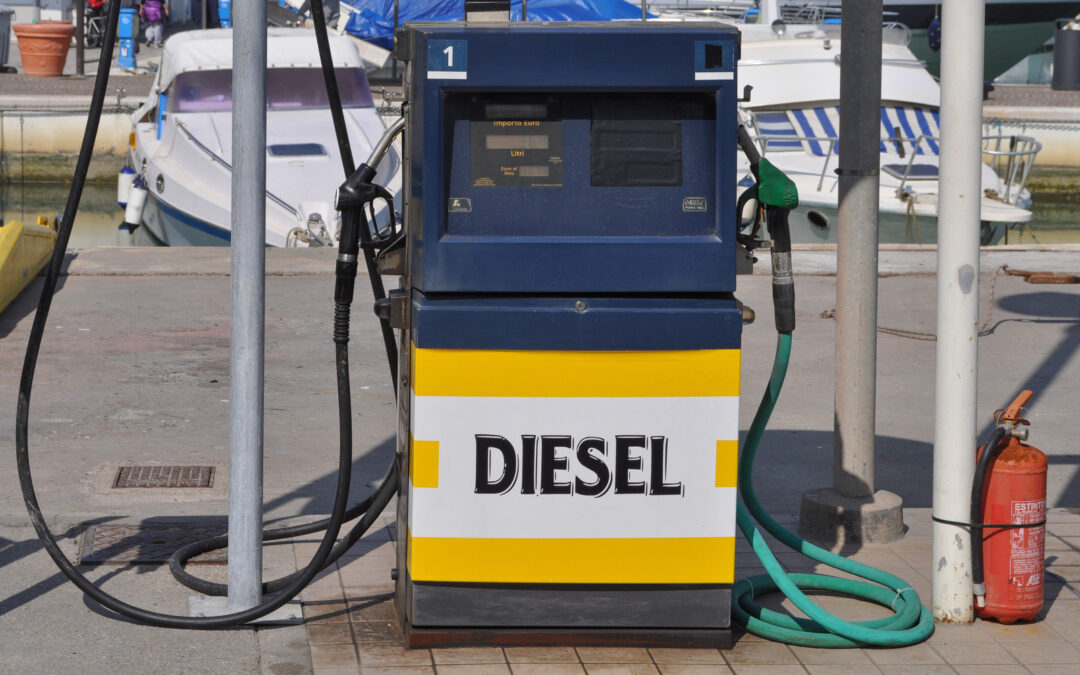
Diesel fuel is widely used across Port Coquitlam in construction, transportation, marine operations, and industrial facilities. While diesel is essential for powering equipment and vehicles, it becomes a serious environmental and legal concern when it is stored incorrectly or disposed of improperly. Many businesses and property owners underestimate the consequences of mishandling diesel waste, but the penalties can be severe. Understanding why improper diesel disposal leads to heavy fines in is crucial for compliance, safety, and environmental responsibility.
Diesel Fuel Is Classified as Hazardous Waste
Diesel may seem less dangerous than other fuels, but once it becomes waste through contamination, aging, or improper storage, it is classified as hazardous material. Waste diesel contains harmful hydrocarbons that can contaminate soil, groundwater, and stormwater systems if released into the environment.
Local and provincial authorities treat diesel waste seriously because even small spills can cause long-term ecological damage. This is why businesses are required to follow approved Hazardous Waste Disposal Port Coquitlam procedures rather than treating diesel like ordinary liquid waste.
Environmental Impact Drives Strict Enforcement
Port Coquitlam is located near sensitive ecosystems, including rivers, wetlands, and stormwater channels that feed into larger water systems. Improper diesel disposal can lead to fuel seeping into drains or soil, eventually contaminating waterways and harming aquatic life.
Environmental damage often triggers immediate investigations. Cleanup costs, environmental restoration, and enforcement penalties can quickly escalate into tens of thousands of dollars. Authorities impose heavy fines not only to cover remediation costs but also to deter negligent disposal practices.
Common Diesel Disposal Violations That Result in Fines
Many fines are issued due to a lack of awareness rather than intentional misconduct. Common violations include:
- Pouring diesel into drains or onto soil
- Mixing diesel with general waste or construction debris
- Storing diesel in unapproved or leaking containers
- Using unlicensed transporters for removal
- Failing to maintain disposal records
Each of these violations can result in significant penalties. Improper Diesel Disposal Port Coquitlam practices are often discovered during routine inspections, environmental complaints, or after accidental spills.
Legal Responsibilities for Businesses and Contractors
Businesses, contractors, and property owners are legally responsible for the waste they generate. This responsibility does not end when diesel leaves the site. If waste diesel is improperly transported or disposed of by a third party, the original generator can still be held accountable.
This “cradle-to-grave” responsibility means that choosing licensed disposal providers and maintaining proper documentation is not optional. Failing to do so exposes businesses to fines, project shutdowns, and potential legal action.
Financial Consequences Go Beyond Fines
While regulatory fines are often the most visible penalty, they are only part of the financial impact. Improper diesel disposal can also lead to:
- Cleanup and soil remediation costs
- Equipment downtime and project delays
- Increased insurance premiums
- Loss of operating permits
- Damage to business reputation
For construction and industrial operations, even a single diesel disposal violation can disrupt schedules and strain client relationships.
Why Proper Disposal Facilities Matter
Diesel waste must be handled at approved facilities designed to manage hazardous materials safely. These facilities follow strict protocols to prevent leaks, emissions, and environmental contamination.
Using an approved Hazardous Waste Drop Off Depot Port Coquitlam ensures that diesel waste is processed, treated, or disposed of according to environmental regulations. Attempting to bypass these facilities to save time or money often results in far greater costs once penalties are applied.
Increased Enforcement and Inspections
Environmental enforcement has increased in recent years as municipalities focus on sustainability and pollution prevention. Inspections at construction sites, industrial yards, and commercial properties are becoming more frequent.
Authorities now rely on digital reporting, environmental tracking, and public complaints to identify improper disposal practices. This means violations are more likely to be detected, making compliance more important than ever.
How Proper Disposal Protects Your Business
Following proper diesel disposal procedures protects more than just the environment; it safeguards your business operations. Compliant disposal reduces liability, ensures regulatory approval, and demonstrates corporate responsibility.
Businesses that invest in professional diesel disposal services benefit from clear documentation, expert handling, and peace of mind knowing they are meeting all legal requirements.
Choosing the Right Disposal Partner
Not all waste service providers are equipped to handle diesel safely. Choosing a licensed, experienced partner ensures proper containment, transportation, and disposal. Professional providers understand local regulations and help businesses avoid costly mistakes.
Canadian Empire Recycling offers reliable hazardous and diesel waste disposal solutions tailored to commercial, industrial, and construction needs. Their team helps ensure every step of the process meets regulatory standards.
If your business or project generates waste diesel, working with a trusted disposal provider is essential. Canadian Empire Recycling provides professional diesel disposal services designed to keep businesses compliant and environmentally responsible. Contact Canadian Empire Recycling to arrange safe, legal diesel disposal and avoid the heavy fines associated with improper handling.