Dealing with renovation debris can feel overwhelming, especially when older homes or commercial buildings contain materials that may hold asbestos. Many properties in Port Coquitlam still feature components installed decades ago, and once disturbed, these items must be handled with extreme care. Because asbestos exposure can threaten air quality and long-term health, proper planning is essential. The good news is that safely managing unwanted materials doesn’t have to be complicated. With the right preparation and guidance, you can complete the process without stress or confusion.
Why Asbestos Requires Special Attention
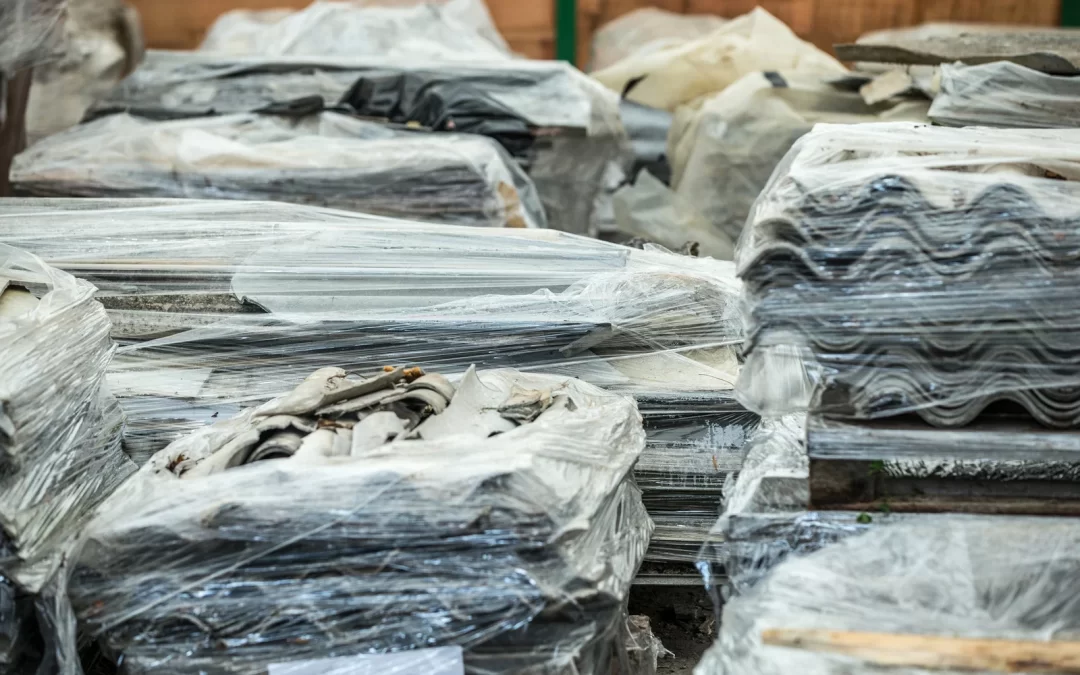
Asbestos was once common in insulation, cement, textured walls, vinyl flooring, and roofing. These products remain stable when left untouched, but cutting, scraping, or removing old building parts can release tiny fibres. Since these particles are invisible, they can float for hours, creating risks for anyone in the area. That’s why professional handling and strict disposal standards are required.
People often feel anxious when they hear the word “asbestos,” but knowledge reduces fear. Understanding the steps involved helps you maintain calm and stay organised from start to finish. This guide focuses on clear, practical tips you can rely on throughout your project.
Start With a Safe Inspection
Before removing anything, arrange for a certified technician to inspect the site. This is especially important for older homes or structures undergoing demolition. A trained assessor can point out high-risk areas, sample suspect materials, and explain the safest path forward. Their report often determines whether you can continue with basic removal or if a licensed abatement crew is required.
Skipping this step can lead to accidental fibre release, costly delays, or contamination. A proper inspection creates peace of mind and ensures your next steps follow local requirements.
Plan the Removal Timeline Carefully
Stress often appears when projects feel rushed. Build plenty of time into your renovation calendar for asbestos testing, containment, and disposal. Even small rooms may require multiple stages, including sealing off work zones, wearing protective gear, and using specialised equipment. Crews must work methodically to prevent debris from spreading.
By planning, you can schedule other work tasks, plumbing, electrical changes, and painting around the removal process instead of trying to overlap jobs. Smooth timing reduces pressure and prevents unexpected conflicts.
Follow Local Disposal Standards
Port Coquitlam enforces strict guidelines to make sure asbestos debris stays contained from the moment it’s removed until it reaches the correct destination. These rules protect workers, neighbours, and the environment. Approved removal bags, proper sealing techniques, and certified drop-off sites are all part of the system.
This is where Asbestos Waste Disposal Port Coquitlam procedures come into play, helping you remain compliant throughout the entire process.
Trying to navigate guidelines without expert assistance can feel confusing. To avoid mistakes, work with trained professionals who understand every detail of local requirements.
Organise Tools, Supplies, and Storage Before Work Begins
One of the simplest ways to reduce stress is to prepare your supplies early. Thick bags, labelled containers, disposable suits, gloves, respirators, and safety tape should be ready before any demolition begins. This prevents last-minute scrambles and ensures all hazards remain contained.
If you’re working with a contractor, ask them to confirm what they’ll bring. If handling smaller tasks alone, double-check that everything meets approved standards. Clean-up equipment, mops, HEPA vacuums, and waste containers must also be available for the final stage.
Keep the Work Area Sealed and Controlled
A well-contained workspace helps ensure fibres don’t drift into hallways or neighbouring rooms. Barriers, plastic sheeting, warning signs, and negative air units are common tools used by trained teams. Although these setups may look complex, they make the entire job safer and more efficient.
Once a zone is sealed, avoid unnecessary entry or movement in and out of the space. A steady, controlled process minimises debris spread and reduces your workload later.
Choose Responsible Waste Management Specialists
Selecting an experienced disposal provider removes nearly all stress from the project. Experts understand safe transportation methods, packaging requirements, and drop-off protocols. They ensure the debris reaches an approved facility and doesn’t risk exposure along the way.
This includes handling tasks connected to Hazardous Waste Disposal Port Coquitlam, which involves high-standard processes for toxic materials generated during renovation projects.
When professionals manage the disposal stage, your project becomes easier, safer, and more predictable.
Keep Communication Clear Throughout the Project
Good communication helps every stage run smoothly. Whether you’re coordinating with contractors, inspectors, or disposal specialists, maintain clear expectations and simple steps. Clarify which materials need removal, confirm the schedule, and keep everyone updated. When details are organised, misunderstandings drop, and you feel more confident throughout the process.
Keeping written notes also helps—whether you’re documenting test results, removal dates, or disposal receipts. A tidy record reduces stress by eliminating uncertainty.
Where to Get Trusted Help
Safe disposal doesn’t need to be overwhelming. With proper inspections, organised planning, and certified guidance, the process becomes straightforward and manageable. Stress decreases when you rely on teams familiar with local rules and trained in safe handling procedures.
During the early planning stages, you can also speak with Canadian Empire Recycling for general insights, as they are known for reliable support across various waste-management needs.
If you’re ready for dependable guidance from experienced specialists who make safety the top priority, contact Canadian Empire Recycling. Their team ensures your project stays compliant, organised, and free from unnecessary worry from start to finish.