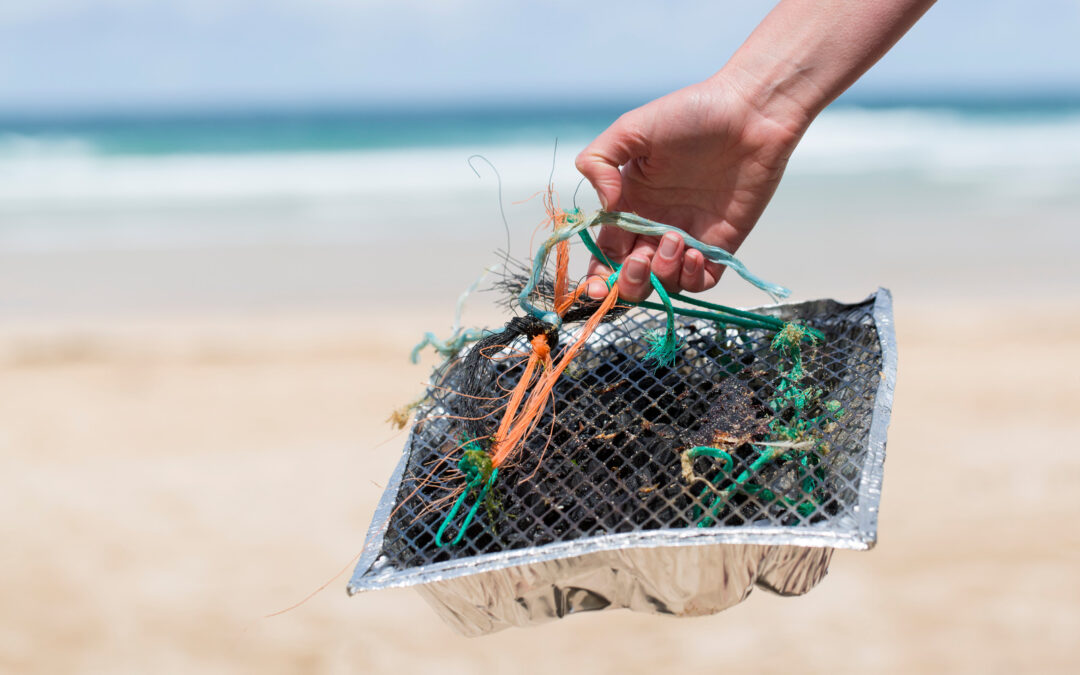
When summer ends or your trusty grill finally gives out, it’s tempting to just haul your old BBQ to the curb. But tossing it in the trash isn’t only wasteful, it can also be unsafe and bad for the environment. Barbecues are made of metal, plastic, and sometimes hazardous materials that require careful handling. The good news? There are eco-friendly, safe, and often cost-effective ways to dispose of a BBQ without harming the planet.
1. Assess Whether Your BBQ Can Be Repaired or Reused
Before you get rid of your barbecue, check if it can be repaired. Many problems, like a clogged burner, worn-out grates, or a faulty igniter, can be fixed for much less than the cost of a new grill. You might be able to:
- Replace rusted grates
- Clean and unclog burners
- Swap out a broken ignition system
- Tighten or replace bolts and handles
If you’re upgrading, consider passing your old BBQ along to a friend, family member, or community group. Many people are happy to take a working (or repairable) grill for free.
2. Remove Hazardous Components First
Barbecues, especially gas grills, contain parts that can be hazardous if not handled correctly. The most important step before disposal is removing the propane tank. Even if it’s empty, a propane tank can still contain flammable gas residue, which makes it dangerous to throw away.
Here’s what to do:
- Take propane tanks to a local propane supplier for proper recycling.
- Some hardware stores or waste depots will accept them as part of hazardous waste disposal.
- Never puncture, crush, or toss propane tanks in the garbage.
If your BBQ has electrical components (such as lights or a rotisserie motor), remove those too and take them to an e-waste facility. Canadian Empire Recycling can assist with ensuring these hazardous parts are handled properly before the rest of your BBQ is processed for recycling.
3. Scrap the Metal Parts
Most barbecues are made primarily from steel or aluminum, both of which are valuable recyclables. Once hazardous parts are removed, you can:
- Take your BBQ frame and body to a local scrap metal yard.
- Check if your community recycling program offers bulky metal pickup.
- Disassemble the grill to separate different types of metal for better recycling rates.
Metal recycling prevents these materials from ending up in the landfill and allows them to be reused in manufacturing.
4. Upcycle BBQ Parts into Something New
If you’re feeling creative, you can give your old BBQ a new life. People have turned old grills into:
- Garden planters
- Outdoor storage bins
- Portable fire pits
- Tool caddies for the garage
This is a fun way to keep materials out of the waste stream while adding something unique to your backyard or home.
5. Use a Professional Disposal Service
If dismantling and transporting your BBQ isn’t feasible, a professional junk removal Port Coquitlam service can help. They will:
- Safely remove hazardous components
- Transport the grill to the appropriate recycling or dispose facility
- Ensure everything is handled according to environmental regulations
Choosing a certified recycling service means your old BBQ won’t just end up in the landfill, it will be dispose of in a way that benefits the environment.
6. Check Local Disposal Guidelines
Disposal rules vary by city, so check your local government’s waste management website. Many cities have:
- Hazardous waste drop-off events for items like propane tanks and electronics.
- Metal recycling depots for large items like BBQs.
- Bulky waste collection days for curbside pickup.
Knowing the rules ahead of time will save you from fines and ensure your BBQ is handled properly.
Your old barbecue doesn’t have to become an environmental problem. With a little extra effort, you can make sure it’s disposed of safely or even repurposed into something useful. From removing hazardous components to recycling valuable metals, there are multiple eco-friendly options available.
If you need safe, efficient, and environmentally friendly dispose of BBQ, contact Canadian Empire Recycling. They’ll ensure every part of your BBQ, from metal to hazardous components, is handled with care and processed responsibly.