Commercial renovation projects can transform outdated spaces into modern, efficient, and profitable environments. However, beneath the excitement of redesign and upgrades lies a critical responsibility that many business owners overlook—asbestos disposal. If your building was constructed before the 1990s, there is a strong chance it contains asbestos-containing materials (ACMs). Ignoring this risk during renovation can lead to serious health hazards, legal penalties, and costly project delays.
Understanding Asbestos in Commercial Buildings
Asbestos was once widely used in commercial construction due to its fire resistance, durability, and insulating properties. It can commonly be found in:
- Ceiling tiles
- Pipe insulation
- Floor tiles and adhesives
- Roofing materials
- Wall insulation and drywall compounds
While asbestos is relatively harmless when undisturbed, renovation activities such as drilling, cutting, or demolition can release microscopic fibers into the air. When inhaled, these fibers can cause severe diseases, including lung cancer, asbestosis, and mesothelioma.
Why Asbestos Disposal Should Be a Top Priority
Many business owners focus on design, budget, and timelines during renovations—but overlooking asbestos can have serious consequences:
1. Health Risks
Exposure to airborne asbestos fibers poses long-term health risks for workers, tenants, and visitors. Even minimal exposure can be dangerous over time.
2. Legal Compliance
Local and provincial regulations in British Columbia require strict handling, removal, and disposal of asbestos materials. Failure to comply can result in heavy fines and legal action.
3. Project Delays
Discovering asbestos mid-renovation can halt your project completely until proper removal procedures are followed.
4. Environmental Responsibility
Improper disposal can contaminate the environment, affecting soil and water quality.
Importance of Professional Asbestos Waste Handling
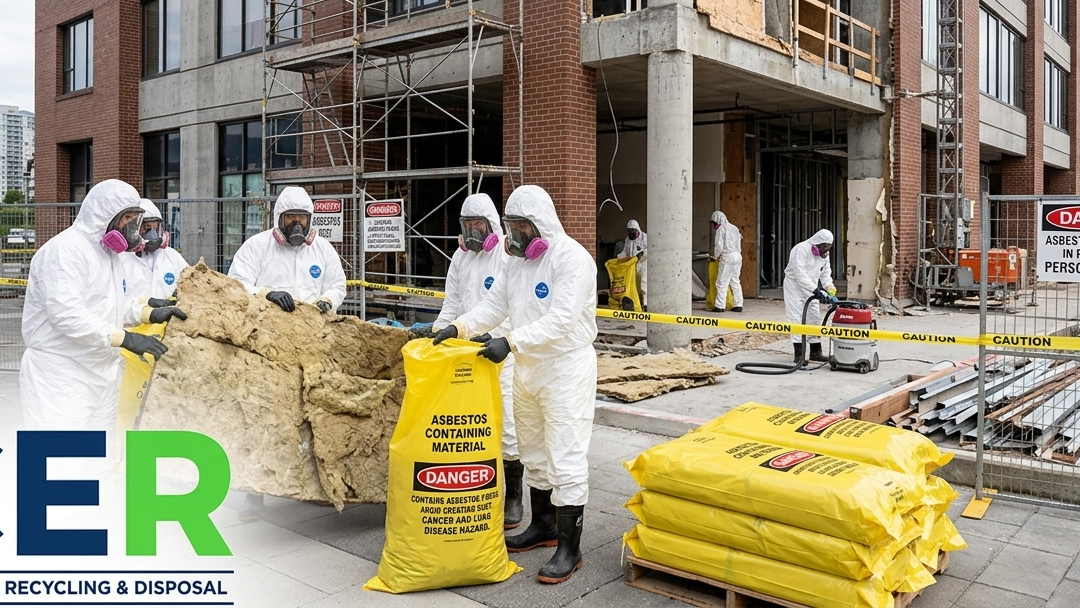
Handling asbestos is not a DIY task. Certified professionals follow strict safety procedures, including:
- Conducting asbestos inspections and testing
- Creating containment zones
- Using specialized protective equipment
- Safely removing and packaging asbestos materials
- Transporting waste to approved disposal facilities
When it comes to asbestos waste disposal Port Coquitlam, hiring experienced professionals ensures compliance with regulations and protects everyone involved in the project.
Steps to Safe Asbestos Disposal During Renovation
Here’s a step-by-step overview of how asbestos should be handled during a commercial renovation:
1. Asbestos Survey and Testing
Before starting any renovation, a certified inspection should be conducted to identify asbestos-containing materials.
2. Risk Assessment
Once identified, professionals evaluate the condition and risk level of the asbestos materials.
3. Controlled Removal
Trained technicians remove asbestos in a controlled environment using sealed containment systems to prevent fiber release.
4. Proper Packaging and Labeling
All asbestos waste is sealed in leak-proof, clearly labeled containers.
5. Safe Transportation and Disposal
Waste is transported to designated facilities that comply with environmental regulations.
Integrating Waste Management into Your Renovation Plan
Asbestos is only one part of the waste generated during a commercial renovation. Efficient planning should include a comprehensive waste management strategy.
For example, Commercial Waste Disposal Port Coquitlam services help businesses handle various types of waste, including office materials, fixtures, and general debris. This ensures your project remains organized, compliant, and environmentally responsible.
Construction Waste and Asbestos: A Combined Challenge
Renovation projects often produce a mix of hazardous and non-hazardous waste. Managing both effectively is crucial to avoid contamination and maintain safety standards.
Services like Construction Waste Disposal Port Coquitlam are essential for handling materials such as concrete, wood, metal, and drywall. When combined with proper asbestos disposal, these services ensure a streamlined and safe renovation process.
Common Mistakes to Avoid
Even experienced contractors can make errors when dealing with asbestos. Here are some common mistakes to watch out for:
- Starting renovation without an asbestos inspection
- Attempting to remove asbestos without proper certification
- Mixing asbestos waste with general construction debris
- Improper labeling and storage of hazardous materials
- Choosing unlicensed disposal services
Avoiding these mistakes can save you time, money, and potential legal trouble.
Benefits of Proper Asbestos Disposal
Investing in proper asbestos handling offers several advantages:
- Worker Safety: Protects employees and contractors from exposure
- Regulatory Compliance: Keeps your project aligned with local laws
- Project Efficiency: Prevents unexpected delays
- Environmental Protection: Reduces contamination risks
- Reputation Management: Demonstrates responsible business practices
Planning for a Smooth Renovation
The key to a successful commercial renovation lies in preparation. Before breaking ground, ensure you:
- Schedule an asbestos inspection
- Hire certified removal professionals
- Plan for waste segregation and disposal
- Allocate budget for hazardous material handling
- Partner with reliable disposal service providers
Taking these steps early can prevent complications and keep your project on track.
Commercial renovations are a valuable investment, but they come with responsibilities—especially when dealing with hazardous materials like asbestos. Ignoring proper disposal not only puts lives at risk but can also lead to legal and financial consequences.
If you’re planning a renovation project in Port Coquitlam, make asbestos disposal a priority from day one. Partnering with professionals ensures that every step—from inspection to disposal—is handled safely and efficiently.
For reliable and compliant services, you can contact Canadian Empire Recycling & Disposal. Their experienced team can assist with safe asbestos handling, transportation, and disposal, helping your commercial renovation project move forward without risk or delays.