Every day, businesses across Mission generate waste as part of their normal operations. Offices produce paper and packaging materials, retail stores manage cardboard and product waste, while warehouses and construction sites often deal with larger volumes of debris. While most business owners focus on getting waste removed efficiently, many rarely consider what happens after it leaves their property.
Understanding the journey of commercial waste is becoming increasingly important for businesses looking to reduce environmental impact, improve operational efficiency, and comply with local waste management requirements. Whether you operate a retail store, office, restaurant, industrial facility, or construction company, knowing how waste is processed can help you make smarter disposal decisions.
The First Step: Collection and Transportation
The commercial waste management process begins when waste is collected from your business location. Depending on the type and volume of material generated, waste may be gathered through scheduled pickups, bin services, or specialized collection programs.
Businesses using professional commercial waste recycling Mission services benefit from organized collection systems that help keep operations clean, safe, and compliant. Once collected, materials are transported to authorized processing facilities where they undergo sorting and evaluation.
At this stage, waste is not automatically sent to a landfill. Modern waste management practices prioritize diversion, recycling, and material recovery whenever possible.
Sorting: Where Waste Begins Its Second Life
One of the most important stages in the waste stream is sorting.
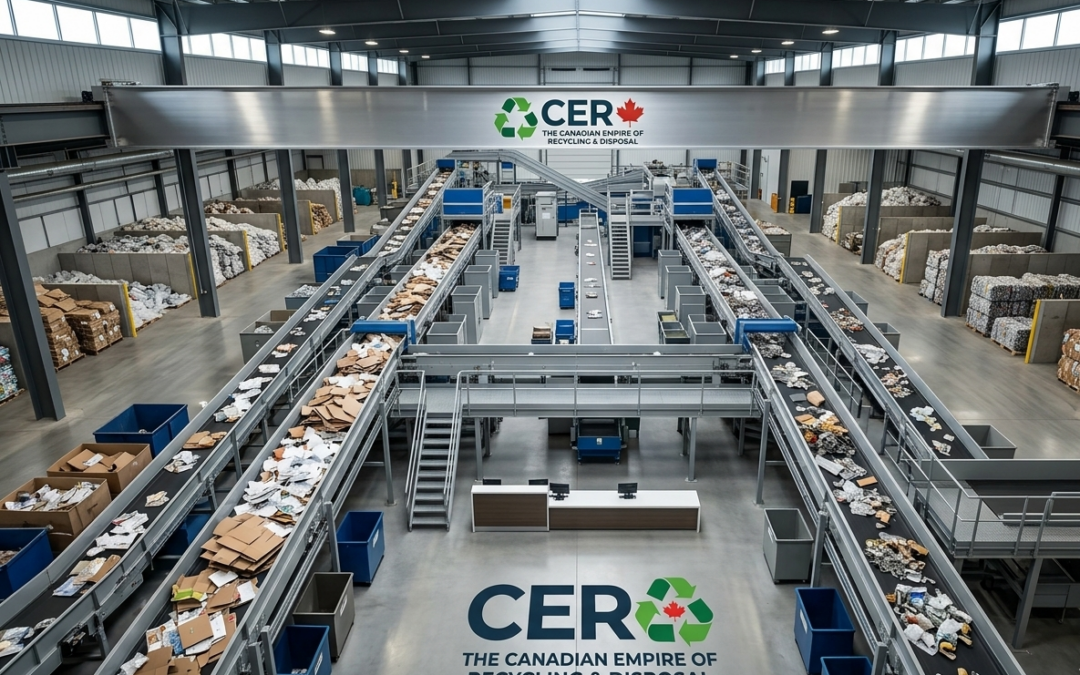
At processing facilities, materials are separated into categories such as:
- Cardboard and paper products
- Plastics
- Metals
- Wood materials
- Electronics
- Construction debris
- Organic waste
- Non-recyclable materials
Advanced sorting methods help recover valuable materials that can be reused in manufacturing and production processes.
Businesses that work with experienced waste management providers often achieve higher diversion rates because recyclable materials are identified before disposal occurs.
Recycling and Material Recovery
After sorting, recyclable materials are directed toward specialized recycling streams.
For example:
Paper and Cardboard
Paper products are processed into pulp and transformed into new packaging, paper products, and cardboard materials.
Metal
Steel, aluminum, and other metals are melted and reused in manufacturing, construction, and industrial applications.
Plastics
Many commercial plastic products can be processed and converted into new containers, packaging materials, and industrial products.
Wood Waste
Clean wood materials can often be repurposed into mulch, composite products, or biomass energy resources.
For businesses focused on sustainability, working with a provider that emphasizes recovery and recycling can significantly reduce landfill contributions.
What Happens to Construction and Renovation Waste?
Construction projects often generate large amounts of mixed waste that require specialized handling.
Materials such as:
- Concrete
- Drywall
- Lumber
- Metal
- Roofing materials
- Packaging waste
can often be separated and diverted from recycling facilities.
Many local contractors and developers are now adopting more sustainable waste management strategies because landfill fees continue to rise and environmental expectations are increasing.
This is one reason why professional waste management services in Mission have become essential for commercial construction projects.
Managing Regulated and Specialized Waste
Not all commercial waste can be handled through standard recycling channels.
Certain materials require special processing, including:
- Paint products
- Solvents
- Industrial chemicals
- Batteries
- Electronics
- Lighting systems
- Contaminated materials
Improper disposal can create environmental risks and regulatory issues for businesses.
Professional waste management providers help ensure these materials are handled safely and directed to approved facilities when necessary.
The Landfill: The Last Option
Despite significant recycling efforts, some waste materials cannot currently be recovered or reused.
These residual materials are transported to approved disposal facilities where they are managed according to environmental regulations.
Modern landfill operations include:
- Environmental monitoring systems
- Groundwater protection measures
- Methane management programs
- Waste containment systems
The objective is to minimize environmental impact while safely managing materials that cannot be diverted.
For businesses seeking sustainability improvements, reducing landfill-bound waste remains a major opportunity.
Why Businesses Are Paying More Attention to Waste Tracking
Many organizations are now asking important questions:
- How much waste is being generated?
- What percentage is recyclable?
- Can disposal costs be reduced?
- Are sustainability goals being met?
Tracking waste streams allows businesses to identify inefficiencies and create more effective waste reduction strategies.
Organizations that understand their waste patterns often discover opportunities to lower disposal costs while improving environmental performance.
Sustainability Is Becoming a Business Advantage
Customers, employees, investors, and communities increasingly value responsible environmental practices.
Businesses that prioritize sustainable waste management often benefit from:
- Improved brand reputation
- Reduced environmental impact
- Better operational efficiency
- Increased recycling rates
- Support for corporate sustainability goals
As environmental awareness continues to grow, effective commercial waste management is becoming more than an operational requirement—it is a competitive advantage.
The Importance of Choosing the Right Waste Partner
The company handling your waste plays a significant role in determining how materials are processed after collection.
An experienced provider can help businesses:
- Improve waste diversion rates
- Reduce landfill dependency
- Handle specialized materials properly
- Maintain regulatory compliance
- Support sustainability initiatives
The right waste management strategy ensures that materials are managed responsibly long after they leave your property.
If your business is looking for reliable Commercial Waste Recycling Mission solutions, Canadian Empire Recycling & Disposal provides professional waste management services designed to help local businesses dispose of materials responsibly while maximizing recycling and recovery opportunities. Whether you operate a retail store, office, warehouse, construction site, or industrial facility, the team can help create a customized disposal strategy that supports efficiency, compliance, and sustainability goals. Contact Canadian Empire Recycling & Disposal today to learn how your business can benefit from smarter waste management solutions in Mission.