
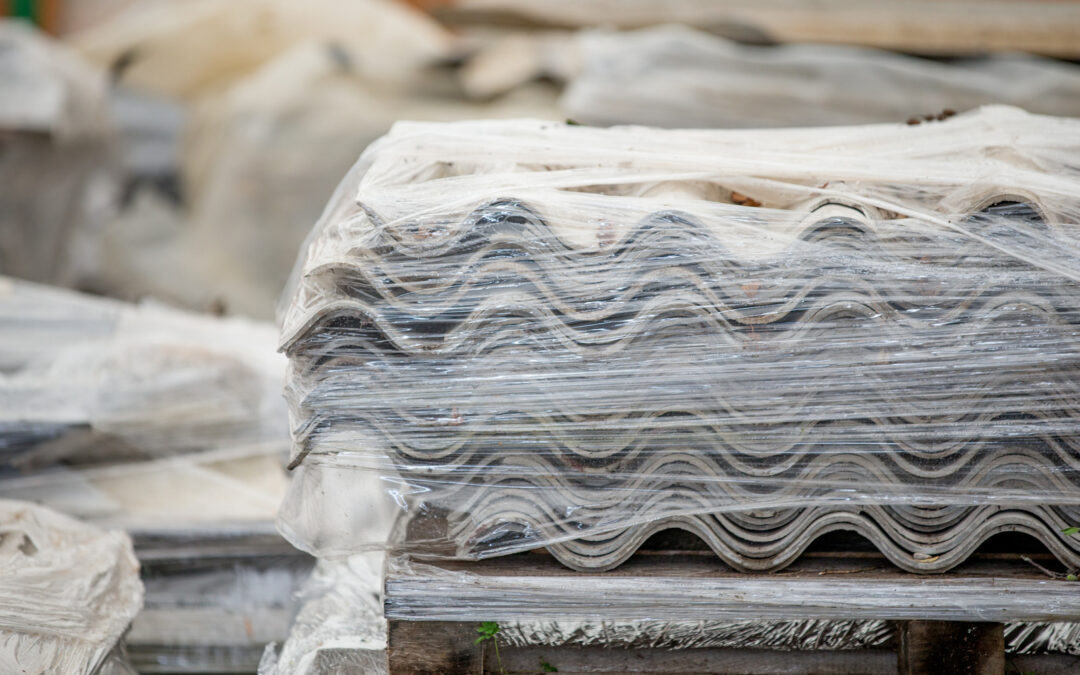
A commercial renovation can quickly move from a simple upgrade to a much more complicated cleanup when older building materials are disturbed. In Mission, properties with aging walls, flooring, insulation, roofing materials, or other building components may contain asbestos.
The challenge is not simply identifying asbestos. Once asbestos-containing material is removed, the resulting waste needs to be handled separately from ordinary renovation debris. That makes waste planning an important part of the project—not something to figure out after demolition is already underway.
The Renovation May Look Routine—The Waste May Not Be
Commercial renovations often generate familiar materials such as drywall, wood, metal, packaging, and general construction debris. Asbestos-containing materials require a different level of attention.
If materials suspected of containing asbestos are discovered during a renovation, work should not continue as though they were ordinary waste. Proper assessment, removal procedures, containment, transportation, and disposal all become part of the cleanup process.
This is particularly important for businesses renovating older commercial spaces where the history of the building materials may not be immediately obvious.
Where the Waste Plan Fits Into the Project
One common mistake is treating waste disposal as the final task.
A better approach is to consider it while planning the renovation.
Before work begins, commercial property owners and contractors can identify:
- Which materials may require special handling
- Where asbestos-containing waste will be placed and contained
- How the material will be transported
- What type of disposal arrangement is required
- Who will be responsible for coordinating the waste
- How the work area will be kept separate from regular renovation debris
Planning these details early can help prevent delays once materials begin leaving the work area.
Why Asbestos Waste Should Stay Separate
A renovation site can contain several different waste streams at the same time. Mixing everything can create unnecessary complications.
Asbestos-containing waste should be kept appropriately contained and separated from regular construction debris according to applicable requirements. This protects workers and others who could otherwise come into contact with contaminated materials during handling or transportation.
It also makes the overall cleanup process easier to organize.
For businesses looking for Asbestos Waste Disposal Mission, the important question is not simply where the waste can be dropped off. The entire process needs to account for the nature of the material and the requirements surrounding its handling.
What About the Rest of the Renovation Waste?
Asbestos is only one part of a commercial renovation cleanup.
A project may also produce:
- Concrete and masonry
- Scrap metal
- Wood
- Cardboard and packaging
- Drywall
- General construction debris
- Other specialized materials
Separating waste streams can make disposal more efficient and can help ensure that materials requiring special handling do not end up mixed with ordinary debris.
Depending on the project, arranging Commercial Waste Disposal Mission can therefore involve coordinating multiple types of waste rather than relying on one general bin for everything.
A Small Discovery Can Change the Cleanup Plan
Imagine a contractor begins opening up an older commercial space and discovers material that may contain asbestos.
At that point, the project is no longer simply about removing debris.
The material needs to be addressed appropriately before the renovation can continue through that area. The waste generated from the removal also needs a planned destination.
This is why asbestos considerations are best addressed before demolition or renovation activities begin. Early planning gives businesses and contractors more time to arrange the appropriate procedures rather than reacting after the waste has already accumulated.
Questions Commercial Property Owners Should Ask
Before a renovation involving older building materials gets underway, it can be useful to ask:
Has the building been assessed for asbestos-containing materials where required?
Knowing what materials are present can help prevent unexpected interruptions.
How will asbestos-containing waste be separated from other debris?
A clear waste-stream plan reduces the chance of materials being mixed unnecessarily.
Who is coordinating transportation and disposal?
Assigning responsibility in advance can prevent confusion when removal begins.
What happens to the waste after it leaves the site?
The project should have a clear disposal pathway rather than treating removal from the property as the end of the process.
The Goal Is More Than an Empty Job Site
A commercial renovation is not finished simply because the old materials have been removed from the building.
The cleanup process should also account for how different waste materials are handled after removal. With asbestos, that distinction becomes especially important.
For Mission businesses, incorporating asbestos waste planning into the renovation schedule can help create a more organized process from the initial discovery through final disposal.
Plan the Waste Before It Becomes a Problem
Renovation projects move quickly once demolition begins. Having a waste plan in place beforehand can make it easier to manage unexpected discoveries, separate different waste streams, and coordinate specialized disposal requirements.
Plan Your Commercial Waste Disposal With Confidence
If your commercial renovation in Mission involves asbestos-containing materials or other difficult waste streams, Canadian Empire Recycling & Disposal can help you plan the appropriate disposal process for your project. Call (604) 889-2377 to discuss your waste disposal requirements and get a free quote.