A commercial renovation can start with a straightforward plan: remove the old materials, clear the debris, and prepare the space for the next stage of construction. But finding asbestos can change that plan immediately.
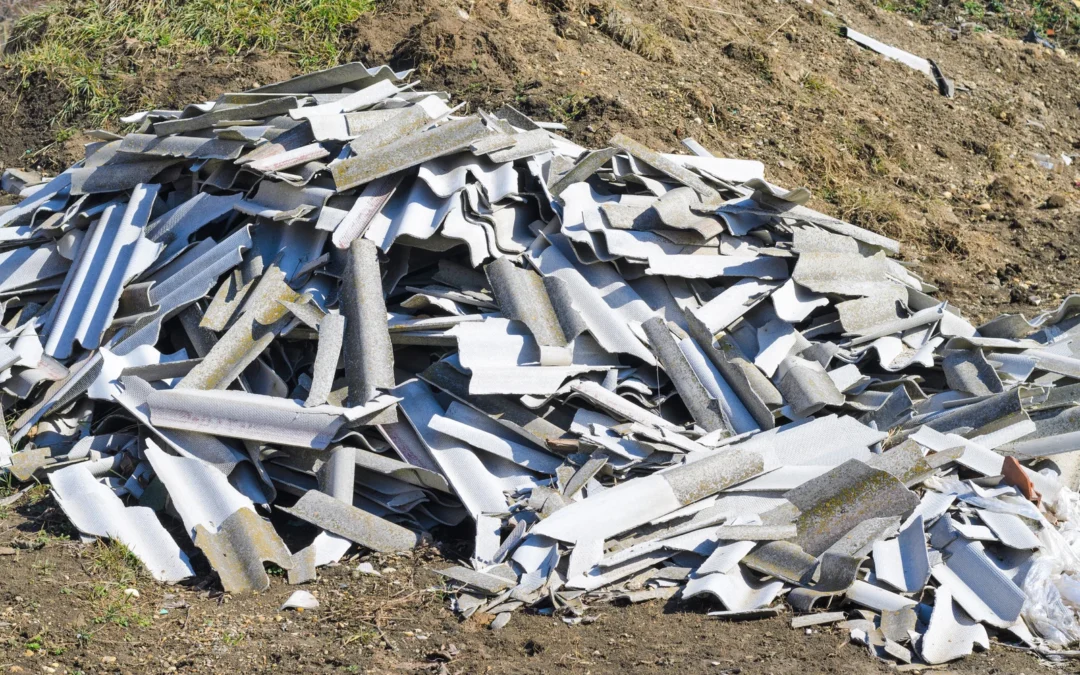
Asbestos-containing materials may be present in older buildings, including certain insulation, flooring materials, roofing products, cement products, pipe components, and other building materials. When these materials are disturbed during renovation or demolition, the resulting waste requires specialized handling rather than being mixed with ordinary construction debris.
For businesses and contractors in Mission, understanding what happens after asbestos is identified is an important part of planning a safe renovation.
Why Asbestos Changes the Waste Plan
Ordinary renovation debris can include materials such as clean wood, drywall, metal, packaging, and other construction waste. Asbestos-containing materials are different.
The primary concern is not simply the material itself. Disturbing asbestos-containing materials can release microscopic fibres into the air. Because of this, suspected asbestos materials should not be casually broken, swept up, placed into regular dumpsters, or transported with general construction waste.
Once asbestos is confirmed or suspected, the renovation waste plan may need to change to account for:
- Proper assessment and identification
- Safe removal by appropriately qualified workers
- Controlled handling and packaging
- Dedicated transportation requirements
- Appropriate disposal facilities
- Documentation and regulatory requirements
This is why Asbestos Waste Disposal Mission should be considered before demolition or renovation waste begins accumulating.
Where Asbestos Waste Can Appear During a Commercial Renovation
Asbestos is not limited to one particular type of building material. Older commercial properties can contain asbestos in a variety of applications.
Potential locations may include:
Flooring and Adhesives
Some older floor tiles, sheet flooring, backing materials, and adhesives may contain asbestos. Removing flooring without first determining what the material contains can create unnecessary exposure risks.
Insulation and Mechanical Systems
Older insulation around pipes, ducts, boilers, and mechanical components may contain asbestos. Renovations involving mechanical rooms can therefore require additional planning.
Roofing and Exterior Materials
Certain older roofing and cement-based products may contain asbestos. Cutting, breaking, drilling, or demolishing these materials can turn them into a specialized waste stream.
Walls, Ceilings and Building Components
Some older building materials used in walls, ceilings, panels, and other areas may contain asbestos.
The important point is that appearance alone cannot confirm whether a material contains asbestos. If asbestos is suspected, appropriate assessment should be completed before disturbing the material.
What Should Happen When Asbestos Is Discovered?
Finding suspected asbestos during a renovation does not necessarily mean the entire project has to stop permanently. It means the affected material needs to be handled through the appropriate process.
A sensible response is:
- Stop disturbing the suspect material.
Do not cut, drill, break, sand, sweep, or otherwise disturb material that may contain asbestos. - Keep people away from the affected area.
Restrict access as appropriate while the material is assessed. - Arrange appropriate assessment.
A qualified professional can determine whether asbestos is present and advise on the required controls. - Use qualified asbestos professionals for removal when required.
Asbestos removal should be performed according to applicable safety requirements. - Keep asbestos waste separate.
Do not mix asbestos-containing waste with ordinary renovation debris. - Arrange appropriate disposal.
The material needs to be packaged, transported, and disposed of through the applicable waste-management process.
This separation is essential because asbestos waste should not simply become another load of construction debris.
Why Mixing Asbestos With Regular Commercial Waste Is a Problem
A renovation dumpster can contain dozens of different materials. Once asbestos-containing waste is mixed into that load, identifying and managing the contaminated material becomes considerably more complicated.
It can also create concerns for:
- Workers handling the waste
- Contractors and subcontractors
- Waste transportation personnel
- Property owners and managers
- Future occupants
- Disposal facilities
Businesses arranging commercial waste disposal must therefore identify asbestos-containing materials before scheduling general construction waste collection.
The goal is not simply to remove the largest volume of waste from a site. It is to make sure each waste stream goes through the appropriate handling and disposal route.
What About Other Hazardous Waste During the Renovation?
Asbestos may not be the only concern uncovered during a commercial renovation.
A building cleanout or demolition project can also reveal:
- Old paints and coatings
- Solvents and chemical products
- Batteries
- Fluorescent lamps
- Used oils
- Contaminated absorbents
- Electronic waste
- Unidentified containers
- Other potentially hazardous materials
These materials should not automatically be placed together. Their handling requirements can differ depending on their composition and condition.
That is where a broader Hazardous Waste Disposal Mission plan can become useful. Businesses can identify hazardous materials separately from ordinary construction debris and arrange the appropriate waste stream for each.
Planning Asbestos Waste Before the Dumpster Arrives
One of the easiest ways to create confusion during a renovation is to order a general waste container before understanding what materials the project will generate.
Before demolition or major removal begins, contractors and property managers should consider:
- Has the building or affected area been assessed for asbestos where required?
- Are suspected asbestos-containing materials clearly identified?
- Who is responsible for removal?
- How will asbestos waste be packaged and stored?
- How will the asbestos waste be transported?
- Where will it be taken for disposal?
- What other hazardous materials could be uncovered?
- Which materials can actually go into the regular construction waste stream?
Planning these questions early helps prevent hazardous materials from being accidentally mixed with ordinary debris.
Mission Renovations Need a Waste Plan That Matches the Materials
A commercial renovation does not produce one universal type of waste. The final waste stream depends on what is being removed from the building.
Clean construction materials, recyclable materials, general garbage, asbestos-containing materials, and other hazardous products may all require different handling.
For Mission businesses, contractors, and property managers, that means waste planning should begin before demolition—not after the dumpster is already full.
If asbestos is discovered unexpectedly, the safest approach is to stop disturbing the material and obtain appropriate professional advice before proceeding.
Asbestos found during a Mission renovation cannot be treated like ordinary debris. Once asbestos-containing material is identified or suspected, the project needs an appropriate plan for assessment, removal, packaging, transportation, and disposal.
Separating asbestos from general construction waste also makes the broader renovation cleanup easier to manage and helps ensure other hazardous materials are not overlooked.
If your Mission commercial renovation has generated asbestos-containing materials or other regulated waste, Canadian Empire Recycling & Disposal can help you discuss the appropriate waste-management and collection options for your project. Contact Canadian Empire Recycling & Disposal team to plan your waste removal before the next load leaves the site.