
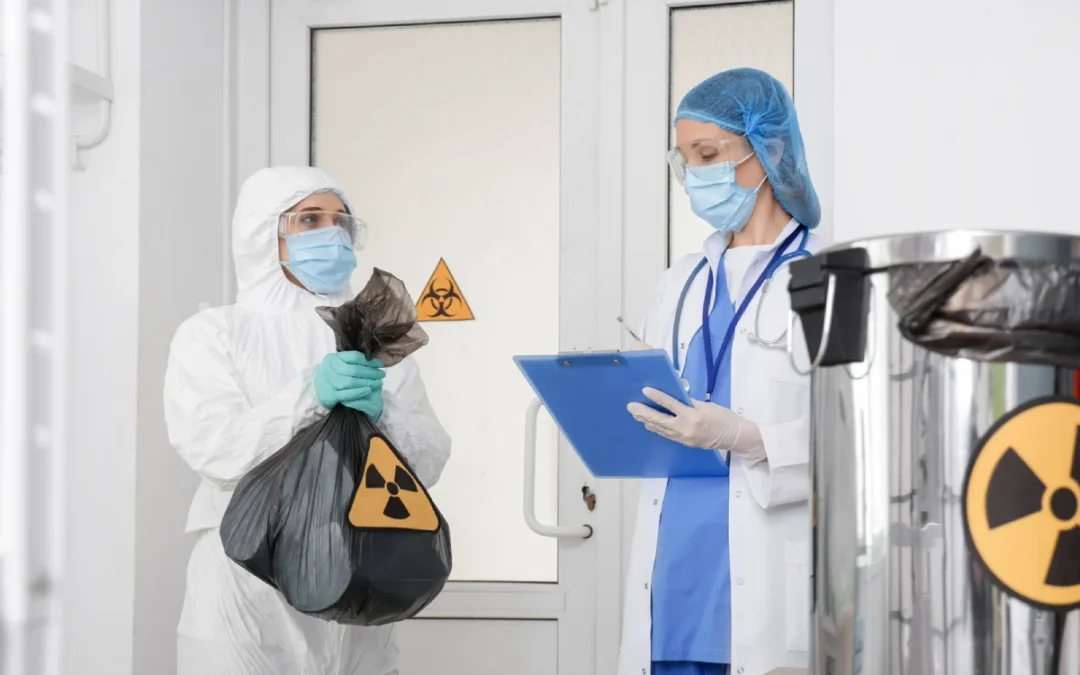
Quick Answer: Hazardous waste should not be treated like ordinary commercial garbage simply because it is being discarded. Chemicals, solvents, oils, certain paints, batteries, and other potentially dangerous materials may require specialized handling, transportation, and disposal. Maple Ridge businesses should identify these materials early, keep them secure, and confirm the correct disposal route before sending them off-site.
For businesses dealing with unwanted or accumulated hazardous materials, arranging Hazardous Waste Disposal Maple Ridge services can help ensure the waste is handled through an appropriate disposal process instead of entering the regular garbage stream.
A Commercial Cleanup Can Reveal More Hazardous Waste Than Expected
Hazardous waste often isn’t produced during one obvious event.
It can accumulate quietly in a maintenance room, workshop, warehouse, storage area or back corner of a commercial property.
A business may discover:
- Partially used chemical products
- Old solvents and degreasers
- Waste oils and petroleum products
- Certain paints, stains and coatings
- Batteries and aerosol containers
- Cleaning chemicals
- Contaminated absorbents
- Unwanted products with hazard labels
- Unknown containers left behind by previous occupants
The problem usually appears when someone needs to clear the space quickly.
That is when potentially hazardous materials can accidentally end up in a general garbage bin.
Start With an Inventory, Not a Dumpster
If you’re cleaning a commercial property in Maple Ridge, don’t begin by throwing everything into one container.
Start by walking through the property and identifying products that may require special handling.
Look at:
Product labels:
Warning symbols and hazard information can provide an initial indication that a product needs special treatment.
Safety Data Sheets:
For workplace products, an SDS can provide useful information about hazards, storage and handling.
Container condition:
Damaged, leaking, corroded or swollen containers need particular care.
Unknown materials:
Never assume an unidentified liquid or powder is harmless simply because the container is small.
This inventory can make the rest of the cleanup much more organized.
Four Questions to Ask Before Disposal
Instead of guessing whether something belongs in the garbage, work through four basic questions.
What Is It?
Identify the product and its contents as accurately as possible.
If the original label is available, keep it with the container. If the material is unidentified, don’t mix it with other products.
Is It Still Usable?
Some products may still be usable, but unwanted material should not simply be passed to another person or poured down a drain. Follow appropriate handling and disposal guidance for the product.
How Much Is There?
Quantity can affect transportation, handling and disposal requirements.
A few small containers and several drums of commercial waste are not necessarily treated in exactly the same way.
Where Can It Go?
Confirm the disposal facility or service before loading the material.
A facility that accepts household hazardous products may not necessarily accept commercial quantities or every type of hazardous material.
Why Businesses Should Plan Hazardous Waste Separately
General waste removal and hazardous waste management are two different tasks.
A regular garbage collection service is not automatically equipped to manage every chemical or hazardous product generated by a business.
Separating these materials early can reduce the possibility of:
- Chemical spills
- Incompatible materials being mixed
- Exposure to workers
- Damage to waste-handling equipment
- Contamination of other waste
- Last-minute disposal problems
For a business owner, planning ahead also makes the cleanup easier to document and manage.
Maple Ridge Businesses May Encounter Hazardous Waste During These Projects
Renovation and Demolition
Commercial renovations can uncover old paints, coatings, adhesives, solvents and maintenance products that have been stored for years.
Before demolition or major cleanup begins, check storage areas rather than assuming everything can go into the construction waste stream.
Warehouse Changes
A warehouse relocation or inventory reduction can uncover products that are expired, damaged or no longer needed.
Separating hazardous materials from ordinary inventory makes the move safer and more organized.
Property Maintenance
Maintenance departments can gradually accumulate oils, batteries, chemicals and other products.
Without a regular disposal plan, these materials can remain in storage long after the equipment or process they were originally used for is gone.
Business Closure
Closing a business often creates a large amount of unwanted material in a short period.
Hazardous products should be identified before the final garbage pickup or property handover.
What About Old or Unknown Chemicals?
This is one situation where guessing can create unnecessary risk.
An old container may have faded labeling, corrosion or no useful identification at all. Do not open an unknown container just to determine what is inside, and don’t combine its contents with another product.
Keep it isolated and seek appropriate guidance for identification and disposal.
If the business has several unknown containers, creating an inventory with photographs, labels and available product information can help a waste professional determine the next step.
Don’t Forget the Transportation Step
Disposal does not begin and end at the facility.
The way hazardous materials are packaged, secured and transported can matter as much as the destination.
Before moving commercial hazardous waste, confirm:
- Whether the material requires specific packaging
- Whether containers need to remain upright or secured
- Whether incompatible materials must remain separated
- Whether transportation requirements apply to the material and quantity
- Whether the receiving facility has confirmed acceptance
If you’re unsure, get the requirements confirmed before putting the waste into a vehicle.
What Should Businesses Keep After Disposal?
Once the waste has been accepted, keep the available documentation.
Depending on the service, this may include receipts, weight records, manifests or other disposal documentation.
These records can help a business maintain an internal waste history and demonstrate where certain materials were sent.
For larger cleanouts, documenting the waste before removal can also make the project easier to track from start to finish.
Choosing a Disposal Service in Maple Ridge
The closest waste facility is not necessarily the right destination for every hazardous material.
Before arranging service, businesses should consider:
- What materials need to be removed
- Approximate quantities
- Whether containers are intact
- Whether the waste needs pickup or can be transported
- What documentation is available
- Whether the receiving facility has confirmed acceptance
A little planning can prevent a situation where hazardous materials are sitting on-site because the first disposal option cannot accept them.
A Simple Rule for Business Owners
If you are not certain that a product belongs in regular garbage, stop before you throw it away.
Identify the material, keep it contained, separate it from incompatible products, and confirm the appropriate disposal route.
That small pause can prevent a much larger problem later.
Need to Clear Hazardous Waste From Your Maple Ridge Business?
A commercial cleanup is easier when hazardous materials are identified and dealt with separately from ordinary garbage. Canadian Empire Recycling can help businesses with appropriate hazardous waste disposal options and commercial waste management.
Contact Canadian Empire Recycling before transporting your materials to confirm current acceptance requirements and discuss the right disposal option for your Maple Ridge business.