
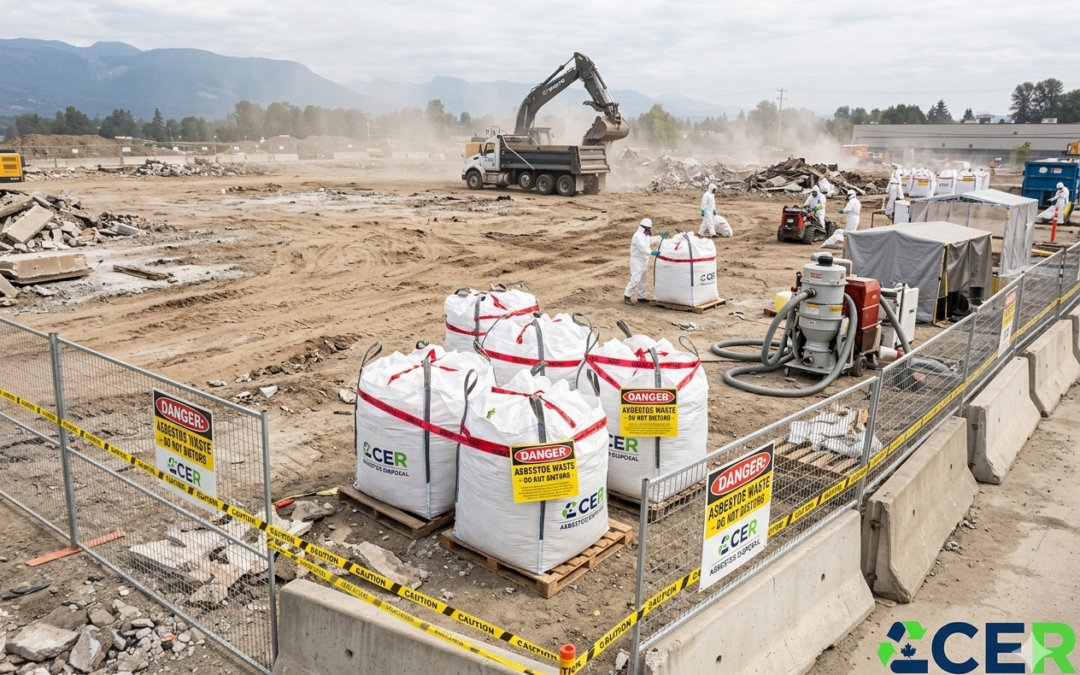
Demolition projects generate large amounts of debris, dust, and hazardous materials that require careful handling and disposal. One of the most dangerous materials commonly found in older buildings is asbestos. When disturbed during demolition, asbestos fibers can become airborne and create serious health risks for workers, property owners, and nearby communities.
Proper asbestos waste disposal is essential after demolition projects to maintain site safety, comply with environmental regulations, and reduce long-term contamination risks. Whether it involves residential properties, commercial buildings, warehouses, or industrial sites, professional asbestos disposal plays a critical role in responsible demolition cleanup.
This guide explains why asbestos waste disposal matters after demolition projects and how proper handling helps protect both people and the environment.
What Is Asbestos and Why Is It Dangerous?
Asbestos is a naturally occurring mineral that was widely used in construction materials for decades because of its heat resistance and durability. It was commonly found in:
- Insulation materials
- Ceiling tiles
- Floor tiles
- Drywall compounds
- Roofing products
- Pipe insulation
- Cement products
Although asbestos-containing materials may appear harmless when intact, demolition activities can break these materials apart and release microscopic asbestos fibers into the air.
Once inhaled, asbestos fibers may cause severe health problems, including:
- Lung disease
- Asbestosis
- Mesothelioma
- Lung cancer
- Chronic respiratory issues
Because asbestos exposure can have long-term health consequences, proper disposal procedures are critical during and after demolition projects.
Older Buildings Often Contain Hidden Asbestos
Many older homes and commercial properties in Maple Ridge were built before asbestos regulations became stricter. As a result, asbestos-containing materials may still exist behind walls, under flooring, inside insulation, or within ceilings.
During demolition, contractors may unknowingly disturb these materials if proper inspections are not completed beforehand. This increases the risk of airborne contamination throughout the property and the surrounding area.
Professional asbestos assessments before demolition help identify hazardous materials and allow safe removal planning before construction debris is handled.
Post-Demolition Cleanup Requires Specialized Safety Procedures
After demolition work is completed, contaminated debris cannot simply be thrown away with regular construction waste. Asbestos waste must be carefully contained, transported, and disposed of according to strict environmental regulations.
Proper asbestos waste disposal procedures typically include:
- Sealing hazardous materials in approved containers
- Using protective safety equipment
- Preventing airborne dust spread
- Following regulated transportation guidelines
- Disposing of waste at authorized facilities
These safety measures help minimize exposure risks during cleanup operations.
Airborne Asbestos Fibers Create Serious Site Hazards
One of the biggest concerns after demolition is airborne asbestos contamination. Even small amounts of disturbed asbestos can release fibers that remain suspended in the air for extended periods.
Without proper containment and cleanup, asbestos fibers can spread through:
- Ventilation systems
- Open windows and doors
- Construction equipment
- Clothing and tools
- Dust particles on surrounding surfaces
This contamination may affect workers, neighboring properties, and future building occupants if not handled correctly.
Proper Waste Containment Helps Protect Workers
Workers involved in demolition and cleanup projects face the highest risk of asbestos exposure. Protective safety procedures are essential to reduce direct contact with hazardous materials.
Professional asbestos disposal teams often use:
- Respirators and protective clothing
- HEPA-filtered vacuums
- Sealed disposal bags
- Controlled work zones
- Dust suppression methods
These precautions help maintain safer working conditions and reduce contamination risks during debris removal.
Environmental Regulations Must Be Followed
Asbestos disposal is heavily regulated because of the material’s hazardous nature. Improper disposal can lead to environmental contamination, legal penalties, and cleanup liabilities.
Regulations often require:
- Approved disposal methods
- Proper labeling of hazardous waste
- Specialized transportation procedures
- Disposal at licensed facilities
- Documentation of removal and disposal
Following proper disposal guidelines helps property owners and contractors avoid costly fines and compliance issues.
Renovation and Demolition Waste Should Never Be Mixed
Construction sites often generate many different types of waste materials. However, asbestos-contaminated debris should never be mixed with standard construction waste.
Separating hazardous materials helps:
- Prevent cross-contamination
- Protect recycling processes
- Improve cleanup efficiency
- Reduce environmental risks
- Maintain regulatory compliance
Proper sorting and disposal procedures are essential for safe post-demolition cleanup.
Professional Disposal Services Reduce Liability Risks
Attempting to handle asbestos waste without professional support can expose property owners and contractors to serious health, environmental, and legal risks.
Professional asbestos disposal services provide:
- Trained in hazardous waste handling
- Safe transportation
- Regulatory compliance support
- Site cleanup expertise
- Proper disposal documentation
Working with experienced professionals helps ensure that demolition sites remain safe and legally compliant throughout the cleanup process.
Why Fast Cleanup Is Important After Demolition
Leaving asbestos-containing debris on a demolition Maple Ridge increases the likelihood of contamination spreading through wind, rain, or human activity.
Quick cleanup helps:
- Reduce airborne fiber exposure
- Improve site safety
- Prevent environmental contamination
- Prepare sites for future construction
- Minimize health risks for nearby communities
Timely asbestos waste disposal is an essential part of responsible demolition project management.
Protect Your Property With Responsible Asbestos Disposal
Proper asbestos waste disposal Maple Ridge protects workers, property owners, future occupants, and the surrounding environment. Safe handling procedures, professional cleanup methods, and regulatory compliance all play an important role in reducing health and contamination risks after demolition projects.
Whether the project involves residential demolition, commercial renovations, or industrial property cleanup, responsible asbestos disposal should always remain a top priority.
Contact Canadian Empire Recycling & Disposal
If you need safe and professional asbestos waste disposal services after a demolition project, contact Canadian Empire Recycling & Disposal, which provides reliable hazardous waste handling and cleanup solutions in Maple Ridge. Their experienced team follows proper safety procedures, environmental regulations, and responsible disposal practices to help keep demolition sites safe, compliant, and environmentally protected. From construction debris cleanup to hazardous material disposal, they provide dependable support for residential and commercial projects.