
As Maple Ridge continues to grow as a hub for construction, transportation, logistics, and commercial services, local businesses are generating increasing amounts of industrial waste, especially used tires. From fleet operators and warehouses to auto repair shops and construction companies, waste is unavoidable. However, how companies manage this waste can have serious environmental, legal, and financial consequences. Tire recycling is not just a responsible practice—it is a vital business necessity for companies operating.
The Environmental Impact of Improper Tire Disposal
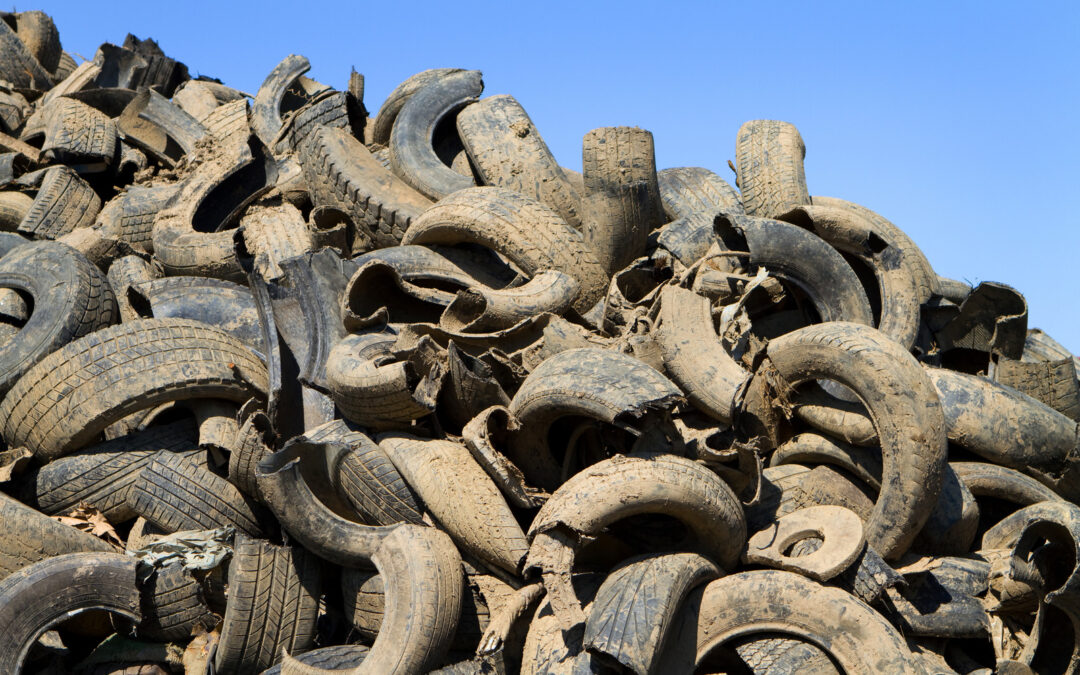
Used tires are one of the most challenging waste materials to manage. They do not decompose easily and take up significant space in landfills. When improperly disposed of, tires can trap water and become breeding grounds for mosquitoes, increasing public health risks. In addition, tire piles are highly flammable and extremely difficult to extinguish once ignited, posing a serious fire hazard to nearby properties and ecosystems.
Recycling helps prevent these environmental risks by diverting waste from landfills and converting old tires into reusable materials such as rubber mulch, asphalt additives, and fuel alternatives. For companies, adopting Tires Recycling Maple Ridge practices demonstrates environmental responsibility while actively contributing to local sustainability goals.
Legal and Regulatory Compliance for Businesses
British Columbia enforces strict waste management regulations for commercial and industrial operations. Businesses that fail to dispose properly can face inspections, fines, or even operational shutdowns. These regulations are designed to protect the environment and public safety, but they also place a responsibility on companies to partner with licensed recycling providers.
Proper tire recycling ensures compliance with provincial and municipal waste disposal laws. Maple Ridge businesses that proactively manage tire waste avoid legal complications and show regulators that they are operating responsibly. Staying compliant not only protects your business from penalties but also builds credibility with clients and stakeholders.
Reducing Business Liability and Safety Risks
Stockpiling used tires on commercial property creates safety hazards. Tires can attract pests, release toxic chemicals when exposed to heat, and increase fire risks. For businesses with employees, customers, or tenants on-site, unmanaged waste can lead to workplace injuries or property damage.
By integrating tire recycling into their overall Commercial Waste Disposal Maple Ridge strategy, companies can maintain cleaner, safer work environments. This reduces liability risks, supports occupational health standards, and ensures smoother daily operations—especially for businesses handling large vehicle fleets or heavy equipment.
Supporting a Circular Economy
Recycling tires plays an important role in supporting the circular economy. Instead of being discarded, recycled tires are processed and repurposed into valuable products used in construction, landscaping, playground surfaces, and road paving. This reduces the need for virgin raw materials and lowers greenhouse gas emissions associated with manufacturing.
For Maple Ridge companies, participating in tire recycling supports broader environmental initiatives while aligning with corporate social responsibility goals. Customers and partners increasingly prefer to work with businesses that demonstrate sustainability and waste reduction efforts.
Protecting Local Communities and Ecosystems
Maple Ridge is surrounded by natural beauty, rivers, forests, and residential neighborhoods. Improper disposal can lead to soil contamination and water pollution, especially when tires are dumped illegally or left exposed to the elements. Harmful chemicals can leach into the ground and affect nearby ecosystems.
Businesses that recycle responsibly help protect the local environment and community health. Proper waste handling also complements other responsible practices, such as Hazardous Waste Disposal Maple Ridge, ensuring that all potentially harmful materials are managed safely and professionally.
Enhancing Brand Reputation and Customer Trust
Sustainability is no longer optional; it is a key factor in business reputation. Clients, investors, and partners increasingly evaluate companies based on their environmental practices. Businesses that recycle and manage waste responsibly position themselves as forward-thinking and trustworthy.
Demonstrating responsible recycling can also support certifications, green initiatives, and ESG goals. Whether you operate a logistics company, an auto service center, or a construction firm, showing commitment to sustainability helps differentiate your brand in a competitive market.
Working with Trusted Recycling Professionals
Managing waste internally can be time-consuming and inefficient. Professional recycling services simplify the process by handling collection, transportation, and compliant disposal. Working with an experienced provider ensures that tires are recycled properly and documentation is available for audits or inspections.
Many Maple Ridge companies rely on established waste management partners like Canadian Empire Recycling to handle tire recycling as part of a broader commercial waste solution. Their expertise helps businesses streamline operations, reduce risk, and stay compliant with environmental regulations.
Choose Responsible Tire Recycling
Tire recycling is essential for companies looking to operate safely, sustainably, and legally. From environmental protection and regulatory compliance to workplace safety and brand reputation, the benefits are clear. Responsible recycling is not just about waste removal; it’s about protecting your business, your community, and the environment.
For reliable and professional commercial recycling services, Canadian Empire Recycling offers trusted solutions tailored to the needs of Maple Ridge businesses. Contact Canadian Empire Recycling to ensure your waste is handled efficiently, responsibly, and in full compliance with local regulations.