
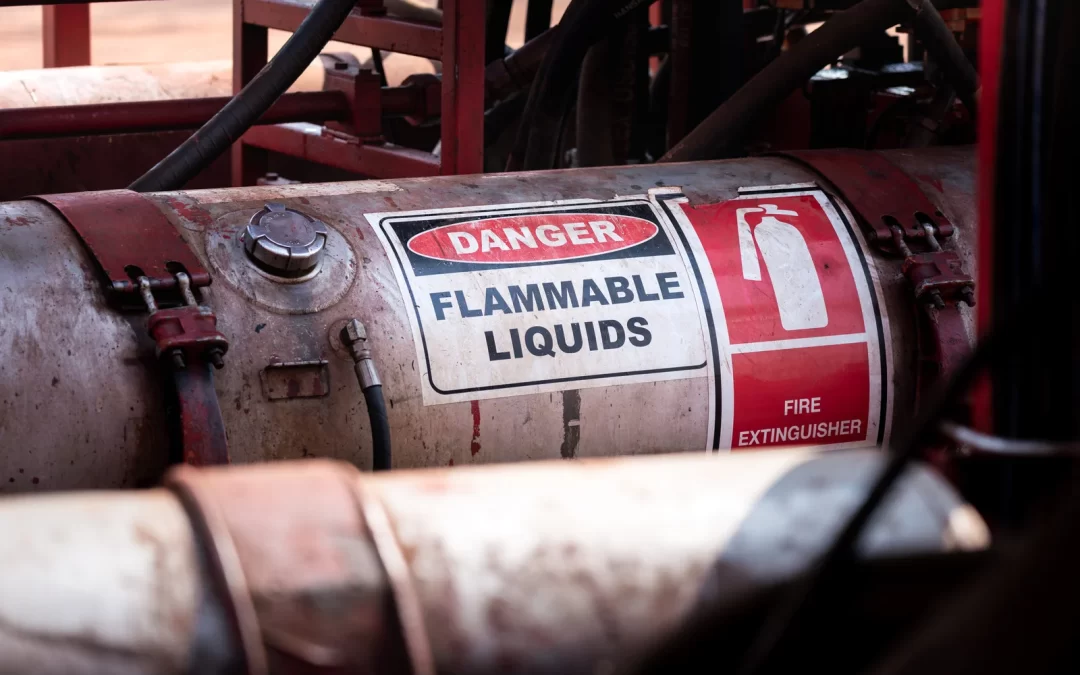
Storing flammable waste safely is one of the most important responsibilities for homeowners, tenants, and business operators in Maple Ridge. Even everyday products like solvents, fuels, paints, and cleaning agents can become dangerous if they are not kept in the right place or handled correctly. Fires caused by improper waste storage are preventable, and learning the right steps can protect your property, your family, and your neighbourhood.
Understanding What Counts as Flammable Waste
Before focusing on storage, it helps to understand what qualifies as flammable waste Maple Ridge. Many households and workplaces handle items that ignite quickly or release vapours that can burn. Some common examples include:
- Gasoline, diesel, and kerosene
- Lacquers, varnishes, and thinners
- Aerosol cans
- Alcohol-based cleaners
- Adhesives and glues
- Solvent-soaked cloths
- Oil or fuel residues
- Small propane cylinders
These materials need extra care because heat, friction, sparks, or open flames can set them off. Even a small mistake—like tossing a half-empty paint can into the wrong bin—can create a serious safety issue.
Why Proper Storage Matters in Maple Ridge
Flammable waste can react to temperature changes, sunlight, or a simple shift in air pressure. Maple Ridge experiences warm summers, cool winters, and plenty of moisture, which means the wrong storage spot can quickly create hazards. A container left outdoors in direct sun may swell or leak. An item placed near a furnace or heater can ignite without warning.
Good storage is not just about convenience. It is a key part of fire prevention, environmental protection, and community safety. Proper handling reduces the chance of explosions, fumes, and contamination.
Choose the Right Containers
Safe storage always starts with the right container. Flammable waste should never be kept in random bottles, cracked cans, or unsealed jars. Instead, choose sturdy, sealed containers designed for reactive materials.
Approved containers include:
- Metal safety cans with flame arrestors
- Heavy-duty plastic containers rated for flammable liquids
- Original manufacturer packaging, if undamaged
- Airtight jars for small amounts of residue
Avoid storing anything in containers that are rusted, dented, or incompatible with the material. For example, some chemicals eat through thin plastic. When in doubt, use purpose-built containers with clear labels.
Keep Storage Areas Cool and Ventilated
Any flammable waste should be stored in a cool, dry location away from heat sources. A ventilation-friendly space helps prevent vapour buildup, which lowers ignition risks.
Good storage areas include:
- Outdoor sheds with airflow
- Dedicated cabinets made for flammable materials
- Utility rooms with no heaters or appliances
- Garage shelves are located far from pilot lights
Never store flammable waste in:
- Basements with furnaces
- Enclosed closets
- Areas with poor airflow
- Spaces exposed to direct sun
Temperature control is essential. Even a small rise can cause vapours to expand and pressure to increase inside sealed containers.
Label Everything Clearly
Unlabelled containers create confusion and accidents. Maple Ridge households often collect assorted bottles and cans over the years, and once labels fade or peel off, it becomes difficult to know what is inside.
Always attach readable labels showing:
- The type of waste
- The potential hazard
- The date it was stored
- Any handling instructions
This helps everyone in the home or workplace stay informed and prevents accidental mixing of incompatible materials.
Avoid Storing Large Volumes
The safest approach is to keep small amounts and dispose of materials regularly. Large volumes increase danger and complicate emergency response.
If you accumulate waste through home projects, vehicle maintenance, or routine cleaning, try to schedule drop-offs at appropriate disposal sites. This prevents overcrowding in storage areas and reduces overall risk.
Hazardous Waste Disposal Maple Ridge helps residents handle unwanted materials through safe collection programs, community drop-off options, and regulated handling guidelines. With these services available, there is no need to allow hazardous items to sit around for long periods.
Keep Waste Away From Living Areas
A simple but critical habit is to avoid storing flammable waste in places where people gather. Bedrooms, kitchens, playrooms, and living spaces should always stay clear of anything reactive.
Keep all waste in isolated zones and ensure that children and pets cannot reach any containers. Even closed cabinets should be locked or placed out of reach when storing dangerous items.
Plan for Emergencies
Even with excellent storage habits, it is wise to stay prepared. Keep a suitable fire extinguisher nearby, preferably a Class B type designed for flammable liquids. Ensure everyone in the home or workplace knows where it is and how to use it.
Avoid smoking or using open flames near waste storage areas. Simple actions like this dramatically lower the risk of accidents.
Where to Take Flammable Waste in Maple Ridge
Many residents are unsure where to bring hazardous items or which materials qualify for safe drop-off. This uncertainty leads to old paint, fuel, and chemicals sitting around longer than they should.
Contact Canadian Empire Recycling, which offers guidance for safe disposal and responsible recycling of complicated materials. Contact their team if you need help understanding disposal rules or preparing items for transport to a proper facility.
Canadian Empire Recycling also provides support for people who want to manage reactive materials correctly, helping both residents and businesses reduce risks and follow community safety expectations.
Storing flammable waste correctly is one of the most effective ways Maple Ridge residents can reduce fire hazards and keep their homes safe. With proper containers, clear labels, good ventilation, and regular disposal habits, dangerous materials stay under control. By staying informed and using the right local services, anyone can manage these items with confidence and care.