
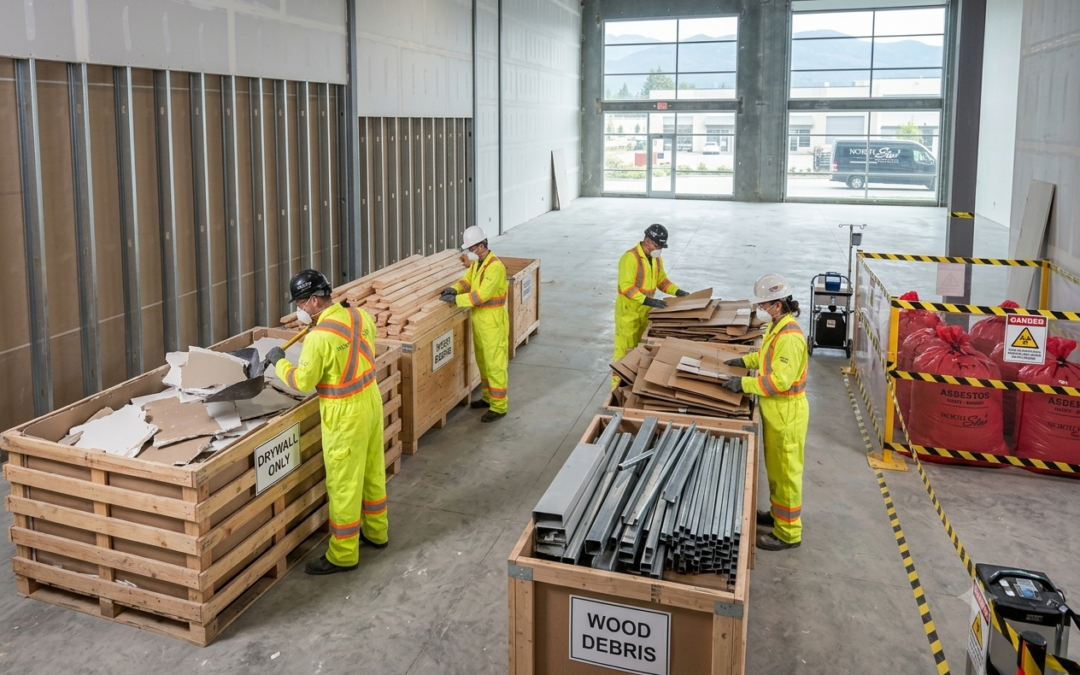
A commercial renovation can leave behind far more than drywall, wood, flooring, and packaging. In older buildings, renovation work may also uncover materials that require specialized handling, particularly when asbestos-containing materials are present. Once demolition or renovation is complete, businesses need a clear plan for separating, handling, transporting, and managing the different waste streams generated by the project.
This becomes especially important when a commercial property contains a mixture of ordinary renovation debris and materials that require additional controls. Treating everything as general waste can create unnecessary risks and complicate the cleanup process.
For businesses planning Commercial Waste Disposal, understanding what happens to renovation waste after the work is finished can help property owners and contractors organize the site more effectively and avoid preventable waste-management problems.
Why Commercial Renovations Generate Different Types of Waste
Commercial renovation projects can produce several waste streams at the same time. Depending on the scope of the work, a contractor may remove interior finishes, fixtures, flooring, insulation, cabinetry, mechanical components, packaging, and structural materials.
Common renovation waste can include:
- Wood and framing materials
- Drywall and gypsum
- Metal components
- Flooring materials
- Cardboard and packaging
- Old fixtures and equipment
- Roofing materials
- Insulation
- Concrete and masonry
- Demolition debris
Some materials can potentially be recycled or recovered, while others require specialized handling. This is why a commercial waste plan should be established before demolition begins rather than waiting until the end of the project.
What Happens to Construction Waste After Renovation?
The first step is generally to identify and separate the different materials generated during the project.
For example, clean metal may have recycling potential, while clean wood can sometimes be diverted from disposal. Cardboard and other recyclable materials may also be separated when practical.
This approach helps prevent recyclable materials from becoming mixed with general debris unnecessarily.
A well-organized construction waste Langley plan can therefore help businesses manage the cleanup more efficiently while supporting better material recovery.
Why Asbestos Changes the Waste-Management Process
Asbestos-containing materials require a different approach from ordinary renovation debris.
Older commercial buildings can contain asbestos in a range of building products. The material may not be obvious before renovation begins because it can be located behind walls, under flooring, above ceilings, or within older building components.
If asbestos is suspected, the material should not simply be placed into a regular construction waste container. Appropriate assessment and controls are needed before affected materials are removed and managed.
This is one of the key reasons Asbestos Waste Disposal Langley needs to be considered separately from standard commercial cleanup.
Why Waste Segregation Matters
One of the most important parts of post-renovation waste management is keeping different waste streams separated.
When asbestos-containing materials become mixed with ordinary construction debris, the entire waste stream can become more difficult to manage. Clean recyclable materials may also lose their recovery potential if they become contaminated or unnecessarily mixed with other waste.
Proper segregation can help businesses:
- Keep hazardous or specialized materials separate
- Protect workers from unnecessary exposure
- Improve recycling opportunities
- Reduce cross-contamination concerns
- Make transportation arrangements easier
- Maintain a more organized worksite
The exact requirements depend on the materials involved and the applicable workplace and environmental rules.
How Asbestos Waste Is Managed After Removal
Once asbestos-containing materials have been appropriately removed, they need to remain controlled through the waste-management process.
The material may require suitable packaging, identification, transportation, and disposal arrangements. These steps help prevent fibres from being released and reduce the possibility of asbestos waste being mixed with ordinary renovation debris.
The waste should be handled through an appropriate disposal process rather than treated like regular garbage.
For commercial property owners, this means asbestos planning should be part of the renovation strategy from the beginning instead of being treated as an afterthought.
What Commercial Property Owners Should Do Before Renovation
A little planning before work begins can make the cleanup process considerably easier.
Review the Building’s History
If the building is older, property owners should consider whether previous construction records, renovation information, or other documentation can provide useful information about existing materials.
Assess Suspected Materials
Where asbestos may be present, appropriate assessment should be completed before materials are disturbed.
Create a Waste-Separation Plan
Businesses should identify which materials will be handled as general construction debris, which may be recyclable, and which require specialized management.
Coordinate Contractors
Everyone involved in the renovation should understand how different waste materials will be handled. Clear communication can prevent workers from accidentally mixing specialized waste with general debris.
Arrange Waste Services in Advance
Waiting until demolition is finished to figure out where everything will go can create unnecessary delays. Businesses can improve project coordination by arranging suitable waste-management services before major work begins.
What About Materials That Can Be Recycled?
Not every item removed from a commercial building needs to go directly to disposal.
Depending on its condition and the available recycling options, materials such as metal, cardboard, clean wood, and certain other components may be recoverable.
Separating these materials at the source can reduce the amount of mixed waste generated by the project.
However, potentially asbestos-containing materials should not be treated as ordinary recyclable construction materials. They need to remain within the appropriate specialized waste stream.
This distinction is particularly important when a renovation produces both recyclable materials and asbestos-related waste.
How Poor Waste Planning Can Affect a Commercial Project
Waste management is often treated as one of the final steps of a renovation, but poor planning can affect the project well before the cleanup stage.
If containers are not suitable for the waste being generated, if recyclable materials are mixed, or if specialized waste is discovered unexpectedly, contractors may have to reorganize their workflow.
For larger commercial projects, these issues can affect scheduling, labor requirements, site organization, and overall cleanup costs.
Planning the waste stream alongside the renovation schedule gives businesses a clearer picture of what needs to happen once materials are removed.
When Should Businesses Arrange Commercial Waste Services?
Ideally, waste services should be considered during the planning stage of a commercial renovation or demolition project.
The appropriate timing depends on the project’s size, waste volume, materials involved, and expected schedule. Larger projects may require ongoing waste removal rather than a single pickup at the end.
Businesses should also communicate any known or suspected asbestos concerns before arranging waste transportation. This allows the waste-management provider to understand the nature of the materials and determine the appropriate service requirements.
The Importance of Specialized Waste Management
Commercial renovation waste is not always straightforward. A single project can involve recyclable materials, general construction debris, bulky items, and specialized waste that needs additional controls.
A professional waste-management approach helps businesses avoid treating all materials the same.
For Langley property owners, contractors, and facility managers, understanding the difference between ordinary renovation debris and asbestos-containing materials is particularly important when working on older commercial properties.
After a commercial renovation, the waste left behind should be managed according to the type and condition of each material. Recyclable materials can be separated where appropriate, general debris can follow the applicable commercial waste stream, and asbestos-containing materials require specialized handling and disposal.
Planning these waste streams before renovation begins can help businesses reduce confusion, protect workers, improve material recovery, and keep cleanup operations organized. If you need Commercial Waste Disposal Langley for a renovation, demolition, or commercial cleanup project, Canadian Empire Recycling & Disposal can help coordinate practical waste-management solutions based on your project’s materials and requirements. Contact Canadian Empire Recycling & Disposal to discuss your commercial waste needs and plan the appropriate removal and disposal services.