Quick answer: Before scheduling a hazardous waste pickup, Coquitlam businesses should identify each waste material, estimate its quantity, check container condition, separate incompatible substances, confirm collection requirements and prepare relevant records. These steps help prevent collection delays, reduce handling risks and support compliance with British Columbia’s hazardous waste regulations. Businesses should also confirm that their waste type can be accepted by the selected service provider before arranging transportation.
Why Should Businesses Prepare Before Scheduling Hazardous Waste Collection?
Commercial properties can generate different types of hazardous waste through maintenance, manufacturing, construction, cleaning and equipment servicing. Examples include used oil, solvents, paint-related materials, corrosive chemicals, batteries and certain contaminated materials.
Scheduling collection without understanding what is being stored can create problems. A service provider may need additional information, suitable containers or a different collection arrangement before the materials can be transported.
For businesses arranging Hazardous Waste Disposal Coquitlam, preparation should begin with a clear understanding of the materials on-site rather than simply estimating how many containers need to be removed.
A proper pre-pickup review helps businesses communicate accurate information, plan collection access and avoid last-minute changes.
8 Things Coquitlam Businesses Should Check Before a Hazardous Waste Pickup
1. Identify Every Waste Material
Start by creating an inventory of the hazardous materials waiting for collection. Do not rely only on the appearance of a liquid, powder or container to determine what it contains.
Review available product labels, Safety Data Sheets (SDS), workplace records and previous waste inventories. Record the material’s name and any relevant hazard information.
Common commercial waste categories may include:
- Used oil and oil filters
- Paint and paint-related waste
- Cleaning chemicals and solvents
- Flammable liquids and solids
- Corrosive and oxidizing materials
- Batteries and mercury-containing materials
- Pesticides and herbicides
- Certain asbestos-containing waste
Accurate identification helps the collection provider determine whether the material is accepted and what handling arrangements may be required.
2. Estimate the Quantity of Each Waste Type
The quantity of hazardous waste can affect transportation documentation, container requirements and collection planning.
Before requesting a pickup, estimate the amount of each material separately. Use litres for liquids, kilograms for solids and the appropriate capacity information for compressed-gas containers.
Avoid combining different waste categories into one overall estimate. For example, a business storing used oil, paint waste and cleaning solvents should record each category separately.
British Columbia’s Hazardous Waste Regulation establishes specific thresholds for generator registration and transportation documentation. Some requirements depend on the type and quantity of waste generated or transported, so businesses should check the applicable rules rather than assume that every small quantity follows the same process.
3. Inspect Containers for Damage or Leakage
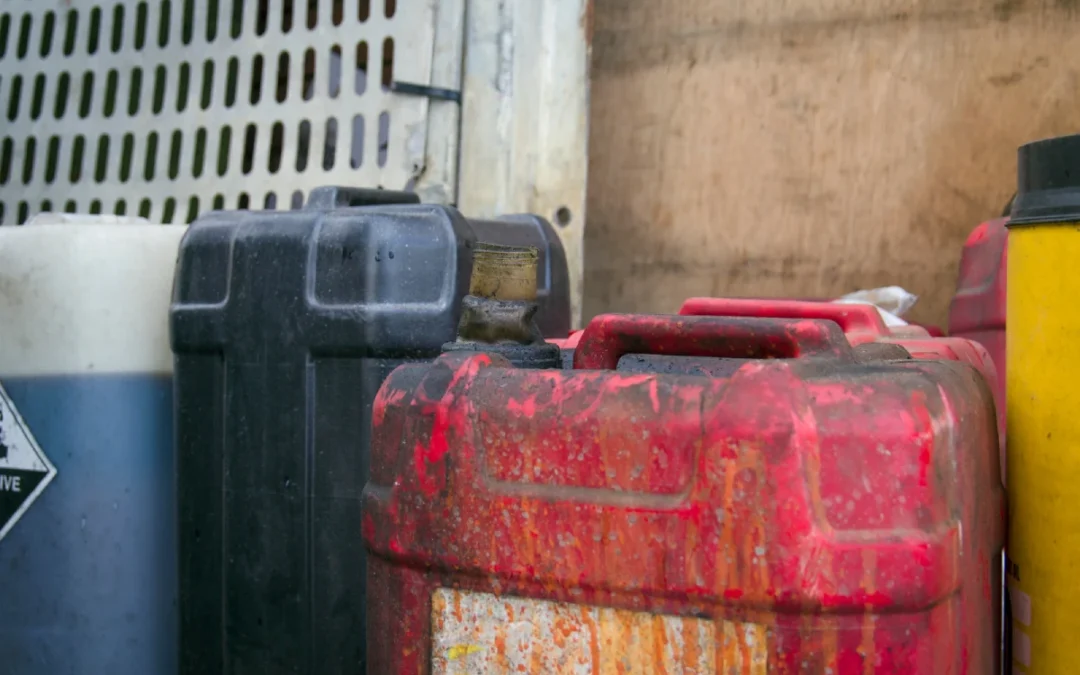
Container condition is an important part of pickup preparation. A damaged, corroded or leaking container may create additional handling and transportation concerns.
Before collection, check for:
- Cracks, dents or damaged closures
- Rust or corrosion around container seams
- Leaking lids, valves or caps
- Swelling or visible pressure damage
- Missing or unreadable labels
- Residue around the outside of containers
Do not open, transfer or repackage unknown hazardous materials simply to make collection easier. If a container is leaking, unstable or potentially reactive, keep people away from the affected area and seek appropriate professional guidance.
BC regulations require compatible containers for hazardous waste storage and transportation. Containers must remain closed and be handled in a way that prevents leakage or rupture.
4. Keep Incompatible Waste Materials Separate
Different hazardous materials should not automatically be placed together because they are stored at the same property.
Certain combinations can produce heat, toxic gases, corrosive substances or other dangerous reactions. For example, some acids and alkaline products can react when mixed, while oxidizing materials may create additional risks when stored with incompatible substances.
Businesses should:
- Keep different waste categories identified.
- Avoid combining unidentified liquids or solids.
- Maintain separation between incompatible materials.
- Use suitable containers for the specific waste.
- Follow applicable storage and segregation requirements.
This is particularly important for workshops, warehouses, maintenance facilities and commercial buildings where several departments may generate different waste streams.
5. Confirm Labels and Available Waste Records
Clear identification makes it easier to review a collection request and prepare the appropriate transportation documentation.
Check whether each container has an accurate label showing the waste’s identity and relevant hazard information. Gather supporting records, including available SDS documents, waste inventories, generation dates and previous collection information.
For regulated shipments, British Columbia uses hazardous waste manifests to track the movement of waste from the consignor through the carrier to the receiving facility. A manifest records information such as the waste type, quantity and parties involved. It is required above the prescribed thresholds, subject to applicable exemptions.
6. Check Site Access and Collection Conditions
Even when waste is correctly identified and packaged, restricted site access can complicate collection.
Before confirming a pickup date, review the collection area and consider:
- Whether the vehicle can reach the designated loading area
- Whether gates, security procedures or access codes are required
- Whether containers are obstructed by equipment or stored inventory
- Whether loading areas have sufficient working space
- Whether collection must be coordinated with operating hours
- Whether site-specific safety procedures apply
For multi-tenant commercial buildings, warehouses and industrial properties, assign a contact person who can coordinate access and communicate site requirements to the collection team.
7. Confirm the Waste Is Accepted by the Collection Provider
Not every service provider accepts every hazardous material. Acceptance can depend on the waste classification, condition, quantity, packaging and the receiving facility’s authorization.
Before booking, provide an accurate description of each material and ask whether it can be collected.
Canadian Empire Recycling & Disposal lists commercial waste categories such as paint-related materials, flammable waste, corrosive waste, oil waste, batteries, asbestos waste and pesticides among its accepted materials. Its Coquitlam commercial pickup page also identifies materials that are not accepted, including radioactive waste, flares and fireworks. Always confirm the current acceptance requirements for your specific material before arranging collection.
8. Confirm Collection Timing and Transportation Documentation
Once the waste inventory, quantities, container condition and site access have been reviewed, businesses can discuss a suitable collection arrangement.
Ask the provider about:
- Available collection dates
- Required preparation before arrival
- Any special packaging or handling instructions
- Applicable transportation documents
- Whether a manifest or other shipping document is required
- The authorized receiving facility for the waste
For regulated quantities, transportation must follow applicable provincial requirements, including the use of a properly authorized carrier where a licence is required. Businesses should confirm responsibilities with the service provider before the shipment leaves the property.
How Does Hazardous Waste Pickup Fit Into Commercial Waste Management?
Hazardous materials should be managed separately from ordinary commercial waste. Mixing them with general rubbish, recyclable materials or construction debris can create handling complications and may expose workers and the environment to unnecessary risks.
A planned collection process allows businesses to identify different waste streams, arrange appropriate handling and keep relevant records. This is especially useful for facilities that generate waste regularly through maintenance, cleaning, equipment servicing or renovation activities.
When planning Commercial Waste Disposal Coquitlam, businesses should also review which materials can be recycled, which require specialized treatment and which must go to an appropriately authorized receiving facility. The correct route depends on the waste classification and applicable requirements, not simply the container in which the material is stored.
A Practical Pre-Pickup Checklist for Coquitlam Businesses
Use this checklist before contacting a collection provider:
| Preparation Item | What to Confirm |
| Waste identification | Each material has been identified as accurately as possible |
| Quantity estimate | Amounts are recorded separately by waste type |
| Container condition | Containers are suitable, closed and free from visible damage |
| Waste separation | Incompatible materials have not been mixed |
| Labelling | Available labels and hazard information are clear |
| Documentation | Relevant SDS documents, inventories and records are available |
| Site access | Loading area and collection access requirements are known |
| Service acceptance | The provider has confirmed whether the materials can be accepted |
| Transportation | Applicable manifests and carrier requirements have been discussed |
| Collection schedule | A suitable date and site contact have been confirmed |
Completing these checks can make collection planning more straightforward and help businesses identify potential issues before pickup day.
Arrange Hazardous Waste Collection With Canadian Empire Recycling & Disposal
Preparing hazardous waste for collection involves more than arranging a vehicle. Businesses need to understand what materials they have, how they are stored, whether they can be accepted and what transportation requirements apply.
Canadian Empire Recycling & Disposal provides commercial hazardous waste pickup services in Coquitlam and handles a range of commercial waste categories, subject to acceptance requirements. Contact Canadian Empire Recycling team to discuss your waste types, estimated quantities and site conditions before scheduling a pickup. Visit the Coquitlam commercial pickup service page or call 604-889-2377 to request a free quote and discuss your collection requirements.