When a Coquitlam business has hazardous materials that can no longer be used, one of the biggest questions is what happens after the waste leaves the property. Businesses may deal with chemicals, contaminated materials, batteries, oils, paints, or other products that should not be placed in regular garbage.
Understanding the journey of hazardous waste after collection or drop-off can help commercial property owners, contractors, facility managers, and operations teams make better waste-management decisions. It also highlights why hazardous materials should be identified, separated, packaged, and handled according to their specific requirements.
For businesses researching a Hazardous Waste Drop Off Depot Coquitlam, the process does not simply end when waste is delivered. What happens afterward depends on the type of material, its condition, and the applicable handling and disposal requirements.
What Happens After Hazardous Waste Leaves a Business?
Hazardous waste typically goes through several stages before it reaches its final destination. The exact process can vary depending on the material and the service being used, but businesses should generally expect waste to be managed according to its characteristics rather than treated as ordinary garbage.
1. Waste Is Identified and Classified
The first important step is understanding what the material actually is.
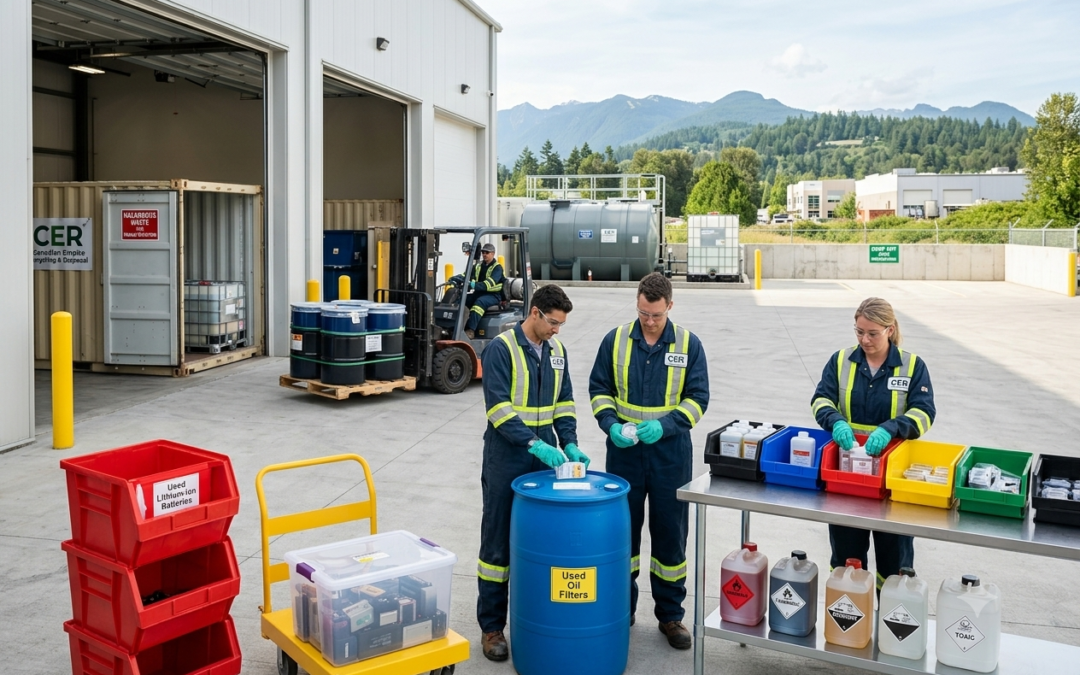
Commercial properties can generate many different types of hazardous waste, including:
- Used oils and petroleum-based materials
- Certain paints and coatings
- Solvents and chemical products
- Batteries
- Contaminated absorbents
- Certain cleaning chemicals
- Fluorescent lamps and other specialty items
- Materials contaminated by hazardous substances
Different materials can have different handling and transportation requirements. Proper identification helps determine how the waste should be managed.
2. Different Waste Streams Are Kept Separate
Hazardous waste should not automatically be mixed simply because it is all considered “hazardous.”
Different chemicals can have incompatible properties, and combining materials without proper assessment can create additional risks. Separation also helps waste-management providers determine the appropriate treatment or disposal route.
This is why businesses should avoid combining unknown substances into a single container simply to reduce the number of packages.
Proper segregation can also prevent hazardous materials from contaminating recyclable or general commercial waste.
3. Packaging and Labeling Matter
Once hazardous waste has been identified, appropriate containers and labeling become important parts of the process.
The packaging needs to be suitable for the material being transported and should help prevent leaks, spills, or accidental exposure. Labels and documentation can also help workers understand what they are handling.
For commercial operations, this is especially important when waste is generated regularly or stored temporarily before pickup.
Businesses should follow the applicable requirements rather than relying on improvised containers or unclear labeling.
4. Transportation Requires Planning
Hazardous waste cannot always be transported in the same way as ordinary business garbage.
Transportation arrangements depend on the type and quantity of material involved. The waste needs to remain secure during transit so that containers do not leak, become damaged, or create unnecessary exposure risks.
For this reason, businesses should communicate the type of waste they have before arranging a pickup or delivery.
Providing accurate information can help the waste-management provider determine the appropriate service and handling requirements.
5. Waste Reaches an Appropriate Facility or Processing Stream
After transportation, hazardous waste may be directed toward an appropriate facility or processing stream based on its characteristics.
Some materials may be recyclable or recoverable, while others require treatment before final disposal. Certain products may need specialized processing because they contain substances that cannot safely enter conventional waste streams.
This is an important distinction for commercial businesses. Hazardous waste management is not simply about moving unwanted materials from one location to another. The material needs to enter an appropriate downstream process.
Why Businesses Should Understand the Full Waste Journey
Knowing what happens after drop-off can encourage businesses to think more carefully about how waste is managed before it leaves their property.
For example, a company that understands the importance of segregation may establish separate collection points for batteries, chemicals, oils, and recyclable materials. A facility manager may also choose to review storage procedures before arranging a pickup.
This proactive approach can make waste management more organized and reduce the likelihood of hazardous materials entering the wrong waste stream.
What Should Coquitlam Businesses Do Before Arranging Hazardous Waste Services?
Businesses can make the process easier by preparing basic information about their waste before contacting a provider.
Identify the Materials
Determine what products or materials need to be removed. Product labels, safety documentation, purchase records, or previous waste records may help identify unknown materials.
Estimate the Quantity
The amount of waste can influence the type of service required. Businesses should provide realistic quantities whenever possible.
Keep Materials Separate
Avoid mixing different substances unless they are known to be compatible and the handling process specifically allows it.
Inspect Containers
Businesses should check that containers are intact and appropriate for the materials being stored.
Share Relevant Information
Tell the waste-management provider about the type of material, approximate quantity, condition of the containers, and any known hazards.
This information can help the provider plan the service more effectively.
Hazardous Waste vs. Regular Commercial Waste
One common mistake is treating all unwanted business materials as commercial garbage.
A business may have cardboard, packaging, office furniture, construction debris, scrap metal, and hazardous products at the same time. These materials should not automatically be combined.
Regular commercial waste may follow a conventional disposal or recycling route, while hazardous materials require more specific handling.
For companies arranging Commercial Waste Disposal Coquitlam, separating hazardous materials from ordinary business waste can help keep the overall waste stream cleaner and easier to manage.
How Proper Separation Can Improve Commercial Waste Management
Waste separation is useful beyond hazardous materials.
Businesses that establish dedicated areas for recyclable, general, bulky, and hazardous waste can gain better visibility into how much waste they generate and where it goes.
This can help with:
- Reducing unnecessary disposal
- Improving recycling rates
- Preventing contamination
- Organizing storage areas
- Making pickups more predictable
- Improving workplace waste procedures
For businesses with ongoing operations, these improvements can become part of a broader waste-management strategy rather than a one-time cleanup measure.
What Happens If Hazardous Waste Is Improperly Managed?
Improper hazardous waste handling can create several problems. Containers may leak, incompatible substances may be combined, or hazardous products may accidentally enter regular garbage.
There can also be environmental and workplace safety consequences when hazardous materials are not properly contained or managed.
Businesses should therefore avoid guessing when dealing with unknown chemicals or potentially hazardous products. If the material cannot be confidently identified or safely handled, professional guidance may be appropriate before moving it.
Is Drop-Off Always the Best Option for a Commercial Business?
Not necessarily.
A small amount of a known material may be suitable for an appropriate drop-off option where the service accepts it. However, commercial operations can generate larger quantities, mixed materials, bulky containers, or waste that requires specialized handling.
In those situations, a scheduled commercial pickup or dedicated waste-management service may be more practical than expecting employees to transport everything themselves.
The right approach depends on the type, quantity, condition, and applicable requirements for the waste.
Building a Better Hazardous Waste Plan
A strong commercial hazardous waste plan should begin before materials become a disposal problem.
Businesses can identify commonly generated hazardous products, establish storage procedures, train relevant employees, maintain clear labeling, and determine how waste will be removed when it is no longer needed.
Regular review is also useful because businesses may introduce new chemicals, equipment, or processes over time.
By treating hazardous waste management as part of normal business operations, companies can reduce last-minute disposal decisions and improve overall control of their waste streams.
For a Coquitlam business, hazardous waste management does not end when unwanted material leaves the workplace. Identification, segregation, packaging, transportation, processing, recycling, and final disposal can all be important parts of the waste journey. Understanding these stages can help businesses make better decisions and avoid treating hazardous materials like ordinary commercial garbage.
If your business needs a reliable solution for Commercial Waste Disposal Coquitlam or has hazardous materials requiring appropriate waste-management planning, Canadian Empire Recycling & Disposal can help businesses coordinate commercial waste services based on their specific requirements. Contact Canadian Empire Recycling & Disposal to discuss your waste type, quantity, and removal needs.