Managing waste oil properly is essential for both environmental protection and legal compliance. Whether you run an automotive shop, a restaurant, or handle oil at home, knowing the right way to dispose of used oil can prevent serious hazards. In 2026, regulations around waste oil disposal are stricter than ever, making it crucial to understand what you can and cannot do.
What is Waste Oil?
Waste oil refers to any oil that has been used and is no longer suitable for its original purpose. Common types include:
- Motor oil from vehicles
- Cooking oil from restaurants
- Industrial lubricants
- Hydraulic fluids
Over time, these oils become contaminated with dirt, chemicals, and metal particles, making them hazardous if not handled correctly.
Why Proper Waste Oil Disposal Matters
Improper disposal of waste oil can have serious consequences:
- Environmental damage: Oil can contaminate soil and water sources
- Health risks: Exposure to toxic substances can harm humans and animals
- Legal penalties: Non-compliance with regulations can result in fines
- Fire hazards: Improper storage increases the risk of accidents
That’s why understanding Waste Oil Collection Coquitlam guidelines is essential for safe and responsible disposal.
What You Can Do with Waste Oil
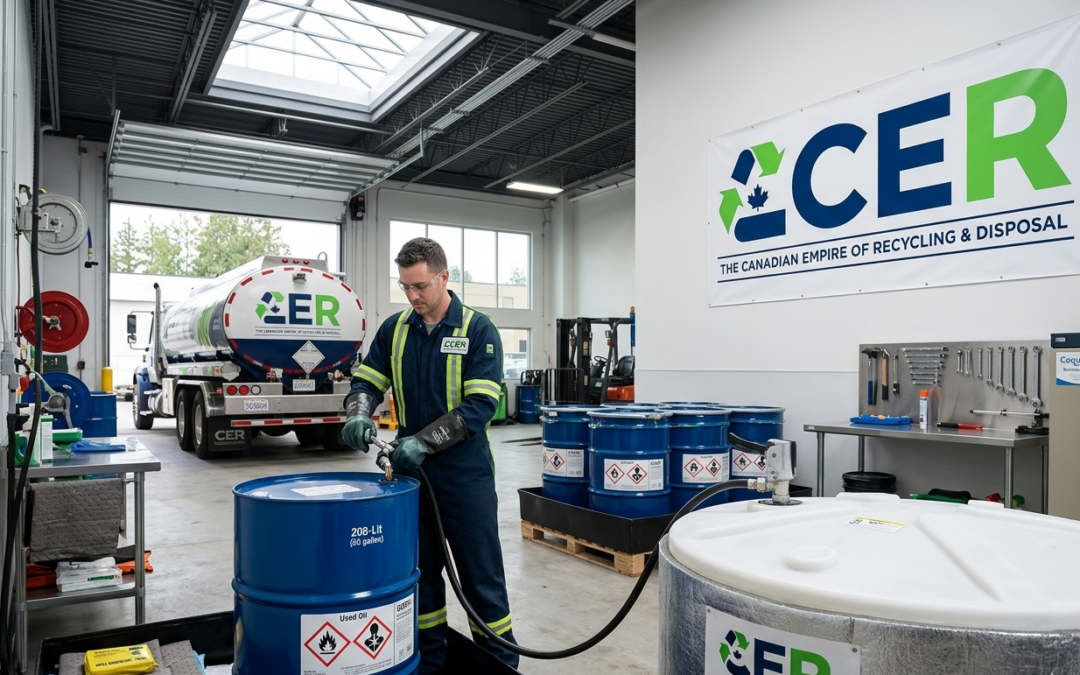
Handling waste oil the right way ensures safety and compliance. Here’s what you should do:
1. Store Oil in Proper Containers
Always use leak-proof, clearly labeled containers. Keep them tightly sealed and stored in a cool, dry place away from heat sources.
2. Keep Different Oils Separate
Do not mix motor oil with cooking oil or other chemicals. Separation makes recycling easier and safer.
3. Use Authorized Collection Services
Work with certified waste oil collection providers who follow proper disposal and recycling methods.
4. Recycle Whenever Possible
Used oil can often be refined and reused. Recycling reduces environmental impact and conserves resources.
5. Schedule Regular Pickups
Businesses should arrange routine collection to prevent overflow and maintain a clean workspace.
What You Can’t Do with Waste Oil
Avoid these common mistakes to stay safe and compliant:
1. Don’t Pour Oil Down Drains
This is one of the most harmful practices. Oil can clog pipes and contaminate water systems.
2. Don’t Dump Oil on the Ground
Even small amounts can cause significant environmental damage.
3. Don’t Mix with Other Waste
Combining oil with chemicals or garbage makes disposal more dangerous and complicated.
4. Don’t Burn Oil Improperly
Burning waste oil without proper equipment can release toxic fumes.
5. Don’t Ignore Regulations
Failing to follow local laws can lead to fines and legal issues.
Commercial Waste Oil Challenges
Businesses generate larger quantities of waste oil, which requires more structured handling. Restaurants, auto shops, and industrial facilities must follow strict guidelines to ensure safe disposal.
Using professional Commercial Waste Disposal Coquitlam services helps businesses manage waste oil efficiently while staying compliant with local regulations.
Hazardous Nature of Waste Oil
Waste oil is considered hazardous due to the contaminants it contains. This makes proper handling even more important.
Specialized Hazardous Waste Disposal Coquitlam services are designed to safely transport and process waste oil, minimizing risks to people and the environment.
Benefits of Professional Waste Oil Collection
Hiring a professional service offers several advantages:
- Safe handling and transportation
- Compliance with environmental laws
- Proper recycling and disposal methods
- Time and cost savings
- Reduced environmental impact
Professionals have the expertise and equipment needed to manage waste oil responsibly.
Eco-Friendly Practices for Waste Oil Management
Sustainability is a key focus in 2026. Here’s how you can make your waste oil management more eco-friendly:
- Recycle used oil whenever possible
- Use biodegradable or eco-friendly oil alternatives
- Reduce oil usage through efficient practices
- Partner with environmentally responsible disposal companies
These steps help protect the environment and improve your business reputation.
Tips for Safe Waste Oil Handling
To ensure safety, follow these practical tips:
- Wear protective gloves and gear
- Avoid overfilling containers
- Clean up spills immediately
- Label containers clearly
- Keep storage areas organized
Small precautions can prevent major accidents.
Waste oil collection is not just a routine task—it’s a responsibility. Knowing what you can and can’t do helps you avoid environmental damage, protect your health, and stay compliant with regulations.
If you’re looking for a reliable solution, Canadian Empire Recycling & Disposal provides professional and eco-friendly waste oil collection services. Their experienced team ensures safe handling, proper disposal, and full compliance with regulations. Contact Canadian Empire Recycling & Disposal to manage your waste oil efficiently and responsibly.