Asbestos waste disposal is one of the most critical responsibilities on construction sites in Coquitlam. Many older residential, commercial, and industrial buildings in the area were constructed using asbestos-containing materials such as insulation, drywall compounds, ceiling tiles, flooring, and roofing products. When these materials are disturbed during renovation, demolition, or construction work, asbestos fibres can become airborne and pose serious health risks to workers and the surrounding community.
Because of these dangers, asbestos waste disposal is strictly regulated in British Columbia. Contractors, builders, and property owners must follow proper procedures to ensure asbestos waste is identified, handled, transported, and disposed of safely and legally. Understanding how this process works helps construction projects stay compliant, avoid fines, and protect everyone on site.
Identifying Asbestos Before Construction Begins
The first step in asbestos waste disposal on construction sites is proper identification. Before any demolition or renovation work starts, buildings—especially those built before the 1990s should undergo asbestos testing. Certified professionals collect samples and send them to accredited laboratories to confirm whether asbestos is present.
If asbestos-containing materials are found, work plans must be adjusted immediately. Construction activities cannot proceed in affected areas until proper removal and disposal measures are in place. This proactive step prevents accidental exposure and ensures compliance with WorkSafeBC regulations.
Safe Removal by Trained Professionals
Once asbestos is identified, removal must be carried out by trained and licensed asbestos abatement professionals. These specialists use controlled methods such as wet removal, sealed containment zones, and HEPA-filtered equipment to prevent fibres from spreading.
Workers wear protective clothing and respirators while carefully removing asbestos materials without breaking them unnecessarily. This controlled removal process is essential on active construction sites, where multiple trades may be present. Proper coordination ensures asbestos handling does not interfere with the broader construction timeline while maintaining safety standards.
Proper Packaging and Labelling of Asbestos Waste
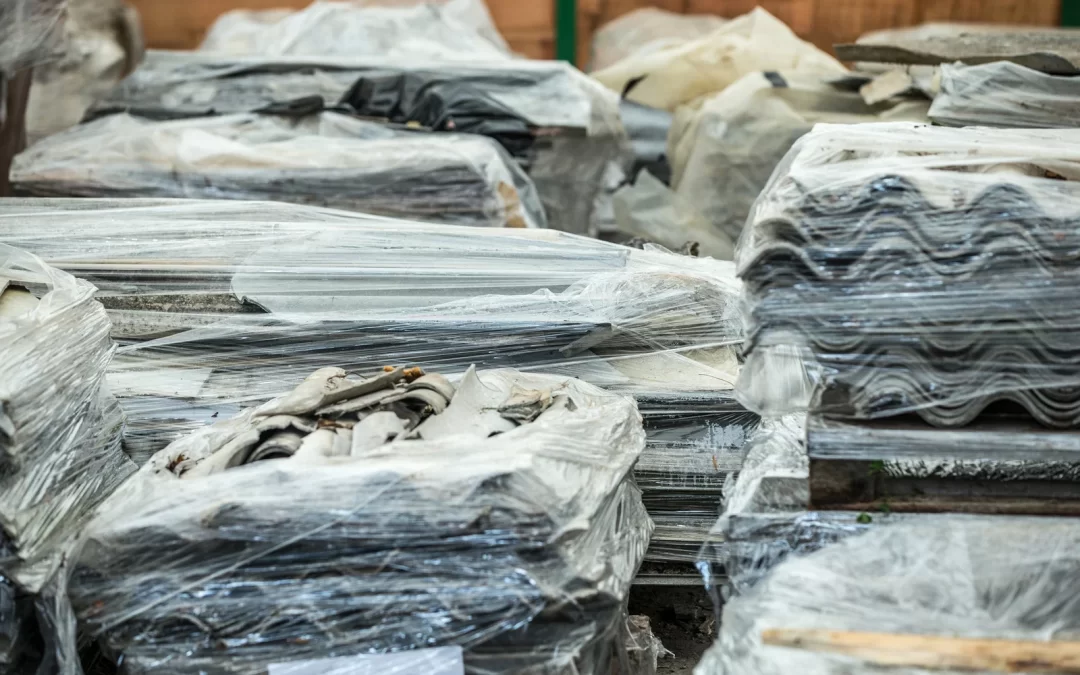
After removal, asbestos waste must be packaged according to strict guidelines. Materials are double-bagged in heavy-duty, leak-tight plastic bags, typically 6-mil thickness and sealed securely. Each bag is clearly labelled as asbestos waste to alert anyone handling it of the hazard.
This step is critical because improperly packaged asbestos can release fibres during transport or disposal. On construction sites, asbestos waste must be kept separate from regular debris to prevent contamination of other materials and equipment.
Temporary Storage on Construction Sites
Construction sites often require temporary storage of asbestos waste before it is transported to an approved facility. This storage area must be clearly marked, restricted to authorized personnel, and protected from damage or disturbance.
Keeping asbestos waste isolated from general construction waste reduces the risk of accidental exposure and ensures the site remains compliant with safety regulations. This is especially important when managing large volumes of construction waste Coquitlam projects typically generate during demolition and renovation phases.
Transportation to Approved Disposal Facilities
Asbestos waste cannot be transported using standard waste hauling services. Licensed hazardous waste carriers are required to move asbestos waste from construction sites to approved disposal facilities. These carriers follow strict transportation protocols, including proper documentation and secure loading procedures.
During transport, asbestos waste must remain sealed and intact. Any damage to packaging during transit can result in serious safety hazards and regulatory violations. Proper transport ensures asbestos waste reaches its destination safely without posing risks to the public or the environment.
Disposal at Authorized Facilities
Final disposal of asbestos waste must take place at facilities authorized to accept hazardous materials. These facilities are designed to handle asbestos safely, preventing fibres from escaping into the air or soil. Upon arrival, waste is inspected to ensure it meets packaging and labelling requirements before being buried or contained according to environmental standards.
This regulated disposal process ensures asbestos waste from construction sites does not end up in landfills meant for general debris, where it could pose long-term health risks.
Importance of Documentation and Compliance
Documentation is a crucial part of asbestos waste disposal Coquitlam. Construction companies must maintain records of asbestos testing, removal, transportation, and disposal. These records may be required during inspections or audits by regulatory authorities.
Failure to follow proper asbestos disposal procedures can result in heavy fines, project delays, and legal consequences. More importantly, non-compliance puts workers and the public at serious health risk. Proper planning and professional support help construction projects stay on track while meeting all safety requirements.
Role of Professional Waste Management Partners
Managing asbestos waste on construction sites can be complex, especially for large or fast-moving projects. Working with experienced waste management providers helps streamline the process and ensures compliance at every stage. Canadian Empire Recycling is known for assisting construction and renovation projects with safe handling and disposal solutions, helping contractors navigate regulations while maintaining efficient site operations.
By partnering with knowledgeable professionals, construction teams can focus on project execution while ensuring hazardous materials are managed responsibly.
If your construction project involves asbestos or you suspect asbestos-containing materials may be present, professional support is essential. Canadian Empire Recycling provides reliable guidance and disposal solutions for construction-related asbestos waste, helping you stay compliant and confident from start to finish. Contact Canadian Empire Recycling to ensure your asbestos waste is managed safely, legally, and efficiently.