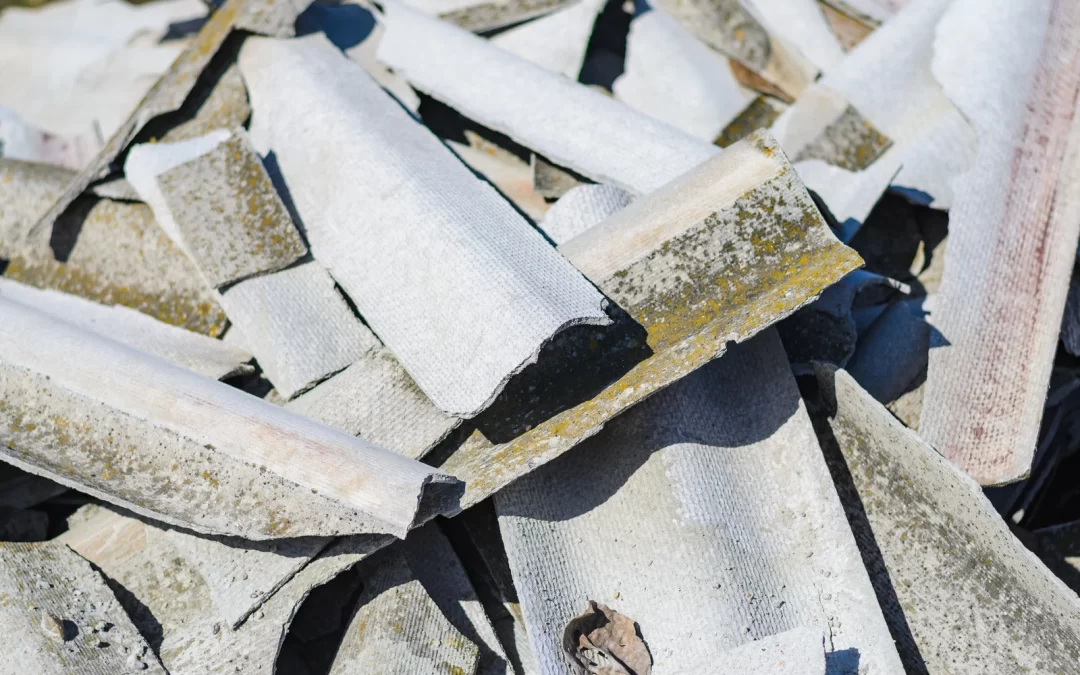
Although asbestos is no longer used in modern construction, many commercial buildings in Coquitlam still contain asbestos materials. From insulation and floor tiles to ceiling panels and old drywall compounds, asbestos remains a potential hazard for property managers, contractors, and cleaning staff. Improper handling of asbestos can result in severe health risks, regulatory fines, and costly remediation.
Commercial buildings, especially older office complexes, retail spaces, warehouses, and industrial sites, must prioritize safe asbestos management. Understanding best practices for identifying, handling, and disposing of asbestos waste is crucial to protecting workers, tenants, and visitors while maintaining compliance with local and provincial regulations.
Understanding the Risks of Asbestos
Asbestos is a naturally occurring mineral that was once widely used for its fire-resistant and insulating properties. When intact, asbestos-containing materials (ACMs) may pose minimal risk. However, when disturbed—during renovations, maintenance, or cleaning—tiny asbestos fibers can become airborne.
Inhalation of these fibers can cause serious long-term health problems, including:
- Mesothelioma
- Asbestosis
- Lung cancer
- Chronic respiratory issues
Because of these risks, commercial property owners cannot treat asbestos as ordinary waste. Proper management protocols are not optional—they are legally required.
Identifying Asbestos in Commercial Buildings
The first step in managing asbestos safely is identifying potential asbestos-containing materials. Common areas in commercial buildings where asbestos may be found include:
- Pipe and duct insulation
- Floor tiles and adhesives
- Ceiling tiles and panels
- Roofing and siding materials
- Drywall joint compounds
Maintenance staff and cleaning teams should never disturb suspected asbestos. Any damaged or deteriorating materials should be reported immediately to qualified professionals.
Safe Handling and Precautions
Commercial buildings must implement strict safety measures to prevent asbestos exposure:
- Training Staff: Employees should be trained to recognize potential ACMs, understand the risks, and know how to respond safely.
- Personal Protective Equipment (PPE): Gloves, respirators, and protective clothing should always be used when working in areas where asbestos is present.
- Restricted Access: Areas containing asbestos should be clearly marked, and access limited to trained personnel.
- Controlled Work Practices: Wet methods and HEPA-filtered vacuuming reduce the release of fibers during cleanup or maintenance.
Following these precautions minimizes health risks and keeps buildings compliant with WorkSafeBC regulations.
Planning Asbestos Waste Disposal
Even after proper containment and removal, asbestos waste must be disposed of correctly. Improper disposal can expose workers, tenants, and the environment to harmful fibers and result in severe penalties.
Commercial buildings in Coquitlam should rely on certified professionals for all asbestos disposal activities. Licensed abatement contractors can safely remove ACMs, package them in approved containers, and transport them to authorized disposal sites.
Asbestos Waste Disposal Coquitlam is a critical service that ensures all materials are handled according to provincial and federal regulations. Using qualified services reduces liability and guarantees that hazardous waste does not endanger the public or the environment.
Integrating Asbestos Management into Broader Waste Disposal
Many commercial facilities generate multiple waste streams, from general trash to recyclable materials and hazardous waste. Coordinating these processes efficiently is key to operational efficiency.
Commercial Waste Disposal Coquitlam, which covers a full spectrum of disposal services for businesses. Streamlining general waste alongside hazardous materials like asbestos ensures safer, cleaner operations and reduces the risk of contamination between waste types.
The Role of Certified Disposal Partners
Choosing the right disposal partner is essential. Certified companies provide:
- Safe removal and packaging of asbestos materials
- Transport to authorized disposal facilities
- Compliance documentation for audits and inspections
- Staff training and consultation on handling procedures
Many Coquitlam commercial properties turn to Canadian Empire Recycling for reliable, professional waste management services. Their expertise in both hazardous and general commercial waste makes them a trusted partner for building managers and business owners.
Training and Documentation
Effective asbestos management goes beyond removal. Staff should be trained to recognize hazards, and all disposal activities should be documented. Proper records help with compliance, workplace safety, and insurance requirements. Documentation typically includes:
- Inventory of asbestos-containing materials
- Dates of removal and disposal
- Details of certified contractors
- Compliance certifications from disposal facilities
Keeping accurate records protects commercial building owners and ensures long-term safety for tenants and employees.
Protect Your Building and Your People
Managing asbestos in commercial buildings is not only a regulatory requirement, but also a critical safety measure. By identifying ACMs, training staff, restricting access, and relying on certified disposal services, Coquitlam businesses can protect their workers, tenants, and the environment.
For commercial property managers looking for reliable and compliant asbestos waste solutions, Canadian Empire Recycling offers professional services tailored to Coquitlam’s commercial sector. Contact Canadian Empire Recycling for expert guidance on asbestos handling, safe disposal, and comprehensive commercial waste management.