When a business clears out an office, warehouse, retail location, workshop, or commercial property, the process does not necessarily end when unwanted items are loaded onto a truck. What happens afterward can determine whether those materials are reused, recycled, recovered, or sent for final disposal.
Commercial cleanouts can generate a mixture of furniture, cardboard, electronics, fixtures, packaging, scrap metal, construction debris, and general unwanted items. Treating everything as ordinary garbage can mean recyclable or recoverable materials are unnecessarily lost.
Understanding what happens after Junk Removal Services Chilliwack can help business owners, property managers, contractors, and facility operators make more informed decisions about their unwanted materials.
What Happens to Business Junk After Removal?
Once commercial junk is collected, the materials can be sorted according to their type, condition, and potential for recovery.
A typical process may include:
- Collecting and transporting unwanted materials
- Sorting items into different material categories
- Identifying recyclable or reusable materials
- Separating materials that require specialized handling
- Directing suitable materials toward recycling or recovery
- Sending remaining non-recoverable waste through an appropriate disposal stream
The exact process depends on the materials involved and the available recycling and disposal options.
Why Sorting Matters After Commercial Junk Removal
Businesses can produce several different waste streams during a single cleanup.
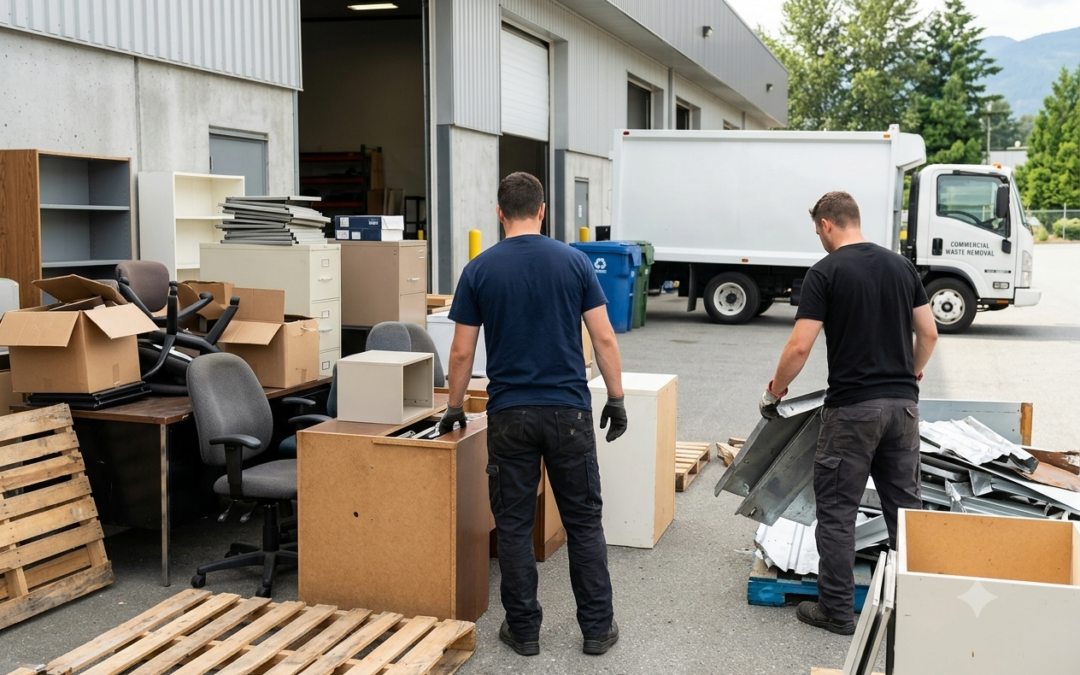
An office relocation, for example, could generate desks, chairs, cardboard boxes, computers, shelving, packaging, and general garbage. A warehouse cleanout could contain pallets, metal shelving, damaged equipment, inventory, and large amounts of packaging.
If everything is mixed together, it becomes more difficult to identify materials that could otherwise be recovered.
Sorting helps separate:
- Scrap metal
- Cardboard
- Wood
- Furniture
- Electronics
- Appliances
- Construction materials
- Packaging
- General waste
This can make the overall waste management process more organized and help prevent recyclable materials from being unnecessarily mixed with general garbage.
What Happens to Recyclable Materials?
Some items removed from commercial properties still have useful material value.
Scrap Metal
Metal shelving, fixtures, equipment components, pipes, and other metal items may be suitable for recycling.
Recovering scrap metal can help conserve raw materials and reduce the amount of metal entering general disposal streams.
Cardboard
Businesses can accumulate significant quantities of cardboard from deliveries, inventory, renovations, and relocations.
Clean and suitable cardboard can often be separated from other waste and directed toward an appropriate recycling stream.
Wood
Wooden pallets, shelving components, lumber, and other wood materials may have recycling or recovery potential depending on their condition and composition.
Keeping wood separate from mixed waste makes it easier to determine whether recovery is possible.
What Happens to Old Commercial Furniture?
Office and retail cleanouts frequently generate large quantities of furniture.
Desks, chairs, cabinets, shelving, tables, and display fixtures may be removed during a relocation, renovation, downsizing, or business closure.
However, not every piece of furniture automatically needs to become waste.
Furniture that remains in usable condition may have reuse potential. Damaged items may need to be dismantled so that individual materials, such as metal and wood, can be handled separately.
Before sending everything for disposal, businesses should consider whether any furniture can be reused or recovered.
What Happens to Electronics?
Commercial properties may also accumulate outdated electronic equipment.
This can include:
- Computers
- Monitors
- Printers
- Networking equipment
- Office electronics
- Small appliances
- Electronic components
Electronic waste should not automatically be treated as regular garbage. Some electronics and their components may require specialized recycling or handling.
Businesses should identify electronic items separately during a cleanout and determine the appropriate recycling or disposal route.
How Is Construction and Renovation Debris Handled?
Commercial renovation projects can produce much heavier waste than ordinary office cleanouts.
Typical materials may include:
- Drywall
- Wood
- Flooring
- Metal
- Cabinets
- Fixtures
- Concrete
- Packaging
- Other construction debris
Separating these materials where practical can make recycling and disposal more efficient because different materials may have different processing requirements.
A mixed load containing every type of renovation material can be more difficult to process than a properly organized load.
What Happens to Materials That Cannot Be Recycled?
Not every item removed from a commercial property will be recyclable.
Some materials may be damaged, contaminated, mixed with unsuitable materials, or otherwise unsuitable for recovery.
These materials still need to be handled through an appropriate disposal stream.
Responsible waste management does not mean claiming that everything can be recycled. Instead, it means identifying realistic recovery opportunities and ensuring that remaining waste is managed properly.
This is where Commercial Waste Disposal becomes important for larger business cleanouts and property clearances.
Hazardous Materials Require Additional Attention
Commercial cleanouts can sometimes uncover materials that should not be treated as ordinary junk.
Examples can include certain chemicals, paints, solvents, oils, batteries, and contaminated materials.
The appropriate handling method can depend on the material’s properties, quantity, condition, and source.
Businesses should not mix potentially hazardous materials with general commercial junk or assume that a standard disposal facility will accept them.
If hazardous materials are discovered during a cleanout, identify them separately and arrange an appropriate handling solution.
What Happens During a Warehouse Cleanout?
Warehouse cleanouts can involve significantly larger volumes of material than typical office clearances.
A single project may contain:
- Pallets
- Cardboard
- Packaging
- Shelving
- Scrap metal
- Old equipment
- Damaged inventory
- General waste
Organizing these materials into separate categories can make the removal process more efficient.
For example, clean cardboard can be separated from general garbage, metal can be placed into an appropriate recovery stream, and reusable equipment can be identified before final disposal decisions are made.
Business Relocations Can Reveal Hidden Waste
Moving a business often exposes how much unwanted material has accumulated over time.
Old furniture, broken equipment, outdated displays, unused supplies, packaging, and miscellaneous junk can quickly add up.
A relocation provides an opportunity to evaluate what is actually worth moving.
Instead of transporting everything to the new property, businesses can identify unwanted materials before the move and arrange removal in advance.
This can reduce unnecessary transportation and make the relocation process more organized.
What Should Businesses Do Before Junk Removal?
Preparation can make a commercial cleanout considerably easier.
Create Separate Material Groups
Where practical, separate furniture, cardboard, metal, wood, electronics, general waste, and special-handling materials.
Identify Reusable Items
Check whether furniture, equipment, fixtures, or other items can still be used before deciding they are waste.
Protect Sensitive Information
Businesses should review documents, computers, storage devices, and other materials for confidential information before removal.
Separate Special-Handling Materials
Chemicals, batteries, oils, and other potentially hazardous materials should not automatically be mixed with general junk.
Estimate the Volume
Knowing approximately how much material needs to be removed can help with scheduling and logistics.
When Does Professional Junk Removal Make Sense?
Small amounts of unwanted business items may sometimes be manageable internally. Larger commercial cleanouts, however, can quickly become time-consuming and physically demanding.
Professional removal can be useful for:
- Office relocations
- Warehouse cleanouts
- Retail renovations
- Commercial property turnovers
- Business closures
- Construction projects
- Inventory clearances
- Property management cleanups
Using a professional service can allow employees to focus on their normal responsibilities instead of spending working hours sorting, lifting, transporting, and disposing of large amounts of unwanted material.
Why Businesses Should Think Beyond Removal
The goal of commercial junk removal should not simply be to make unwanted items disappear.
Businesses can take a more responsible approach by considering what happens to each material after it leaves the property.
That means:
- Separating recyclable materials
- Identifying reusable items
- Keeping hazardous materials separate
- Reducing contamination
- Choosing suitable recycling streams
- Planning larger cleanouts in advance
This can help businesses manage waste more efficiently while supporting better material recovery.
A More Organized Approach to Commercial Cleanouts
A well-planned cleanout can save time and reduce unnecessary waste.
Instead of creating one large mixed pile, businesses can categorize materials before collection. This makes it easier to identify what can be recycled, reused, specially handled, or disposed of.
For property managers and business owners, this approach can also make future cleanouts easier because common waste categories and handling requirements become more predictable.
Business junk does not necessarily have one destination after it is removed. Furniture, cardboard, metal, wood, electronics, construction debris, and other materials can require different handling depending on their condition and composition.
Planning the removal around these material categories can help businesses make better use of recycling and recovery opportunities while ensuring remaining waste is handled appropriately.
If you are planning a commercial cleanout, relocation, renovation, or property turnover, junk removal services can help make the removal process more organized. For larger volumes of business waste, Commercial Waste Disposal Chilliwack can provide an appropriate solution based on the type and quantity of materials involved.
For professional help with commercial junk removal, recycling, and waste management, contact Canadian Empire Recycling & Disposal to discuss your Chilliwack cleanup requirements and arrange a practical solution for your business.