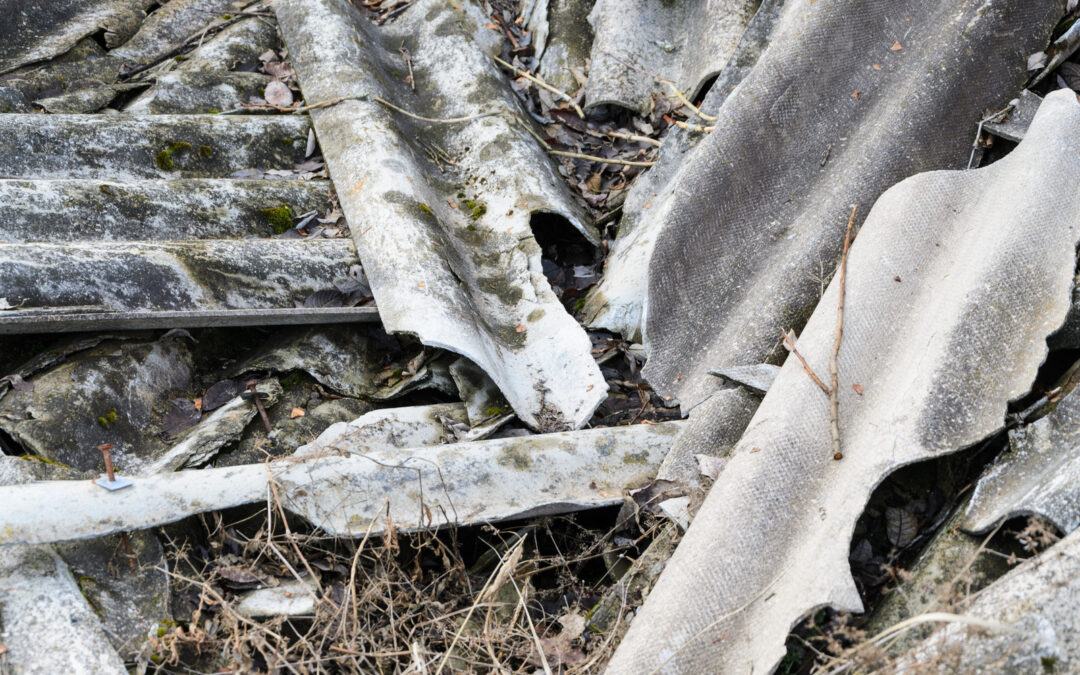
Asbestos waste disposal is a serious concern for commercial property owners, contractors, and industrial operators in Chilliwack. Older commercial buildings, warehouses, schools, and manufacturing facilities often contain asbestos in roofing, insulation, flooring, drywall compounds, and pipe coverings. When these materials are disturbed during renovations, repairs, or demolition, they become hazardous waste that must be handled with extreme care.
Improper disposal of asbestos can expose workers and the public to dangerous airborne fibers, leading to severe health risks and legal consequences. This guide explains how commercial asbestos waste is disposed of safely in Chilliwack and why professional handling is essential for compliance and risk management.
Understanding Commercial Asbestos Waste
Commercial asbestos waste includes any asbestos-containing material (ACM) removed from non-residential properties. This may involve:
- Roofing materials and shingles
- Insulation and fireproofing
- Vinyl floor tiles and adhesives
- Cement panels and siding
- Pipe insulation and boiler coverings
Once disturbed, these materials release microscopic fibers that can remain airborne for long periods. Because of this, asbestos waste is strictly regulated and must follow approved disposal procedures from removal to final landfill placement.
Why Safe Disposal Matters for Commercial Projects
Commercial sites often involve larger quantities of asbestos waste and higher exposure risks due to multiple workers and public access. Unsafe handling can result in:
- Serious health risks such as asbestosis and mesothelioma
- Worksite shutdowns and project delays
- Heavy fines and regulatory penalties
- Liability claims and reputational damage
Following regulated Asbestos Waste Disposal Chilliwack procedures protects workers, occupants, and the surrounding community while ensuring the project remains legally compliant.
Step 1: Professional Asbestos Identification and Planning
Before disposal begins, asbestos must be identified through inspections and testing by qualified professionals. This step determines:
- The type of asbestos
- The condition of materials
- The appropriate removal and containment method
A disposal plan is then created to ensure safe removal, packaging, transport, and documentation.
Step 2: Controlled Removal and Containment
Commercial asbestos removal follows strict safety protocols, including:
- Sealing work areas to prevent fiber spread
- Using negative air pressure systems
- Wetting materials to minimize dust
- Workers wearing protective equipment
Removed materials are immediately sealed in approved, leak-tight containers or double-bagged in labeled asbestos waste bags.
Step 3: Secure Packaging and Labeling
All asbestos waste must be:
- Clearly labeled as asbestos-containing material
- Sealed to prevent fiber release
- Stored in designated secure areas
Proper labeling ensures safe handling during transport and prevents accidental exposure.
Step 4: Licensed Transport to Approved Facilities
Asbestos waste cannot be transported like regular construction debris. Licensed carriers are required to move the waste safely to approved disposal facilities. Transport documentation is maintained to track waste from the job site to final disposal.
This process often falls under broader Commercial Waste Disposal Chilliwack requirements, which emphasize accountability, traceability, and environmental protection.
Step 5: Disposal at Authorized Landfills
Final disposal takes place at authorized facilities equipped to handle asbestos safely. Waste is buried following strict procedures to prevent fiber release and long-term environmental contamination.
Documentation confirming proper disposal is typically provided, which is critical for audits, inspections, and legal compliance.
Common Mistakes Commercial Sites Must Avoid
Many asbestos violations occur due to:
- Mixing asbestos with general construction waste
- Using unlicensed removal or transport services
- Improper packaging or labeling
- Disposing of asbestos at unauthorized sites
These mistakes can lead to immediate fines and long-term liability.
Why Professional Asbestos Disposal Is Essential
Commercial asbestos waste disposal is not a DIY task. Professional services ensure:
- Full regulatory compliance
- Worker and public safety
- Proper documentation and reporting
- Efficient project timelines
Experienced providers understand local regulations and manage the entire process from removal coordination to final disposal.
Trusted Commercial Asbestos Disposal Support
For commercial projects requiring safe, compliant asbestos waste management, Canadian Empire Recycling offers reliable and professional disposal solutions. Their experienced team works with contractors, developers, and property managers to ensure asbestos waste is handled according to all regulatory standards.
From coordinating transport to arranging approved disposal, Canadian Empire Recycling helps reduce risk, prevent delays, and maintain compliance throughout your project.
If your commercial site requires asbestos waste disposal, contact Canadian Empire Recycling ensure your materials are managed safely, legally, and responsibly from start to finish.