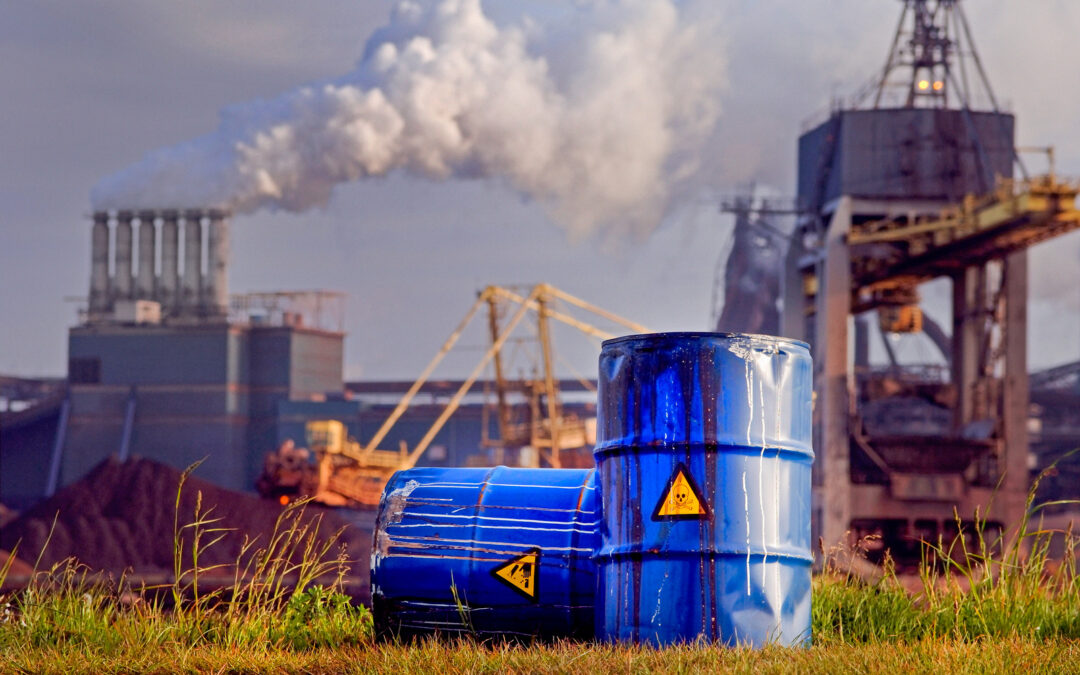
Chemical waste is a part of everyday life, whether it comes from industrial processes, laboratories, auto shops, or even household cleaning products. While we often don’t think twice about tossing a used container or leftover paint, improper disposal of chemical waste can have devastating consequences for both the environment and public health.
What Is Chemical Waste?
Before diving into the effects of improper disposal, it’s crucial to understand what chemical waste actually includes. Chemical waste refers to any unwanted or leftover substance that contains hazardous or potentially toxic ingredients. This can include:
- Paints, varnishes, and thinners
- Cleaning agents and disinfectants
- Pesticides, herbicides, and fertilizers
- Automotive fluids like oil and antifreeze
- Laboratory or industrial chemicals
- Batteries, fluorescent bulbs, and solvents
Improperly managing these materials can cause long-term damage that goes far beyond a single household or business.
Environmental Consequences of Improper Disposal
When chemical waste isn’t handled correctly, it doesn’t simply “disappear.” It often finds its way into local ecosystems through water runoff, soil contamination, or air pollution.
- Soil Contamination:
Hazardous substances like heavy metals and acids can seep into the ground, poisoning plants, microorganisms, and wildlife. Once the soil is contaminated, it can take years—or even decades—to restore its natural balance. - Water Pollution:
Chilliwack’s beautiful rivers and groundwater systems are vulnerable to pollution from improperly disposed of chemicals. Toxic substances can leach into water sources, harming aquatic life and affecting the quality of drinking water. - Air Quality Damage:
When chemical waste is burned or left in open areas, it can release toxic fumes into the air. These emissions contribute to smog, respiratory issues, and other air quality concerns that affect residents across the community.
The environment isn’t just impacted immediately; many chemicals persist in ecosystems for years, creating a chain reaction of harm to plants, animals, and people.
Health Hazards to Humans
One of the most alarming effects of poor chemical waste disposal is the impact on human health. Direct exposure to hazardous chemicals can cause a range of illnesses, depending on the substance and level of contact.
- Short-Term Effects: Headaches, nausea, dizziness, and skin or eye irritation.
- Long-Term Effects: Chronic respiratory problems, liver or kidney damage, and in some cases, cancer.
When hazardous chemicals enter Chilliwack’s water or soil, they can contaminate food supplies or drinking water, posing hidden risks to families and local communities.
Economic and Legal Consequences
Improper chemical waste disposal not only affects the environment it can also have serious financial and legal implications.
- Cleanup Costs:
Contaminated sites require costly remediation efforts. The expenses for soil replacement, water filtration, and environmental restoration can reach thousands or even millions of dollars. - Fines and Legal Penalties:
Both individuals and businesses are subject to strict environmental regulations. Failing to dispose of chemicals properly can lead to significant fines, permit suspensions, or legal action. - Reputation Damage:
For local businesses, particularly those in manufacturing, automotive, or agriculture sectors, mishandling chemicals can destroy community trust and damage public image.
By choosing proper disposal methods, companies and individuals not only stay compliant but also demonstrate their commitment to environmental responsibility.
Why Proper Chemical Waste Disposal Matters
Chilliwack is known for its natural beauty, clean water, and thriving agricultural land, all of which depend on healthy soil and ecosystems. Proper Chemical Waste Disposal Chilliwack ensures that local farms, wildlife, and residents continue to benefit from a clean and safe environment.
Every small effort counts: whether it’s separating household hazardous, taking old paint cans to a disposal site, or ensuring industrial chemicals are processed through licensed facilities.
How Chemical Waste Should Be Disposed of
Proper disposal starts with identifying hazardous materials and understanding where they belong. Here’s how to handle them safely:
- Segregate Chemical Waste: Keep chemicals in original containers and avoid mixing substances.
- Label Containers: Make sure all hazardous waste Chilliwack is clearly labeled before transport or storage.
- Use Certified Facilities: Take waste to authorized disposal centers equipped to handle chemical processing.
- Follow Local Guidelines: it provides specific hazardous waste drop-off in Chilliwack for different types of toxic materials.
- Consult Professionals: When dealing with large or complex chemical waste, hire licensed disposal experts who follow environmental safety regulations.
Proper management not only maintains a safe environment but also ensures compliance with local and federal laws.
The Role of Responsible Waste Management Services
Many professional management and recycling companies help bridge the gap between convenience and compliance. They offer pickup, sorting, and transportation services to ensure that hazardous materials are processed safely.
Working with certified experts ensures chemicals are treated, neutralized, or recycled responsibly, preventing contamination and supporting a greener, cleaner community.
Protecting Chilliwack’s Future with Safe Waste Practices
Improper disposal of chemicals might seem like a small mistake, but its effects can last for generations. From polluted water and damaged soil to health risks and costly cleanups, the consequences are far-reaching.
Taking proactive steps to educate the community, utilizing safe disposal methods, and partnering with trusted professionals can continue to thrive as a safe and sustainable city.
For expert guidance, proper waste handling, and responsible recycling solutions, you can contact Canadian Empire Recycling. Their team provides environmentally responsible services for both residential and commercial waste management, helping stay clean, compliant, and sustainable.