Gasoline is one of the most commonly used fuels in homes, garages, workshops, and commercial properties. While it is essential for powering vehicles, lawn equipment, generators, and machinery, gasoline can become extremely dangerous when stored or disposed of improperly. Old or contaminated fuel can create serious environmental and safety risks if people do not follow proper disposal methods.
Many homeowners unknowingly make mistakes when getting rid of gasoline, putting their property, health, and the environment at risk. Understanding what not to do is just as important as knowing the correct disposal process. In this guide, we’ll explain the most common gasoline disposal mistakes and how to safely manage fuel waste in Burnaby.
Why Gasoline Requires Special Disposal
Gasoline is classified as hazardous waste because it is highly flammable and contains harmful chemicals. Even small amounts of fuel can contaminate soil, water systems, and air quality if disposed of incorrectly.
Improper fuel handling can lead to:
- Fire hazards
- Toxic fumes
- Groundwater contamination
- Environmental pollution
- Health risks for humans and animals
Because of these dangers, gasoline should never be treated like regular household waste.
Mistake #1: Pouring Gasoline Down Drains
One of the most dangerous mistakes people make is pouring gasoline down household drains, sinks, toilets, or storm sewers. Many assume that small amounts of fuel will simply wash away, but gasoline can contaminate water systems and create major fire risks inside plumbing systems.
Gasoline fumes are highly combustible and can travel through pipes, increasing the risk of explosions and toxic exposure.
Never dispose of gasoline through:
- Kitchen sinks
- Bathroom drains
- Outdoor storm drains
- Sewer systems
Proper disposal methods should always be used instead.
Mistake #2: Dumping Gasoline on the Ground
Some people attempt to dispose of old fuel by pouring it directly onto soil, gravel, or driveways. This is extremely harmful to the environment because gasoline quickly seeps into the ground and contaminates surrounding areas.
Fuel dumped outdoors can:
- Pollute groundwater
- Harm plants and wildlife
- Create dangerous fumes
- Increase fire hazards
Even small amounts of gasoline can cause long-term environmental damage.
Mistake #3: Throwing Gasoline Into Household Garbage
Gasoline should never be placed inside regular trash bins. Containers holding fuel can leak, ignite, or release harmful vapors during waste collection and transportation.
This includes:
- Gasoline-filled cans
- Fuel-soaked rags
- Contaminated absorbent materials
Improper disposal in garbage bins can endanger sanitation workers and create serious safety hazards during waste handling.
Mistake #4: Storing Old Gasoline Too Long
Gasoline does not last forever. Over time, fuel breaks down and becomes less effective while producing harmful vapors. Storing gasoline for extended periods increases the risk of leaks, spills, and fire hazards.
Signs gasoline may have expired include:
- Strong sour odor
- Darkened color
- Engine performance issues
- Visible contamination
Old fuel should be removed safely instead of being left in garages or storage sheds indefinitely.
Mistake #5: Using Unsafe Containers
Improper fuel storage containers are another common issue. Some people store gasoline in glass jars, plastic bottles, or unapproved containers that are not designed for flammable liquids.
Unsafe containers can:
- Crack or leak
- Release dangerous vapors
- Increase fire risks
- Spills easily during handling
Gasoline should always be stored in approved fuel containers specifically designed for hazardous liquids.
Mistake #6: Burning Gasoline
Burning old gasoline outdoors may seem like a quick disposal method, but it is extremely dangerous and illegal in many areas. Gasoline burns rapidly and unpredictably, which can lead to explosions, severe burns, and property damage.
Never attempt to:
- Burn gasoline in fire pits
- Use gasoline to ignite garbage
- Dispose of fuel through open flames
Professional disposal methods are always the safest option.
Importance of Professional Disposal Services
Handling fuel waste properly requires knowledge, safety precautions, and approved disposal methods. Professional disposal services help ensure gasoline is collected, transported, and processed safely according to environmental regulations.
Using Hazardous Waste Disposal Burnaby services reduces risks while protecting both people and the environment from dangerous contamination.
Professional disposal providers can safely handle:
- Expired gasoline
- Fuel-contaminated containers
- Oil and solvent waste
- Automotive fluids
- Hazardous cleanup materials
How to Prepare Gasoline for Disposal
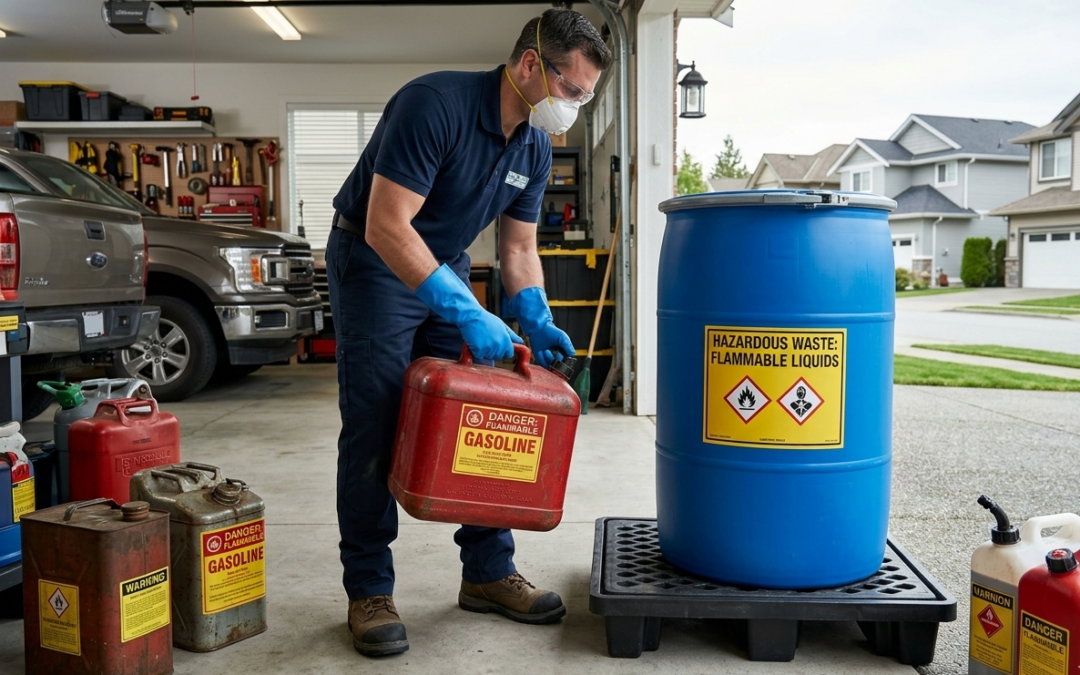
Before disposing of gasoline, follow these safety steps:
Store Fuel Securely
Keep gasoline in approved, sealed containers away from heat sources and direct sunlight.
Label Containers Clearly
Mark containers so they are easily identifiable during transport and disposal.
Avoid Mixing Chemicals
Do not combine gasoline with other liquids such as paint, oil, or cleaning chemicals.
Keep Away From Children and Pets
Always store fuel in secure areas with proper ventilation.
These precautions help reduce risks before disposal takes place.
Environmental Impact of Improper Disposal
Improper gasoline disposal affects more than just individual properties. Fuel contamination can spread into nearby ecosystems, damaging wildlife habitats and water supplies.
Environmental risks include:
- Water pollution
- Soil contamination
- Toxic air emissions
- Harm to aquatic life
- Long-term environmental damage
Responsible Gasoline Disposal Burnaby practices help protect local communities and natural resources from preventable pollution.
Safety Tips for Handling Gasoline
Whenever working with gasoline, safety should remain a top priority.
Important safety reminders include:
- Wear protective gloves
- Avoid smoking near fuel
- Keep gasoline away from sparks or flames
- Work in well-ventilated areas
- Clean spills immediately
Even small fuel spills can become dangerous if not handled properly.
Reliable Hazardous Waste Disposal Support
Disposing of gasoline safely is essential for protecting your home, health, and environment. Avoiding common mistakes can reduce fire risks, prevent contamination, and ensure fuel waste is managed responsibly.
For safe and professional disposal solutions, contact Canadian Empire Recycling & Disposal for reliable hazardous waste removal services for residential and commercial properties. Their experienced team helps handle fuel waste, chemicals, and hazardous materials safely and responsibly throughout Burnaby.