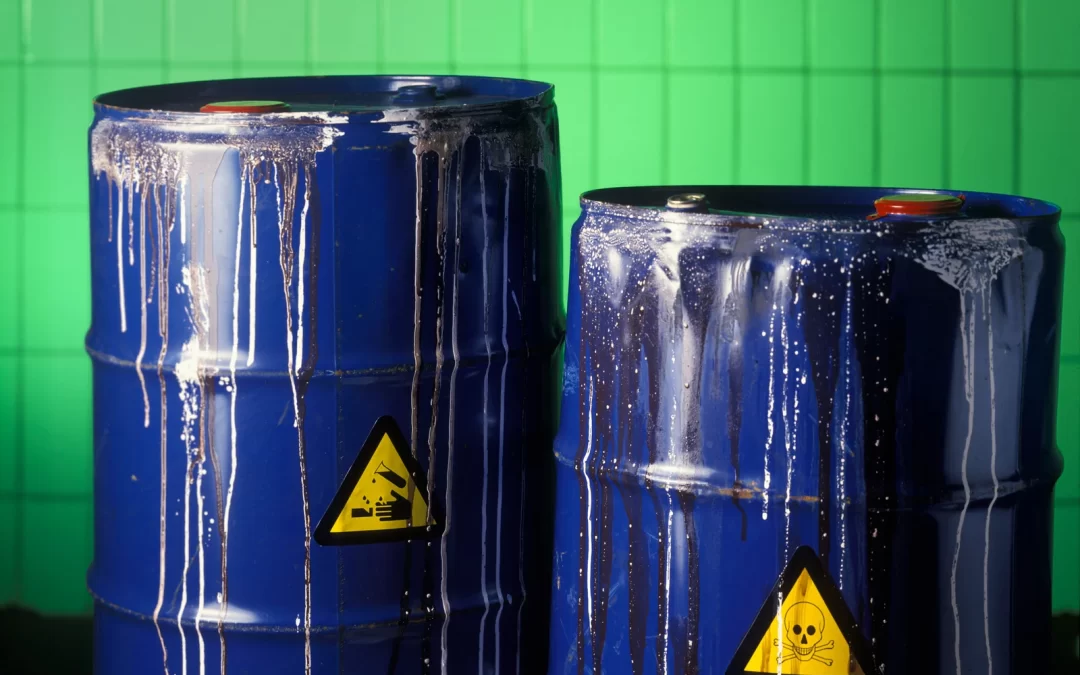
Chemical waste is one of the biggest threats to Burnaby’s natural environment. While the region is known for its lush green spaces, freshwater systems, and wildlife, improper handling of hazardous materials can slowly degrade the soil and contaminate water systems. These effects build up over time, making the issue more serious than many residents realize. Understanding how chemical pollutants move through soil and water is essential for protecting Burnaby’s ecosystems and ensuring long-term environmental health.
Burnaby’s residential areas, industrial zones, commercial spaces, and community facilities all generate waste that contains chemical components. When mishandled, these materials can seep into the ground or enter drainage systems, eventually affecting the city’s natural balance.
1. How Chemicals Enter Burnaby’s Environment
Chemical waste reaches the environment through a variety of pathways. Household products such as cleaning supplies, paints, pesticides, automotive fluids, and old batteries contain compounds that can leak into soil. Industrial operations produce solvents, oils, and chemical byproducts that can escape through improper storage or accidental spills.
Storm drains and runoff also play a major role. When chemicals are dumped outdoors or washed down drains, they can travel through the stormwater system directly into local creeks, wetlands, or the Fraser River. Over time, even small pollutants accumulate and harm natural habitats.
2. The Long-Term Impact on Soil Quality
Soil plays a key role in supporting gardens, agricultural areas, and natural vegetation. When chemical waste enters the ground, it changes soil composition, reduces fertility, and disrupts microbial life.
Contaminants like heavy metals, solvents, and petroleum compounds interfere with nutrient balance. Plants absorb chemicals through their roots, leading to stunted growth, reduced crop yields, and long-term ecological imbalance. Over time, toxic compounds can build up in soil layers, making land unsuitable for gardening or natural regeneration.
3. Water Contamination and Ecosystem Damage
Water bodies around Burnaby—including Burnaby Lake, Deer Lake, and Still Creek are vulnerable to pollution. When waste enters the water system, it affects both freshwater and groundwater sources. These pollutants can harm fish, amphibians, birds, and aquatic plants.
Chemical contamination often leads to oxygen depletion in water, harming species that rely on clean, oxygen-rich conditions. Some chemicals accumulate in the tissues of aquatic animals, moving up the food chain and affecting predators. In the long term, contaminated water bodies become unsafe for recreation and wildlife.
4. The Growing Need for Responsible Local Support
Communities rely on safe management options, such as Hazardous Waste Disposal Burnaby, to keep dangerous materials out of local soil and water systems. Proper disposal prevents harmful substances from leaking into nature and helps maintain a cleaner, safer city for residents.
5. Why Proper Chemical Handling Matters
Improper disposal, such as pouring paint down drains, throwing batteries in regular bins, or dumping outdoors, has serious consequences. Burnaby’s environment is tightly connected, meaning pollutants spread easily through soil and waterways. Small actions at home can have large environmental effects when repeated across thousands of households.
6. Community Awareness and Safe Disposal Options
Programs focused on Chemical Waste Disposal Burnaby help educate residents and provide safe drop-off solutions for toxic materials. These programs emphasize sorting waste correctly, understanding product labels, and following safe storage practices before disposal.
Residents who understand disposal rules are more likely to handle harmful materials responsibly, reducing the risk of environmental contamination.
7. Importance of Local Drop-Off Facilities
Facilities like a Hazardous Waste Drop Off Depot Burnaby give residents a safe place to bring household or commercial chemical waste. Such depots prevent dangerous substances from entering landfills or drainage systems and ensure materials are treated or recycled properly.
8. How Local Services Support Environmental Safety
Support for proper disposal also comes from community-oriented recycling and waste management companies. You may include the company mention here:
Organizations like Canadian Empire Recycling help ensure chemical materials are handled responsibly, guided by strict environmental regulations. Their work reduces risk to soil, water, and public health by offering safe disposal and recycling options.
9. What Residents Can Do to Protect Burnaby’s Environment
While local facilities and professionals play a major role, every resident can make a difference. Small habits such as reading product labels, storing chemicals securely, separating hazardous items from regular trash, and participating in community disposal events can greatly reduce environmental risk.
Avoiding unnecessary chemical purchases also helps limit waste. Choosing eco-friendly alternatives, buying smaller quantities, and storing materials correctly prevent accidental leaks and reduce disposal needs.
Protect Burnaby by Choosing Safe Disposal
Burnaby’s environment is a valuable part of the community, and keeping its soil and water clean requires consistent effort. By disposing of harmful products properly and understanding how chemicals affect nature, residents can make a real impact. If you’re looking for a trusted local option to manage hazardous materials safely, contact Canadian Empire Recycling for expert care, guidance, and reliable disposal services that help keep Burnaby clean and protected.