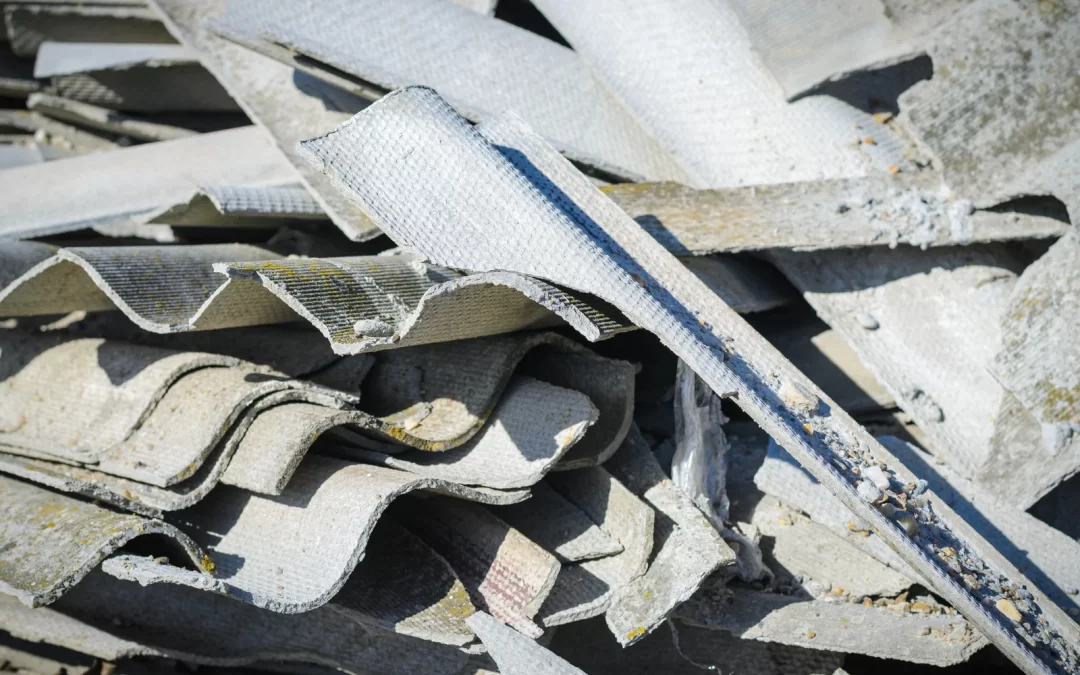
Asbestos was once praised as a miracle material for insulation, flooring, roofing, and countless other construction uses. But today, it is recognized as a dangerous health hazard. The fibers released from disturbed asbestos can cause serious respiratory illnesses, including lung cancer, mesothelioma, and asbestosis. For homeowners and property managers in Burnaby, understanding how to properly prepare your property for waste disposal is not just about compliance—it’s about protecting your family, tenants, and the environment.
1. Understanding the Risks of Asbestos
Before diving into preparation, it’s important to understand why asbestos is so dangerous. These fibers are microscopic, and once they become airborne, they can be inhaled without notice. Unlike dust, these fibers do not break down in the body, which is why prolonged exposure often leads to severe, irreversible diseases.
Because of this, waste cannot be handled like ordinary garbage—it requires specialized disposal methods. If you are considering Asbestos Waste Disposal Burnaby, you need to be fully aware of the risks and legal requirements surrounding its safe removal.
2. Conducting an Asbestos Inspection
If your home or property was built before the 1990s, there’s a good chance asbestos-containing materials (ACMs) are present. These could include ceiling tiles, flooring, insulation, cement siding, or even textured paint.
Before starting any renovation or demolition project, it’s critical to have your property professionally inspected. A certified asbestos inspector will test suspected materials and confirm whether asbestos is present. This step ensures you don’t unintentionally release hazardous fibers during your project.
3. Planning for Safe Removal
Once asbestos has been identified, you must create a safe plan for removal. This includes:
- Designating containment areas – Rooms or sections of your property should be sealed off with heavy-duty plastic sheeting.
- Protecting HVAC systems – Air vents should be sealed to prevent asbestos from circulating throughout your property.
- Arranging proper equipment – Full protective gear, respirators, and HEPA vacuums are necessary for safe handling.
Professional abatement teams are trained and equipped to handle these requirements safely. If you’re considering Hazardous Waste Disposal Burnaby, working with certified specialists ensures you meet both safety standards and local regulations.
4. Preparing Materials for Transport
Asbestos waste must be handled carefully even after removal. The law requires asbestos-containing materials to be double-bagged in thick, labeled, leak-proof bags. For larger pieces such as siding or drywall, they should be wrapped in heavy-duty plastic sheeting and securely sealed.
Each bag or package must be clearly labeled as asbestos waste to avoid contamination risks. This step is essential when transporting materials to an approved Hazardous Waste Drop Off Depot Burnaby, where disposal is carried out under strict environmental controls.
5. Protecting Occupants and Neighbors
When preparing your property for waste disposal, think beyond the immediate worksite. Inform neighbors if major waste removal work will occur, and ensure that pets and family members are kept well away from the contaminated area.
Even a small release of fibers can travel through the air and impact surrounding spaces. Taking these extra precautions demonstrates responsibility and helps build trust with those living nearby.
6. Why DIY Is Not Worth the Risk
Although it might be tempting to save money with DIY removal, this is one area where professional help is non-negotiable. Handling asbestos improperly not only endangers your health but also risks fines for violating disposal laws.
Licensed professionals know how to contain, remove, and transport safely while following government regulations. They also have access to approved disposal facilities where asbestos can be handled without risk to the public.
7. Coordinating With Disposal Services
After asbestos has been removed from your property, it must be transported directly to a licensed hazardous waste facility. provides strict guidelines for this process to ensure the safety of the community.
When scheduling pickup or drop-off, make sure the disposal service you choose is authorized to handle. Partnering with professionals ensures that waste does not end up in regular landfills, where it could contaminate soil, air, and water.
8. Final Cleanup and Clearance Testing
Once all waste has been removed and transported, a thorough cleanup is required. This includes HEPA vacuuming and wet wiping all surfaces in the work area to ensure no fibers remain.
After cleanup, clearance testing should be performed by a certified inspector. This test confirms the air in your property is safe to breathe again, giving you peace of mind that the job was done correctly.
Safe Asbestos Disposal Starts With Preparation
Preparing your property for waste disposal is a process that requires careful planning, professional guidance, and strict adherence to safety standards. From inspection and containment to labeling and disposal, every step plays a vital role in protecting people and the environment.
If you’re dealing with waste, don’t take chances. Whether you’re planning a renovation, demolition, or simple cleanup, trust professionals who specialize in asbestos waste disposal and hazardous materials.
For reliable services, contact Canadian Empire Recycling. They provide safe, compliant solutions for hazardous waste and other challenging materials and beyond. With expert handling and convenient disposal options, they ensure your property is left safe.