Upgrading your floors is one of the most satisfying home improvements you can make. Whether you’re switching to hardwood, vinyl, or tile, new flooring can completely transform a space. But before your fresh floors can be installed, there’s one important step that often gets overlooked: removing and disposing of the old carpet.
Carpet removal doesn’t have to be overwhelming if you take the right approach. In fact, with a little preparation and planning, it can be a straightforward process that clears the way for your renovation project. Let’s break down how to make mat removal simple and safe.
Why Remove Carpet Before New Floors?
Carpet may seem soft and harmless, but after years of use, it can harbor dust mites, pet dander, allergens, and even mold spores. Removing it not only makes way for your new flooring but also improves your indoor air quality. Old padding underneath the mat can also break down over time, losing support and comfort. Replacing it ensures your new floors have a solid, clean foundation.
Step 1: Prepare the Room
Before cutting or pulling up matting, preparation is key.
- Move furniture: Clear the space completely to give yourself room to work.
- Wear protective gear: Gloves, a dust mask, and safety glasses will shield you from dust and sharp tack strips.
- Ventilate: Keep windows open to minimize dust buildup indoors.
This setup ensures that the process is safer and more efficient.
Step 2: Cutting and Rolling the Carpet
Carpet can be bulky and hard to handle if you try to remove it all at once. Instead:
- Use a utility knife to cut the carpet into 3–4-foot-wide strips.
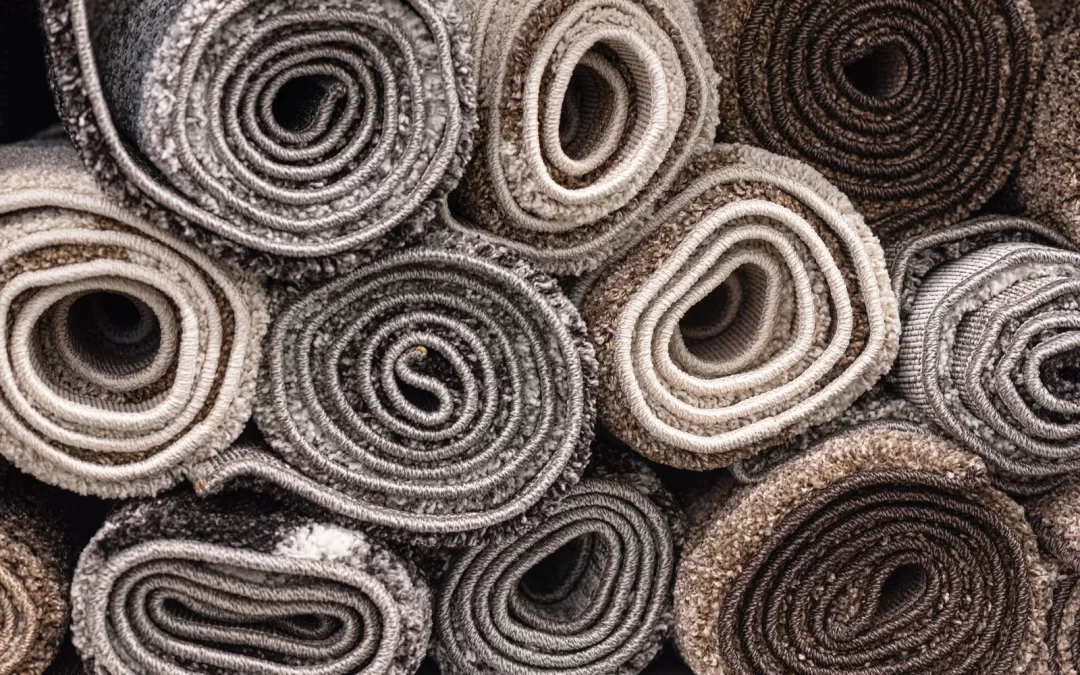
- Roll each section tightly and secure with duct tape.
- Do the same with the carpet padding underneath.
Breaking the carpet down into smaller, manageable pieces makes transport and disposal easier.
Step 3: Tack Strips and Staples
Around the perimeter of the room, tack strips hold the carpet in place. These are often nailed down and can be sharp. Use a pry bar or hammer to carefully lift them and place them into a sturdy container rather than loose garbage bags. Staples that hold the padding can be pulled out with pliers. This step ensures your subfloor is completely clear for your new flooring installation.
Step 4: Responsible Disposal Options
Once the carpet and padding are out, the question becomes What do you do with all that material? Simply leaving it on the curb isn’t always an option, and tossing it into the landfill isn’t the most eco-friendly solution.
Many cities encourage recycling old carpet when possible. Some fibers can be reused in products like insulation or automotive parts. Another option is donating lightly used carpet pieces to community groups or reuse centers. For those who want a quick, hassle-free solution, junk removal services Burnaby offer convenient pickup and eco-conscious disposal to save you time and effort. Professional disposal providers such as Canadian Empire Recycling also focus on eco-friendly methods, making sure your flooring waste doesn’t harm the environment.
Step 5: Special Considerations for Hazardous Waste
Not all carpet removal is straightforward. If your home is older or if the carpet has been exposed to water damage, pests, or adhesives containing hazardous materials, professional assistance may be required. For example, certain flooring glues or underlying insulation in older homes can contain asbestos. In these cases, handling it yourself can pose serious health risks. Professional services specializing in asbestos waste disposal Burnaby can ensure that hazardous materials are removed and disposed of safely according to environmental regulations.
Step 6: Clean the Subfloor
With the carpet gone, you’re left with the bare subfloor. This is the perfect time to do a deep clean. Vacuum thoroughly to pick up dust and leftover fibers. Inspect the subfloor for damage, moisture, or uneven areas that may need repair before installing your new flooring.
Step 7: Ready for New Floors
Now that your space is clear, your installers can begin laying down your new floors without delay. By tackling carpet removal early and carefully, you’ve made the process smoother and faster, saving both time and money on installation day.
Carpet removal might seem like a daunting job, but with preparation, the right tools, and smart disposal choices, it can be a manageable task. Cutting the carpet into smaller pieces, handling tack strips carefully, and arranging for responsible disposal are the keys to success.
Whether you choose recycling, donation, or professional hauling, planning ensures your old carpet doesn’t just become another piece of landfill waste. Take the opportunity to declutter before your new floors arrive, and you’ll enjoy a healthier, cleaner living space. For professional help and eco-friendly disposal solutions, you can contact Canadian Empire Recycling to make the process stress-free and efficient.
Don’t wait until installation day; remove and dispose of old mats in advance. The effort you put into clearing out your space will make your flooring upgrade smoother and more rewarding.