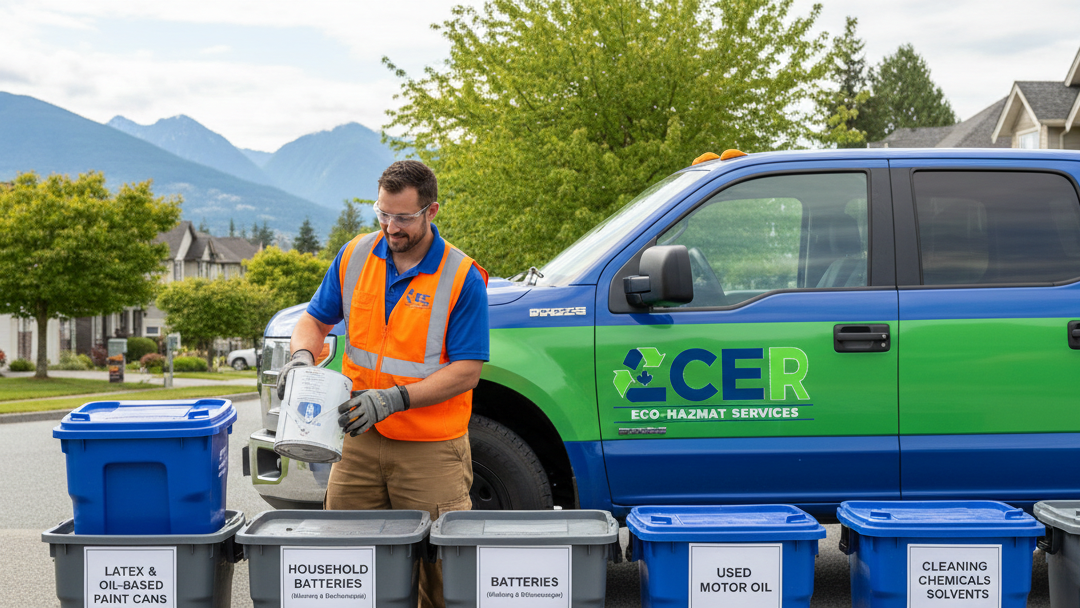
Proper hazardous waste disposal is not just a responsibility—it’s a necessity for protecting Vancouver’s environment, waterways, wildlife, and public health. From leftover paint cans in the garage to expired cleaning chemicals under the sink, many households unknowingly store or discard hazardous materials incorrectly. These mistakes may seem small, but they can lead to serious environmental damage, legal penalties, and safety risks.
1. Throwing Hazardous Waste in Regular Garbage Bins
One of the most common mistakes residents make is placing hazardous materials directly into regular trash bins. Items like batteries, fluorescent light bulbs, solvents, pesticides, aerosol cans, and motor oil should never go into household garbage.
When hazardous materials end up in landfills, they can leak toxic chemicals into soil and groundwater. This contamination can affect local ecosystems and even drinking water sources. In a city like Vancouver—where environmental sustainability is a top priority—improper disposal contradicts community efforts to maintain clean neighborhoods and waterways.
Always separate hazardous waste from regular garbage and check for proper disposal options in your area.
2. Pouring Chemicals Down the Drain
Many people assume that pouring small amounts of chemicals down the sink or toilet is harmless. However, wastewater treatment plants are not designed to remove all toxic substances. Chemicals like paint thinner, bleach, cleaning solvents, and pesticides can pass through treatment systems and enter local rivers and oceans.
This mistake can disrupt aquatic life and pollute Vancouver’s coastal environment. Even products labeled as “household cleaners” may contain substances that should not be released into the water system in large quantities.
Instead of pouring chemicals down the drain, look for designated Household Hazardous Waste Disposal Vancouver programs that safely collect and manage these materials.
3. Storing Hazardous Waste for Too Long
Another common mistake is keeping hazardous materials in garages, basements, or sheds for years. Over time, containers can rust, crack, or leak—especially in areas exposed to temperature changes.
Old gasoline, paint cans, propane tanks, and chemical cleaners can become unstable. Leaking containers pose fire hazards, toxic fumes, and health risks to children and pets. Vancouver homes, particularly older properties, may not have adequate storage conditions for such materials.
If you no longer need a hazardous product, dispose of it promptly rather than letting it accumulate.
4. Mixing Different Hazardous Materials
Some residents believe that combining different chemicals into one container makes disposal easier. In reality, mixing substances can create dangerous chemical reactions. For example, combining bleach with ammonia releases toxic chloramine gas.
Mixing paint types, solvents, or automotive fluids can also increase fire risks and make safe disposal more complicated. Hazardous waste facilities require materials to be separated and clearly labeled to ensure safe processing.
Keep products in their original containers whenever possible and never experiment with mixing chemicals.
5. Ignoring Label Instructions
Product labels often include disposal guidelines, but many people overlook them. Instructions may specify whether an item can be recycled, returned to a depot, or requires special handling.
Ignoring these instructions can result in improper disposal and environmental harm. Vancouver has clear waste management guidelines, and residents are encouraged to follow them carefully.
Taking a few minutes to read the label can prevent long-term consequences.
6. Disposing of E-Waste Improperly
Electronics such as old laptops, cell phones, printers, and TVs contain heavy metals like lead and mercury. Throwing them in the trash is a serious mistake.
Improper e-waste disposal contributes to toxic landfill contamination and wastes valuable recyclable materials. Many residents are unaware that electronic waste falls under Hazardous Waste Disposal Vancouver regulations due to the harmful substances they contain.
Instead of discarding electronics in regular garbage, use certified recycling programs or professional disposal services.
7. Not Knowing What Qualifies as Hazardous Waste
A major issue is simply not recognizing what counts as hazardous waste. Many everyday household items fall into this category, including:
- Paint and paint thinners
- Automotive fluids (oil, antifreeze, brake fluid)
- Cleaning chemicals
- Batteries
- Pesticides and fertilizers
- Propane tanks
- Fluorescent bulbs
When residents are unaware that these materials require special disposal, they may accidentally handle them incorrectly.
Education is key. Understanding what constitutes hazardous waste helps ensure proper handling and reduces environmental impact.
8. Relying on Informal Disposal Methods
Some residents attempt to give away leftover chemicals or dispose of them through informal channels without verifying proper handling procedures. While donating usable items can be beneficial, it’s important to ensure they are safe, properly sealed, and legally transferable.
Improper informal disposal can shift the risk to someone else and may still violate local waste management rules.
Always confirm that disposal methods comply with Vancouver regulations.
9. Waiting Until an Emergency Occurs
Many households only think about hazardous waste disposal when there’s a spill, leak, or emergency. Unfortunately, by that point, the situation may already pose safety risks.
Proactive disposal is far safer than reactive cleanup. Regularly reviewing stored materials in your home can help you identify items that need to be discarded safely.
Scheduling periodic clean-outs prevents hazardous waste from accumulating.
10. Not Using Professional Services When Needed
Certain types of hazardous waste—especially large quantities, chemicals from renovations, or contaminated materials—require professional expertise. Attempting to transport or dispose of these items without proper knowledge can be dangerous.
Professional services ensure safe handling, regulatory compliance, and environmentally responsible disposal. This is particularly important for residents involved in home improvement projects, garage cleanouts, or property management.
Why Proper Hazardous Waste Disposal Matters
Vancouver is known for its commitment to sustainability and environmental stewardship. Improper hazardous waste disposal undermines these efforts and threatens the city’s natural beauty.
Safe disposal:
- Protects local water systems
- Reduces landfill contamination
- Prevents fire and explosion risks
- Protects sanitation workers
- Ensures compliance with local regulations
When residents take responsibility for proper disposal, they contribute to a cleaner and safer community.
Choose a Responsible Disposal Partner
If you’re unsure how to manage hazardous materials in your home, professional help is available. Canadian Empire Recycling offers reliable and compliant solutions for hazardous waste management in Vancouver. Whether you’re dealing with leftover renovation chemicals, old automotive fluids, or unwanted household materials, their team can guide you through safe and efficient disposal options.
Contact Canadian Empire Recycling, and Vancouver residents can avoid costly mistakes and ensure hazardous waste is handled responsibly.
Make informed decisions, follow local guidelines, and seek professional support when needed. Responsible disposal today ensures a safer and cleaner Vancouver for future generations.
Frequently Asked Questions
Can I throw small amounts of hazardous waste in the regular garbage?
No. Even small quantities of hazardous materials should not be placed in regular trash bins. These items can leak harmful substances into landfills, contaminate soil and water, and pose risks to sanitation workers. It’s important to use approved disposal or recycling programs in Vancouver.
Where can I take hazardous waste in Vancouver?
Vancouver residents can use designated depots and certified collection programs for safe disposal. Many facilities are specifically set up for Household Hazardous Waste Disposal in Vancouver, ensuring materials are handled according to environmental regulations. Professional waste management companies can also assist with collection and disposal.
Why is hazardous waste disposal important for the environment?
Improper disposal can contaminate groundwater, harm wildlife, pollute oceans, and create fire or explosion hazards. Safe Hazardous Waste Disposal Vancouver practices help protect the city’s ecosystems, reduce landfill risks, and support Vancouver’s sustainability goals.
When should I hire a professional hazardous waste disposal service?
You should consider hiring professionals like Canadian Empire Recycling if you have large quantities of hazardous materials, renovation-related waste, automotive fluids, or chemicals that you are unsure how to handle.