Retail businesses generate a surprising amount of plastic waste every day. From shrink wrap and product packaging to shipping materials and plastic display components, these materials can quickly accumulate if they are not managed properly. While many businesses focus on reducing general waste, commercial plastic often represents one of the largest opportunities to improve sustainability and lower disposal costs.
An effective Commercial Plastic Recycling Vancouver strategy helps retailers recover recyclable materials, reduce landfill waste, improve operational efficiency, and demonstrate environmental responsibility to customers. With Vancouver continuing to emphasize waste diversion and sustainability, businesses that improve their recycling practices are also strengthening their long-term competitiveness.
Why Commercial Plastic Recycling Matters for Retail Businesses
Retail stores receive thousands of products packaged in plastic every year. Without proper sorting, recyclable plastics often end up mixed with general waste, reducing recycling rates and increasing disposal expenses.
A structured recycling program helps businesses:
- Reduce landfill waste
- Lower waste handling costs
- Improve workplace organization
- Increase recycling efficiency
- Support corporate sustainability goals
- Build a stronger environmental reputation
For many retailers, improving Commercial Waste Recycling Vancouver begins with understanding the different plastic materials entering the business every day.
Identify the Types of Plastic Your Business Generates
Before improving recycling, businesses should evaluate their waste stream.
Common commercial plastics include:
- Stretch wrap
- Shrink wrap
- Plastic pallets
- Bubble wrap
- Plastic strapping
- Poly bags
- Product packaging
- Plastic containers
- Plastic film
- Rigid plastic packaging
Conducting a simple waste audit allows retailers to identify which plastics are recyclable and which require specialized handling.
Separate Plastic at the Source
One of the biggest reasons recyclable plastic ends up in landfill is contamination.
Retail employees should separate plastics as soon as waste is generated instead of combining everything into one container.
Good practices include:
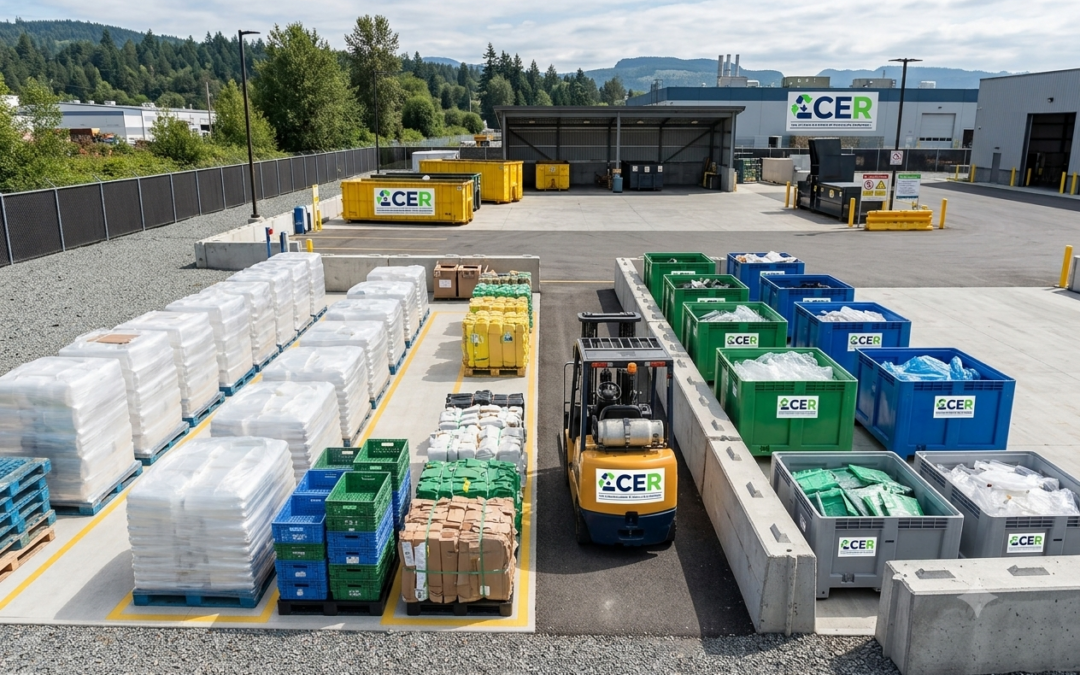
- Dedicated plastic recycling bins
- Clearly labelled collection stations
- Separate bins for cardboard and plastic
- Staff training on acceptable materials
- Regular monitoring of recycling areas
Proper source separation improves recovery rates while making collection more efficient.
Reduce Plastic Contamination
Clean plastic has significantly higher recycling value than contaminated material.
Retail businesses should avoid placing plastics contaminated with:
- Food waste
- Liquids
- Oil
- Chemicals
- Mixed materials
Contaminated loads may be rejected, increasing waste management costs and reducing recycling efficiency.
Train Employees on Recycling Procedures
Employees play a major role in successful recycling programs.
Training should cover:
- Which plastics can be recycled
- Proper sorting methods
- Handling contaminated materials
- Safe storage before collection
- Reporting contamination issues
Consistent employee education reduces mistakes and improves recycling performance across all store locations.
Create an Efficient Storage Area
Retail businesses often generate large volumes of lightweight plastic packaging.
A designated storage area helps:
- Prevent contamination
- Improve workplace safety
- Keep recyclable materials dry
- Make collection faster
- Reduce unnecessary handling
Keeping recyclable plastics organized also allows collection providers to process materials more efficiently.
Don’t Overlook Hazardous Plastic Waste
While most retail plastics are recyclable, certain plastic containers may have previously stored chemicals, solvents, paints, or cleaning products.
These materials should never be mixed with standard recycling because residue can contaminate an entire recycling load.
When plastic containers have held hazardous substances, businesses may require Hazardous Waste Disposal Vancouver to ensure these materials are managed safely and in accordance with environmental requirements.
Understanding the difference between recyclable plastic and hazardous waste helps retailers avoid costly disposal mistakes.
Monitor Recycling Performance
Businesses that regularly monitor recycling data often discover opportunities to improve efficiency.
Track:
- Monthly plastic recycling volume
- Waste disposal costs
- Contamination rates
- Employee participation
- Recycling collection frequency
Reviewing this information helps businesses make informed improvements over time.
Work with a Commercial Recycling Partner
An experienced recycling provider can help retailers identify recyclable materials, improve collection schedules, and reduce contamination.
Professional recycling services also ensure recyclable plastics are handled responsibly while helping businesses meet environmental objectives.
Choosing the right recycling partner can improve both operational efficiency and sustainability performance.
Commercial plastic recycling is more than simply placing plastic into a recycling bin. Successful retail businesses develop clear recycling procedures, educate employees, separate materials correctly, and continuously monitor waste streams. These practices reduce operational costs while supporting Vancouver’s commitment to environmental sustainability.
Partner with Canadian Empire Recycling & Disposal
If your retail business is looking to improve commercial plastic recycling, contact Canadian Empire Recycling & Disposal offers dependable recycling solutions tailored to commercial operations. Whether you need support with plastic collection, broader commercial waste services, or guidance on materials requiring specialized handling, their experienced team can help your business reduce waste, improve recycling performance, and operate more sustainably.
Frequently Asked Questions
Why is plastic contamination a problem?
Food residue, liquids, chemicals, and mixed materials can contaminate recyclable plastics, causing entire loads to be rejected and increasing disposal costs.
When is hazardous waste disposal required instead of plastic recycling?
Plastic containers that previously held chemicals, solvents, paints, or other hazardous substances should be handled through Hazardous Waste Disposal Vancouver rather than standard recycling.
How can retail businesses improve commercial plastic recycling?
Businesses can improve recycling by separating plastics at the source, training employees, reducing contamination, using dedicated recycling bins, and monitoring recycling performance.
What are the benefits of commercial plastic recycling?
Effective Commercial Plastic Recycling Vancouver programs help reduce landfill waste, lower disposal costs, improve operational efficiency, support sustainability goals, and strengthen a company's environmental reputation.