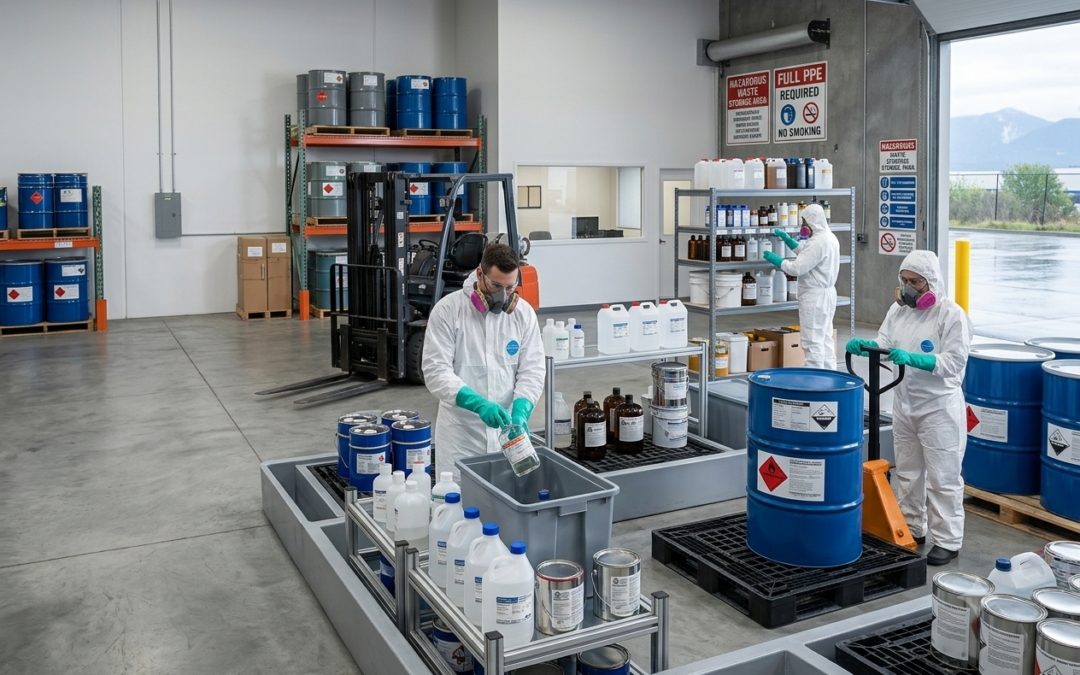
Businesses across Vancouver rely on chemicals to support manufacturing, automotive services, healthcare, construction, cleaning, and industrial operations. While these materials are essential for day-to-day activities, they eventually become waste that must be managed responsibly. Improper disposal of hazardous chemicals can threaten employee safety, damage the environment, and create compliance risks for businesses.
Understanding which chemicals qualify for professional Chemical Waste Disposal Vancouver services helps organizations protect their workplace while supporting sustainable waste management. Partnering with experienced providers like Canadian Empire Recycling & Disposal ensures hazardous chemicals are collected, transported, and disposed of safely and responsibly.
Why Is Commercial Chemical Waste Disposal Important?
Commercial hazardous chemicals require specialized handling because many are:
- Flammable
- Corrosive
- Toxic
- Reactive
- Environmentally hazardous
Professional Hazardous Waste Disposal Vancouver helps businesses reduce environmental risks, improve workplace safety, and manage hazardous materials responsibly.
What Types of Chemicals Can Be Disposed of Through Commercial Hazardous Waste Disposal?
Industrial Solvents
Manufacturing plants, automotive facilities, and fabrication shops commonly generate waste solvents such as:
- Paint thinners
- Degreasers
- Cleaning solvents
- Industrial strippers
- Adhesive removers
These products should never be poured into drains or disposed of with regular commercial waste.
Paints, Coatings, and Finishing Products
Commercial facilities frequently dispose of:
- Oil-based paints
- Industrial coatings
- Primers
- Wood finishes
- Protective sealants
- Paint sludge
These materials often contain hazardous compounds requiring specialized collection and treatment.
Acids and Alkalis
Many industrial and laboratory operations use chemicals such as:
- Hydrochloric acid
- Sulfuric acid
- Nitric acid
- Sodium hydroxide
- Potassium hydroxide
Proper containment and disposal prevent dangerous chemical reactions and environmental contamination.
Automotive Chemicals
Vehicle repair shops regularly generate hazardous materials, including:
- Brake fluid
- Transmission fluid
- Engine degreasers
- Fuel additives
- Parts cleaning chemicals
- Coolants contaminated with chemicals
These waste streams require professional handling rather than standard disposal methods.
Laboratory Chemicals
Educational institutions, research facilities, and laboratories often dispose of:
- Chemical reagents
- Testing solutions
- Expired laboratory chemicals
- Sample preservatives
- Analytical compounds
Each material requires careful identification before disposal.
Cleaning Chemicals
Commercial cleaning operations may accumulate:
- Industrial disinfectants
- Heavy-duty cleaners
- Floor stripping chemicals
- Concentrated detergents
- Sanitation products
Expired or unused products should be managed through commercial hazardous waste programs.
Adhesives and Resins
Manufacturing and construction businesses frequently discard:
- Epoxy resins
- Industrial adhesives
- Bonding agents
- Polyurethane products
- Chemical sealants
These products often contain hazardous ingredients unsuitable for landfill disposal.
Agricultural Chemicals
Commercial agricultural operations may require disposal of:
- Fertilizers
- Herbicides
- Pesticides
- Fungicides
- Plant treatment chemicals
Professional collection minimizes environmental impact while protecting surrounding ecosystems.
Which Vancouver Industries Generate Hazardous Chemical Waste?
Many commercial sectors rely on professional hazardous waste services, including:
- Manufacturing facilities
- Automotive repair shops
- Construction companies
- Property management firms
- Warehouses
- Food processing facilities
- Healthcare clinics
- Laboratories
- Educational institutions
- Marine businesses
Each industry produces unique waste streams that require customized disposal solutions.
How Should Businesses Store Chemical Waste Before Collection?
Safe storage is essential before collection takes place.
Best practices include:
- Keep chemicals in approved containers.
- Clearly label every container.
- Store incompatible chemicals separately.
- Prevent leaks using secondary containment.
- Keep storage areas dry and well ventilated.
- Restrict access to authorized personnel.
- Inspect containers regularly for damage.
Proper storage reduces workplace hazards while simplifying collection.
Why Should Chemicals Never Be Mixed?
Mixing hazardous chemicals can create:
- Toxic gases
- Fire hazards
- Violent chemical reactions
- Container failures
- Environmental contamination
Businesses should always segregate waste streams until professional collection is arranged.
How Does Commercial Hazardous Waste Disposal Support Sustainability?
Professional hazardous waste management contributes to environmental sustainability by:
- Preventing soil contamination
- Protecting groundwater
- Reducing pollution
- Supporting responsible resource recovery
- Improving workplace safety
- Encouraging environmentally responsible business operations
Many recyclable materials recovered during the disposal process also support Commercial Waste Recycling Vancouver initiatives by reducing landfill dependence.
Why Choose Canadian Empire Recycling & Disposal?
Businesses throughout Vancouver trust Canadian Empire Recycling & Disposal for reliable commercial hazardous waste management. Their experienced team provides safe collection, transportation, and disposal solutions for a wide range of hazardous chemicals generated by commercial and industrial operations.
Whether your business requires routine chemical collection or comprehensive hazardous waste management, they deliver dependable solutions tailored to your operational requirements while supporting environmental responsibility.
Commercial chemical waste requires careful handling to protect employees, customers, and the environment. Understanding which chemicals qualify for professional disposal helps businesses reduce risk while maintaining cleaner and safer workplaces.
From solvents and industrial cleaners to laboratory chemicals and automotive fluids, professional Chemical Waste Disposal Vancouver services ensure hazardous materials are managed responsibly. By partnering with Canadian Empire Recycling & Disposal, Vancouver businesses can strengthen their environmental commitment while improving operational efficiency.
If your business needs dependable Chemical Waste Disposal, Canadian Empire Recycling & Disposal is ready to help. Their experienced team provides customized hazardous waste collection and disposal solutions for commercial and industrial facilities across Vancouver. Contact Canadian Empire Recycling & Disposal to build a safer, cleaner, and more environmentally responsible waste management program.
Frequently Asked Questions
Can businesses dispose of different hazardous chemicals together?
No. Different chemicals should always be stored separately because mixing incompatible substances can create dangerous reactions and increase safety risks.
Which industries need Chemical Waste Disposal Vancouver services?
Manufacturing facilities, automotive repair shops, laboratories, healthcare providers, construction companies, warehouses, educational institutions, and property management companies commonly require professional chemical waste disposal.
Why is proper hazardous chemical disposal important?
Proper Hazardous Waste Disposal Vancouver helps protect employees, prevents environmental contamination, reduces liability, and supports responsible commercial waste management.
Why choose Canadian Empire Recycling & Disposal?
Canadian Empire Recycling & Disposal provides reliable commercial hazardous waste collection, transportation, and disposal services that help Vancouver businesses safely manage chemical waste while supporting environmental sustainability.