
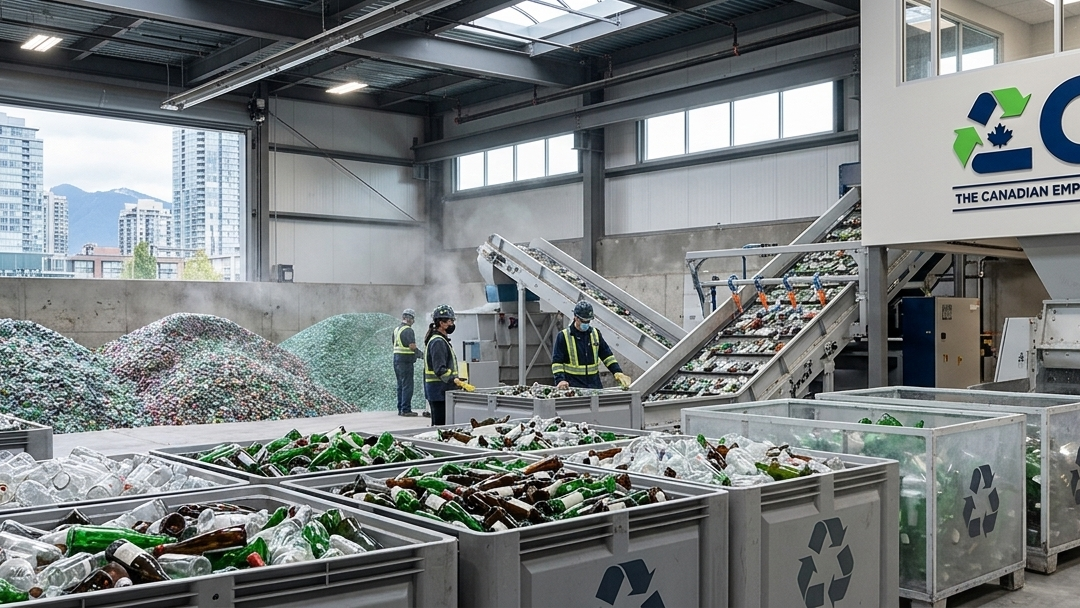
Glass recycling plays a crucial role in protecting Canada’s environment, reducing waste, conserving natural resources, and lowering greenhouse gas emissions. As environmental concerns continue to grow, more Canadians are recognizing the importance of responsible waste management. Glass, being 100% recyclable and endlessly reusable, stands out as one of the most eco-friendly materials when properly handled.
The Environmental Impact of Glass Waste
Glass is commonly used in everyday items such as bottles, jars, and packaging materials. However, when not recycled, it often ends up in landfills. Unlike organic materials, glass does not decompose. It can take millions of years to break down, occupying valuable landfill space and contributing to environmental pollution.
In Canada, waste management is a growing challenge, especially in urban areas. Improper disposal of glass increases landfill overflow and leads to unnecessary extraction of raw materials like sand, soda ash, and limestone. These mining activities harm ecosystems, disrupt wildlife habitats, and consume large amounts of energy.
How Glass Recycling Helps the Environment
1. Reduces Landfill Waste
Recycling glass significantly reduces the volume of waste sent to landfills. By reusing existing glass materials, we can extend landfill life and decrease environmental pressure.
2. Conserves Natural Resources
Every ton of recycled glass saves over a ton of natural resources. This reduces the need for mining and protects natural landscapes across Canada.
3. Saves Energy
Manufacturing new glass from recycled materials uses up to 30% less energy compared to producing it from raw materials. Lower energy consumption means fewer fossil fuels are burned.
4. Cuts Greenhouse Gas Emissions
Reduced energy usage leads to lower carbon dioxide emissions. This helps Canada meet its climate goals and combat global warming.
5. Supports Circular Economy
Glass recycling promotes a circular economy where materials are reused rather than discarded. This sustainable approach benefits both the environment and the economy.
The Role of Glass Recycling in Vancouver
In cities like Vancouver, recycling programs are becoming more advanced and accessible. Glass Recycling Vancouver initiatives encourage residents and businesses to separate glass waste and ensure it is processed correctly.
Local recycling facilities clean, crush, and melt glass to create new products such as bottles, construction materials, and fiberglass. These programs not only reduce waste but also create jobs and support the local economy.
Vancouver’s strong environmental policies and community participation have made it a leader in sustainable waste management. However, continued awareness and participation are essential to maintain progress.
Importance of Commercial Waste Programs
Businesses generate a significant amount of glass waste, especially in industries like hospitality, retail, and food services. This is where commercial waste Vancouver programs play a vital role.
Proper waste management systems help businesses:
- Reduce environmental impact
- Comply with regulations
- Improve brand reputation
- Lower disposal costs
By implementing structured recycling practices, businesses can contribute to sustainability while also benefiting financially. Commercial recycling services ensure that large volumes of glass are collected and processed efficiently.
Challenges in Glass Recycling
Despite its benefits, glass recycling faces some challenges:
- Contamination: Mixing glass with other waste materials can make recycling difficult.
- Transportation Costs: Glass is heavy, making transportation expensive.
- Lack of Awareness: Many people are still unaware of proper recycling practices.
Addressing these issues requires better education, improved infrastructure, and stronger community participation.
Tips for Effective Glass Recycling
To maximize the benefits of glass recycling, follow these simple tips:
- Rinse glass containers before recycling
- Remove lids and caps if required
- Avoid mixing glass with non-recyclable materials
- Use designated recycling bins
- Support local recycling programs
Small actions at the individual level can lead to significant environmental impact.
The Future of Glass Recycling in Canada
Canada is continuously improving its recycling systems through innovation and policy changes. Advanced sorting technologies and government initiatives are making recycling more efficient and accessible.
Public awareness campaigns are also encouraging more people to participate in recycling programs. As sustainability becomes a priority, glass recycling will play an even bigger role in reducing environmental damage.
Glass recycling is a powerful tool in protecting Canada’s environment. It reduces landfill waste, conserves resources, saves energy, and lowers emissions. Whether at home or in business, everyone has a role to play in promoting sustainable practices.
If you’re looking for reliable recycling solutions, Contact Canadian Empire Recycling & Disposal for professional services to help manage your waste responsibly. Their expertise ensures that glass and other materials are handled efficiently, supporting a cleaner and greener future.
Frequently Asked Questions
Can glass be recycled endlessly?
Yes, glass can be recycled 100% and reused indefinitely without losing quality.
What types of glass can be recycled?
Most food and beverage containers, like bottles and jars, can be recycled. However, items like mirrors and window glass may require special handling.
How does glass recycling save energy?
Recycling glass uses less energy compared to producing new glass from raw materials, reducing overall energy consumption.
How can businesses improve their recycling efforts?
Businesses can implement structured waste management systems, partner with recycling services, and educate employees on proper recycling practices.