
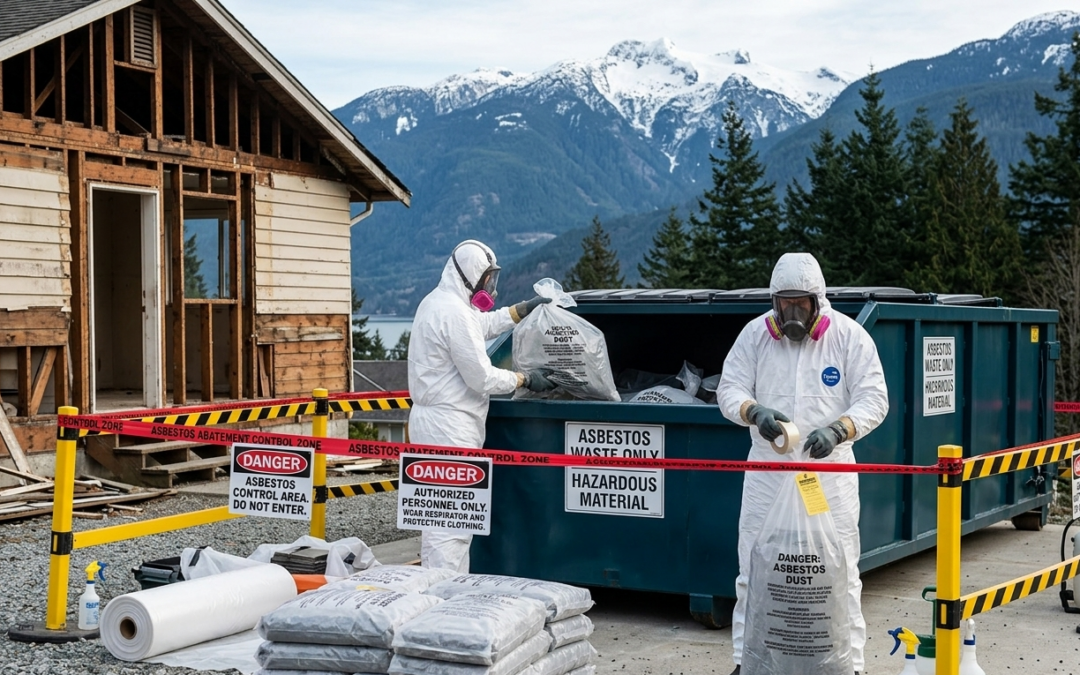
Renovation projects can breathe new life into homes, commercial buildings, and industrial facilities. Whether upgrading an older residence, modernizing a retail space, or renovating a workplace, construction activities often uncover hidden materials that require special handling. One of the most significant concerns in older buildings is asbestos. Without a proper disposal plan, asbestos-containing materials can create serious health, environmental, and legal risks.
For property owners, contractors, and project managers in Squamish, understanding the importance of Asbestos Waste Disposal Squamish services is essential. A well-planned approach to asbestos waste management helps protect workers, occupants, and the surrounding environment while ensuring projects remain compliant and on schedule.
Understanding Asbestos and Its Risks
Asbestos is a naturally occurring mineral that was widely used in building materials throughout much of the twentieth century. Due to its durability, heat resistance, and insulating properties, asbestos was commonly found in:
- Insulation materials
- Ceiling tiles
- Floor tiles
- Roofing products
- Pipe insulation
- Cement products
- Textured wall and ceiling coatings
- Adhesives and sealants
Although asbestos was once considered a valuable construction material, it is now recognized as a significant health hazard. When asbestos-containing materials are disturbed during renovation or demolition activities, microscopic fibers can become airborne and pose serious health risks if inhaled.
Why Renovation Projects Often Encounter Asbestos
Many buildings constructed before the 1990s may contain asbestos in one or more building components. During renovation work, walls, ceilings, flooring, roofing materials, and insulation systems are frequently removed or altered, increasing the likelihood of asbestos exposure.
Common renovation activities that may disturb asbestos include:
- Kitchen remodeling
- Bathroom renovations
- Flooring replacement
- Roof repairs
- Structural alterations
- Interior demolition
- HVAC upgrades
- Plumbing renovations
Without proper planning, these activities can release asbestos fibers into the air and create hazardous conditions for workers and occupants.
Health Risks Associated with Asbestos Exposure
The primary concern with asbestos is the inhalation of airborne fibers. Once inhaled, these fibers can become lodged in the lungs and remain there for years.
Long-term exposure has been linked to serious health conditions, including:
- Lung disease
- Asbestosis
- Lung cancer
- Mesothelioma
- Other respiratory illnesses
Because symptoms may take decades to develop, preventing exposure during renovation projects is critical.
The Importance of an Asbestos Waste Disposal Plan
Many property owners focus heavily on renovation design, budgeting, and scheduling while overlooking waste management planning. However, asbestos waste disposal should be a priority from the earliest stages of a project.
A disposal plan helps ensure:
- Safe handling of hazardous materials
- Regulatory compliance
- Worker protection
- Efficient project execution
- Reduced environmental impact
- Lower liability risks
Proper planning can prevent costly delays and unexpected complications during construction.
Identifying Asbestos Before Renovation Begins
One of the most effective ways to manage asbestos risks is through pre-renovation inspections.
Before starting work, qualified professionals can assess the property and identify materials that may contain asbestos. Laboratory testing may be performed on suspect materials to confirm their composition.
Early identification provides several advantages:
- Improved project planning
- Accurate budgeting
- Safer work procedures
- Compliance with applicable regulations
- Reduced risk of accidental exposure
Ignoring this step can result in significant disruptions once renovation work is underway.
Safe Removal and Containment Procedures
If asbestos-containing materials are discovered, proper removal procedures must be followed. Depending on the condition and location of the material, specialized containment measures may be required.
Typical safety practices include:
- Establishing restricted work areas
- Using protective equipment
- Sealing work zones
- Controlling airborne dust
- Utilizing specialized removal techniques
- Conducting thorough cleanup procedures
These measures help prevent asbestos fibers from spreading throughout the building and surrounding environment.
Environmental Considerations
Improper disposal of asbestos waste can have lasting environmental consequences. Materials discarded in unauthorized locations may contaminate soil and potentially affect nearby ecosystems.
Responsible disposal practices help:
- Protect natural habitats
- Prevent contamination
- Reduce public health risks
- Support environmental sustainability
- Ensure compliance with waste management regulations
For this reason, professional Asbestos Waste Disposal Squamish services play a vital role in protecting both communities and the environment.
Regulatory Compliance and Legal Responsibilities
Property owners and contractors share responsibility for ensuring asbestos is managed correctly during renovation projects. Failure to comply with applicable regulations can result in:
- Project shutdowns
- Fines and penalties
- Increased liability
- Legal disputes
- Additional cleanup costs
Maintaining proper documentation, following approved procedures, and working with experienced waste management professionals can help avoid these issues.
Reducing Project Delays
Unexpected asbestos discoveries can significantly impact project timelines. Construction activities may need to stop while assessments, testing, removal, and disposal procedures are completed.
By incorporating asbestos management into project planning from the beginning, property owners can:
- Minimize disruptions
- Improve scheduling accuracy
- Avoid emergency remediation costs
- Maintain contractor productivity
- Complete renovations more efficiently
Proactive planning often saves both time and money throughout the renovation process.
The Role of Professional Disposal Services
Handling asbestos waste requires specialized knowledge, equipment, and disposal procedures. Professional disposal providers help ensure hazardous materials are transported and managed according to regulatory requirements.
Benefits of professional services include:
- Safe waste handling
- Regulatory compliance
- Proper transportation procedures
- Environmental protection
- Documentation support
- Reduced liability exposure
Working with qualified disposal professionals provides peace of mind while helping projects proceed safely.
Best Practices for Property Owners and Contractors
To improve asbestos management during renovation projects, consider the following best practices:
Conduct Pre-Renovation Assessments
Always inspect older buildings before beginning demolition or renovation activities.
Educate Project Teams
Ensure contractors and workers understand asbestos risks and proper safety procedures.
Develop a Waste Management Plan
Include hazardous material handling and disposal procedures in project planning documents.
Work with Experienced Professionals
Partner with qualified inspectors, removal specialists, and waste disposal providers.
Maintain Documentation
Keep records of inspections, testing, removal activities, and disposal procedures.
These steps help create safer worksites and support successful project outcomes.
Supporting Safer Renovation Projects in Squamish
As Squamish continues to grow and older properties undergo modernization, responsible asbestos waste management remains increasingly important. Renovation projects that include proper planning for hazardous materials are better positioned to protect workers, occupants, and the environment while avoiding costly delays and compliance issues.
Whether renovating a residential property, commercial building, or industrial facility, incorporating asbestos waste disposal planning into every stage of the project helps ensure safer, more efficient results.
If your renovation project requires professional asbestos waste management support, Canadian Empire Recycling & Disposal can help. Their experienced team provides reliable waste disposal solutions designed to support safe and compliant renovation, construction, and demolition projects. From hazardous material handling to environmentally responsible disposal practices, Canadian Empire Recycling & Disposal offers dependable services tailored to your project needs. Contact Canadian Empire Recycling & Disposal today to learn more about asbestos waste disposal solutions in Squamish.