
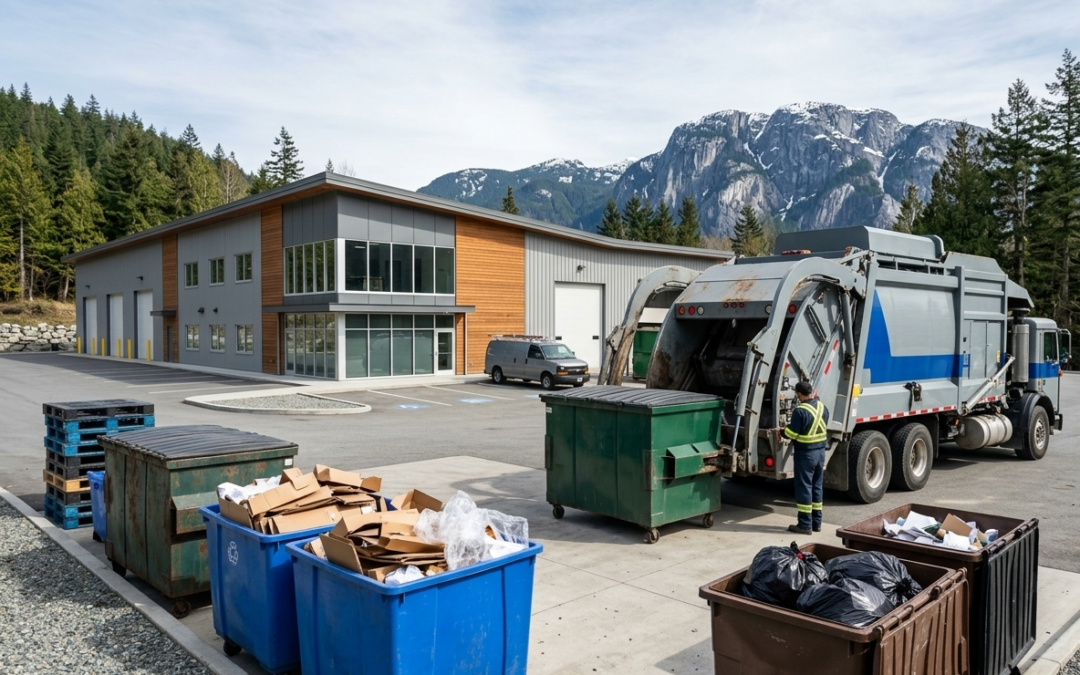
Waste disposal is a necessary part of running any business, but many companies in Squamish are surprised to learn that they may be paying significantly more than necessary. While disposal costs can seem straightforward at first glance, several hidden factors influence how much a business ultimately spends on waste management.
From inefficient waste sorting to missed recycling opportunities, small decisions can have a major impact on operating expenses. Understanding these factors can help local businesses reduce costs while improving environmental performance.
The Real Cost of Business Waste
Many business owners focus only on collection fees. However, waste management costs often extend beyond pickup services.
Factors that influence disposal expenses include:
- Waste volume
- Material type
- Collection frequency
- Contamination levels
- Recycling opportunities
- Transportation requirements
- Disposal facility charges
Companies that actively manage these areas often spend less on waste services compared to businesses that rely solely on routine disposal practices.
Excess Waste Generation
One of the biggest reasons businesses pay more is simply producing more waste than necessary.
Retail stores, offices, restaurants, and construction companies often discard materials that could be reused, recycled, or diverted from landfill disposal.
Common examples include:
- Cardboard packaging
- Plastic wrap
- Shipping materials
- Scrap metal
- Wood waste
- Paper products
Reducing unnecessary waste generation can lower disposal requirements and decrease overall costs.
Recycling Opportunities Are Often Missed
Many organizations place recyclable materials into general waste containers without realizing their value.
A strong Commercial Waste Recycling strategy can help businesses divert significant amounts of material from landfills.
Recycling programs can support the recovery of:
- Cardboard
- Mixed paper
- Plastics
- Metal products
- Wood materials
- Certain construction debris
The more materials that are successfully diverted, the less businesses typically pay for landfill disposal.
Improper Waste Sorting Creates Extra Costs
Waste contamination is another common problem.
When recyclable materials are mixed with non-recyclable waste, entire loads may become more difficult and expensive to process.
Proper waste separation allows materials to move into the correct recycling streams and reduces unnecessary disposal fees.
Simple employee training and clearly labeled bins can often improve sorting efficiency throughout a workplace.
Collection Frequency Matters
Some businesses schedule waste pickups more frequently than necessary.
While regular collection is important, excessive pickups can increase operating expenses over time.
Conducting periodic waste audits helps determine whether collection schedules match actual waste generation levels.
Businesses that optimize pickup frequency often find opportunities for meaningful cost savings without affecting daily operations.
Construction and Renovation Projects Can Increase Costs
Temporary projects frequently generate large amounts of waste over short periods.
Materials such as:
- Drywall
- Lumber
- Concrete
- Roofing products
- Packaging materials
require proper handling and disposal.
Without a clear waste management plan, disposal expenses can rise quickly during construction or renovation activities.
Professional commercial waste recycling Squamish helps businesses manage these projects more efficiently while maximizing diversion opportunities.
Landfill Fees Continue to Rise
Across British Columbia, landfill space remains a valuable resource.
As disposal facilities face increasing demand and environmental requirements, tipping fees and disposal charges continue to grow.
Businesses that rely heavily on landfill disposal may experience higher long-term operating costs compared to organizations that prioritize recycling and recovery programs.
This trend is encouraging many companies to rethink how waste is managed throughout their operations.
Sustainability Can Improve Financial Performance
Many business owners assume sustainability initiatives increase costs. In reality, effective waste reduction strategies often generate savings.
Benefits may include:
- Lower disposal expenses
- Reduced waste volume
- Improved operational efficiency
- Better resource utilization
- Enhanced brand reputation
Businesses that view waste as a manageable resource rather than a disposal problem often achieve stronger long-term results.
Choosing the Right Waste Management Partner
The company responsible for handling waste can significantly impact both costs and environmental outcomes.
An experienced provider can help businesses:
- Identify recycling opportunities
- Improve waste diversion rates
- Reduce landfill dependency
- Optimize collection schedules
- Handle specialized materials safely
A customized waste management approach often delivers better results than one-size-fits-all disposal programs.
How Squamish Businesses Can Lower Waste Costs
Organizations looking to reduce waste expenses should consider:
- Conducting regular waste audits.
- Expanding recycling efforts.
- Improving waste separation practices.
- Reviewing collection schedules.
- Training employees on proper disposal procedures.
- Partnering with experienced waste management professionals.
Even small adjustments can lead to noticeable reductions in monthly disposal costs.
For businesses seeking reliable waste management solutions, Canadian Empire Recycling & Disposal provides professional services designed to improve efficiency, support sustainability goals, and reduce unnecessary disposal expenses. Whether you need assistance with commercial waste collection, recycling programs, construction debris management, or customized waste solutions, the team can help. Contact Canadian Empire Recycling & Disposal today to learn how smarter waste management can benefit your Squamish business.