
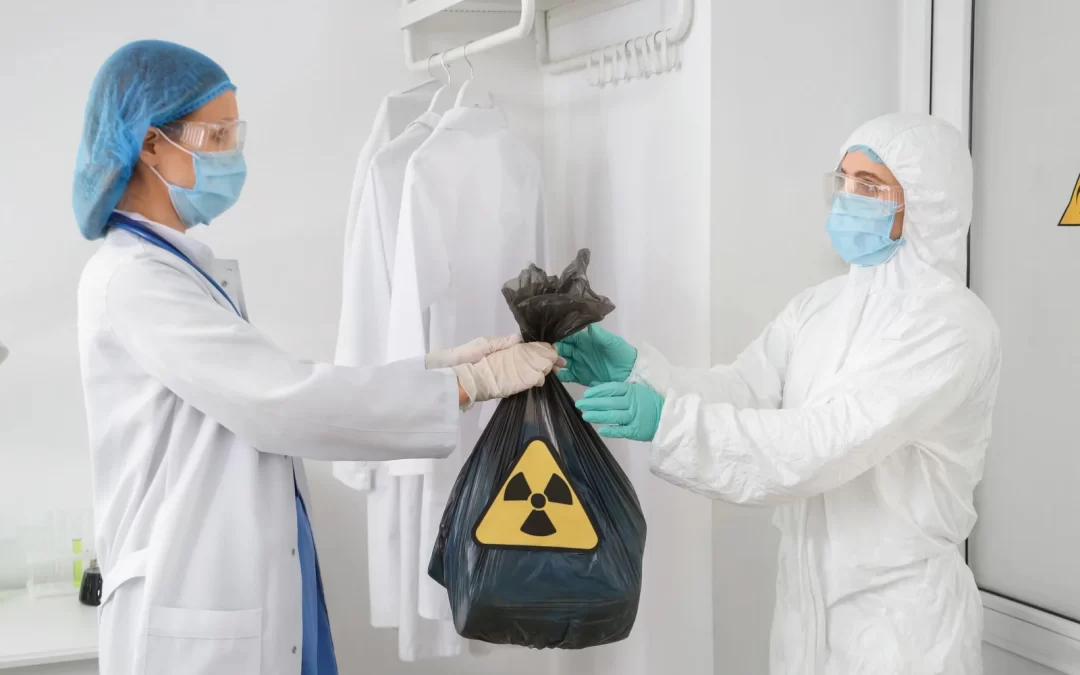
In Squamish, businesses, contractors, and even households generate materials that can’t just be tossed into regular garbage bins. Some of these materials contain chemicals or elements that pose serious risks to people, wildlife, and the environment. These are known as hazardous wastes, and they must be managed carefully under British Columbia’s strict environmental laws.
Understanding what qualifies as hazardous waste and how to dispose of it safely helps companies stay compliant while protecting the community. Here’s a clear breakdown of what falls under Hazardous Waste Disposal and why proper handling is so important.
What Makes Waste “Hazardous”?
Hazardous waste is defined by its chemical composition and potential danger. In general, any material that is toxic, flammable, corrosive, or reactive falls into this category.
- Toxic: Poisonous to humans, plants, or animals.
- Flammable: Easily ignites and burns, even at low temperatures.
- Corrosive: Can damage metals or living tissue through chemical reactions.
- Reactive: Can explode or release toxic gases when mixed with other substances.
Such waste cannot be mixed with ordinary trash or poured down drains; it must be handled by professionals trained in hazardous materials management.
1. Paints, Solvents, and Thinners
One of the most common forms of hazardous waste comes from renovation and construction projects. Leftover paint, varnish, stains, and solvents contain chemicals that can contaminate soil and water.
When disposed of improperly, these materials release harmful compounds into the air or seep into groundwater. Instead, they should be collected in sealed containers and sent to approved waste depots for safe treatment and recycling.
2. Oils, Lubricants, and Automotive Fluids
Auto repair shops, service stations, and industrial facilities frequently produce hazardous fluids such as motor oil, brake fluid, antifreeze, and hydraulic oils. These substances contain heavy metals and toxic additives that can harm aquatic life if leaked into waterways.
Licensed disposal services collect and recycle these fluids, ensuring they’re processed safely without environmental damage.
3. Batteries
All types of batteries, including lithium-ion, lead-acid, nickel-cadmium, and alkaline, contain metals and electrolytes that make them hazardous. When discarded in regular bins, they can leak corrosive liquids or even catch fire.
Businesses should use designated drop-off programs or recycling services that safely extract reusable metals while neutralizing harmful components.
4. Cleaning Chemicals and Industrial Agents
Commercial cleaning products, degreasers, and disinfectants often contain corrosive acids or toxic solvents. These materials require proper storage, labeling, and disposal through hazardous waste programs to prevent injuries and contamination.
In particular, janitorial companies and industrial cleaners must ensure chemical waste never enters regular sewage systems.
5. Pesticides and Herbicides
Agricultural and landscaping businesses commonly use chemical-based pest control and weed removal products. Once expired or unused, these compounds can remain active for years, threatening soil health and water quality.
To avoid contamination, they must be collected in sealed containers and disposed of through authorized hazardous waste handlers.
6. Electronic Waste (E-Waste)
Modern electronics contain circuit boards, solder, and internal batteries that can release toxic metals like lead, mercury, and cadmium. Devices such as old computers, printers, and phones are considered once discarded.
Responsible recycling centers extract valuable materials safely while ensuring toxins don’t enter the environment.
7. Fluorescent Bulbs and Lamps
Compact fluorescent lamps (CFLs) and fluorescent tubes contain mercury vapor, which is highly toxic even in small amounts. Breaking these bulbs can release dangerous fumes.
They must be handled with care and taken to designated collection depots that recycle or neutralize the mercury content safely.
8. Medical and Pharmaceutical Waste
Expired medication, used syringes, and biomedical supplies are also classified. These materials carry biological and chemical risks and cannot be disposed of through household trash or commercial dumpsters.
Licensed medical waste contractors ensure such items are sterilized, incinerated, or processed under controlled conditions.
9. Construction and Demolition Materials
During renovation or demolition projects, hazardous substances can often be found in older structures. These may include asbestos-containing insulation, lead-based paint, and treated wood.
Improper disposal of these materials can contaminate air and soil, endangering workers and nearby residents. Construction companies are legally required to work with certified hazardous waste handlers for safe removal and disposal.
10. Industrial By-Products and Contaminated Soil
Manufacturing and heavy industry can produce waste materials like sludge, metal shavings, and chemical residues. If these contain hydrocarbons, heavy metals, or solvents, they qualify as hazardous and must be treated or stabilized before disposal.
Contaminated soil from spill sites also falls into this category and requires professional cleanup and containment.
Why Proper Hazardous Waste Disposal Is Essential
Ignoring safe disposal rules can have serious consequences. Improperly managed hazardous waste can cause:
- Soil and water contamination that lasts decades.
- Air pollution from burning or leaking chemicals.
- Health hazards for workers and the public.
- Severe fines and penalties from provincial regulators.
In British Columbia, the Environmental Management Act and Hazardous Waste Regulation outline strict penalties for mishandling dangerous materials. Fines can range from thousands to hundreds of thousands of dollars, depending on the severity of the violation.
How Squamish Manages Hazardous Waste Safely
In District encourages all residents and businesses to use the designated Hazardous waste drop-off Squamish facilities and licensed haulers for hazardous waste. Specialized disposal companies collect, transport, and process waste in accordance with safety and environmental standards.
These companies use secure containers, labeled packaging, and documented transport manifests to ensure full traceability. The waste is then taken to licensed treatment or disposal facilities, where it is neutralized, recycled, or securely contained to prevent pollution.
The Role of Businesses in Responsible Waste Management
Local businesses play a vital role in keeping Squamish’s environment clean. Whether you run an auto shop, construction firm, or property management company, implementing a proper hazardous waste plan is essential.
This includes training employees to identify hazardous materials, labeling containers correctly, storing chemicals safely, and partnering with professional waste disposal providers. Doing so helps avoid costly cleanup efforts and maintains compliance with provincial laws.
Choose Certified Hazardous Waste Disposal
If your company handles materials that could harm the environment, don’t take risks with improper disposal. Licensed waste specialists can assess your waste stream, separate hazardous from non-hazardous items, and ensure everything is handled according to regulations.
Working with professionals protects your business, community, and the stunning natural landscape that makes it unique.
For safe, reliable, and fully compliant Hazardous Waste Disposal in Squamish, trust Canadian Empire Recycling. Their experienced team manages industrial, commercial, and construction waste with care, ensuring every item is collected, contained, and processed responsibly.
Contact Canadian Empire Recycling to schedule a pickup or consultation for your hazardous waste needs.