
Asbestos remains one of the most hazardous materials found in older commercial and industrial buildings across Squamish. Although once considered a valuable construction material because of its fire resistance and durability, asbestos is now recognized as a major health and environmental hazard. When asbestos-containing materials become damaged, disturbed, or deteriorated, they can release microscopic fibers into the air that may pose severe long-term health risks.
As commercial redevelopment and renovation projects continue to grow in Squamish, safe asbestos waste management has become increasingly important for contractors, property managers, and business owners. Warehouses, retail units, office buildings, industrial facilities, and older commercial structures often contain hidden asbestos materials that require specialized handling and disposal procedures.
Hazard-free asbestos disposal is not simply about removing debris from a worksite. It involves controlled containment, worker protection, environmental compliance, and responsible transportation to approved disposal facilities.
Why Asbestos Is Dangerous in Commercial Environments
Asbestos fibers are extremely small and difficult to detect without professional testing. Once airborne, the fibers can remain suspended for long periods and may be inhaled by workers, tenants, or nearby occupants.
Exposure to asbestos has been associated with serious health conditions such as:
- Mesothelioma
- Lung cancer
- Asbestosis
- Chronic respiratory illness
- Pleural disease
The danger of asbestos exposure increases significantly during renovation, demolition, drilling, sanding, or structural modifications. Commercial properties undergoing upgrades or tenant improvements are especially vulnerable to accidental asbestos disturbance.
Common Commercial Materials That May Contain Asbestos
Many buildings constructed before modern asbestos regulations may still contain asbestos-based products. In commercial properties, asbestos is commonly found in:
- Pipe insulation
- Ceiling tiles
- Vinyl flooring
- Roofing materials
- Drywall compounds
- Cement panels
- Fireproof coatings
- Industrial insulation systems
- Boiler and furnace components
In many cases, asbestos remains hidden behind walls, ceilings, or mechanical systems until renovation work begins.
The Importance of Professional Asbestos Disposal
Handling asbestos improperly can contaminate entire worksites and create long-term environmental hazards. Commercial asbestos projects require trained professionals who understand proper containment and disposal procedures.
Professional asbestos disposal typically includes:
- Material identification and testing
- Controlled containment zones
- Specialized protective equipment
- Air quality monitoring
- Safe material packaging
- Approved hazardous waste transportation
- Environmentally compliant disposal methods
These procedures help minimize airborne contamination and protect workers, tenants, and nearby communities.
Squamish’s Growing Need for Safe Hazardous Waste Management
Squamish continues to experience commercial growth, infrastructure upgrades, and property redevelopment projects. As older buildings are renovated or demolished, asbestos-containing materials are being uncovered more frequently.
This has increased the demand for professional Asbestos Waste Disposal Squamish services capable of handling contaminated materials safely and efficiently. Businesses are now placing greater emphasis on environmental responsibility, workplace safety, and regulatory compliance during construction and demolition projects.
Safe disposal practices help prevent hazardous exposure while supporting cleaner and healthier communities.
Risks of Improper Asbestos Waste Disposal
Improper disposal practices can create serious legal, environmental, and health consequences. Common disposal mistakes include:
Breaking Materials During Removal
Damaged asbestos materials release fibers more easily into the air.
Using Unsealed Containers
Improper packaging increases contamination risks during transportation.
Mixing Hazardous Waste With General Debris
Cross-contamination can make entire loads unsafe and more expensive to manage.
Lack of Site Containment
Uncontrolled removal may expose workers and neighboring properties.
Illegal Dumping
Unauthorized disposal creates major environmental hazards and potential penalties.
These risks highlight the importance of using experienced professionals and approved disposal methods.
Why Commercial Sites Require Specialized Waste Solutions
Commercial asbestos projects are often more complex due to larger structures, higher occupancy levels, and strict operational requirements. Warehouses, industrial facilities, and retail properties may require phased removal strategies to minimize business interruptions.
Professional commercial waste disposal Squamish solutions help businesses manage contaminated debris, renovation waste, damaged building materials, and hazardous materials efficiently. Organized waste management also improves worksite safety and project productivity.
A customized disposal plan ensures hazardous materials are isolated, transported safely, and processed according to environmental regulations.
Environmental Impact of Asbestos Contamination
Asbestos contamination can remain dangerous for decades if not handled properly. Airborne fibers may spread beyond the original worksite and contaminate surrounding areas.
Improper disposal may contribute to:
- Soil contamination
- Air quality issues
- Water pollution risks
- Public exposure hazards
- Expensive environmental remediation projects
Responsible disposal practices help reduce long-term environmental damage and support safer redevelopment projects in growing communities like Squamish.
Workplace Safety During Asbestos Removal
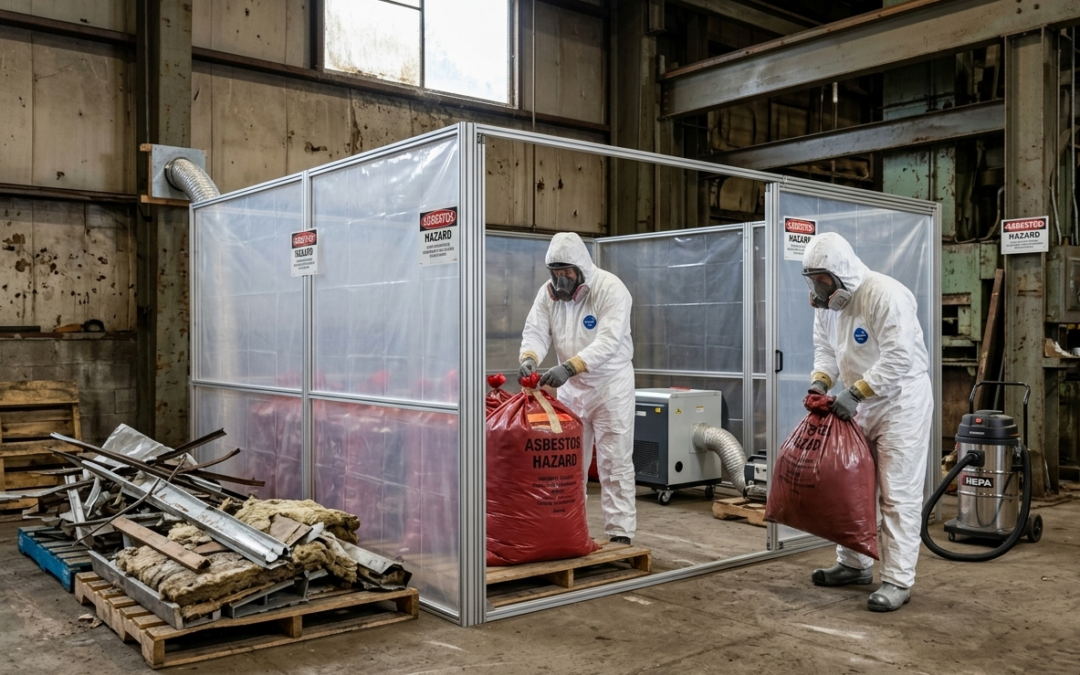
Commercial asbestos removal projects require strict workplace safety procedures to reduce exposure risks. Protective measures often include:
- Sealed work areas
- Negative air pressure systems
- HEPA filtration equipment
- Full protective clothing and respirators
- Controlled decontamination zones
- Specialized waste handling protocols
These systems help prevent fibers from spreading beyond the containment area while protecting workers and nearby occupants.
The Role of Environmental Compliance
Environmental regulations surrounding asbestos disposal continue to become more stringent. Businesses and contractors are expected to follow approved procedures for handling, transporting, and disposing of hazardous materials.
Failure to comply with asbestos disposal regulations may lead to:
- Legal penalties
- Project shutdowns
- Increased liability risks
- Health and safety violations
- Environmental investigations
Professional disposal providers help businesses navigate these complex requirements while maintaining safer job sites.
Long-Term Benefits of Proper Asbestos Disposal
Responsible asbestos management provides important long-term benefits for businesses and communities. Proper disposal helps:
- Protect worker health
- Improve environmental safety
- Reduce contamination risks
- Maintain regulatory compliance
- Support safer redevelopment projects
- Protect property values
- Improve public confidence in commercial developments
As sustainability and workplace safety become larger priorities, professional asbestos disposal continues to play a critical role in commercial construction and renovation industries.
For dependable asbestos cleanup and hazardous waste management services, Canadian Empire Recycling & Disposal provides professional support for commercial renovations, industrial sites, demolition projects, and contaminated waste removal. Their experienced team helps ensure asbestos materials are handled safely, transported responsibly, and disposed of according to environmental standards. Whether you require large-scale cleanup services or specialized hazardous waste disposal solutions, contact Canadian Empire Recycling & Disposal for reliable support for businesses and commercial properties in Squamish and surrounding areas.