
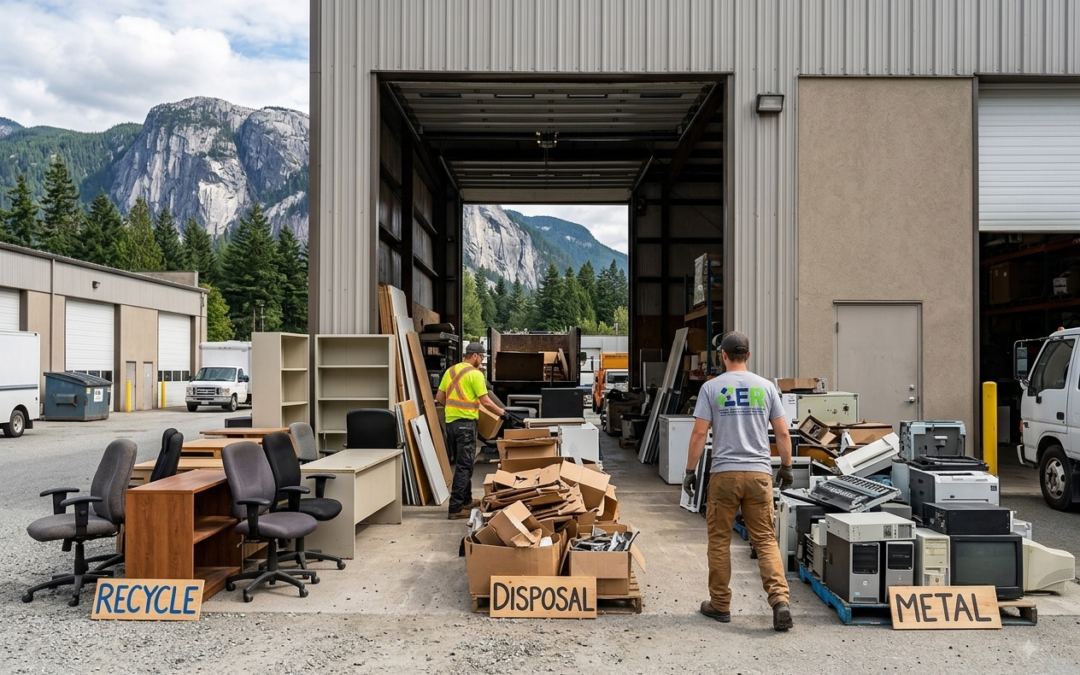
A commercial property cleanout can quickly become more complicated than expected. Offices, warehouses, retail spaces, workshops, restaurants, and other commercial properties can accumulate unwanted furniture, outdated equipment, damaged materials, packaging, renovation debris, and general business clutter over time.
When a business is preparing to relocate, renovate, close a facility, change tenants, or simply reclaim usable space, deciding what should be removed first can make the entire project more efficient.
For businesses researching Commercial Junk Removal Services Squamish, the first step should not be loading everything into a truck. A better approach is to identify what can be reused, recycled, recovered, or requires a specific disposal route.
This process can reduce unnecessary waste while helping businesses keep their cleanout organized.
Why Commercial Property Cleanouts Need a Plan
Commercial cleanouts often involve a much larger and more diverse range of materials than a typical residential cleanup.
A single property may contain:
- Office desks and chairs
- Shelving and storage systems
- Cardboard and packaging
- Scrap metal
- Old appliances
- Damaged equipment
- Wood materials
- Electronics
- Renovation debris
- Broken fixtures
- General business waste
If everything is treated as ordinary garbage, recyclable materials can be lost and potentially restricted materials may end up in the wrong waste stream.
Before removal begins, businesses should create a basic inventory of what is being cleared from the property.
What Should Businesses Remove During a Cleanout?
The answer depends on the type of business and the reason for the cleanout. However, several categories commonly appear during commercial property clearances.
1. Unused Office Furniture
Businesses often accumulate desks, chairs, filing cabinets, shelving, tables, and other furniture that is no longer needed.
A cleanout is a good opportunity to determine whether these items can be reused, donated, resold, or recycled before sending them for disposal.
Furniture that is damaged beyond practical reuse may still contain recoverable materials such as metal or certain plastics.
2. Outdated Equipment
Businesses can also accumulate equipment that has reached the end of its useful life.
This could include commercial fixtures, machinery components, appliances, tools, or other equipment specific to the business.
Before removing these materials, businesses should determine whether they contain batteries, fluids, refrigerants, electronics, or other components that may require separate handling.
3. Scrap Metal
Metal can represent a significant portion of commercial cleanout material.
Metal shelving, frames, fixtures, equipment components, and other items may have recycling value.
Separating scrap metal from general waste can help businesses recover materials instead of sending everything to landfill.
4. Cardboard and Packaging
Warehouses, retailers, distributors, and other businesses can accumulate large amounts of cardboard and packaging materials.
Flattening and separating recyclable cardboard before a cleanout can make the waste stream easier to manage.
It can also prevent recyclable materials from becoming contaminated by general garbage or other unwanted materials.
5. Renovation Debris
Commercial renovations can generate substantial quantities of unwanted materials.
Depending on the project, this can include:
- Wood
- Drywall
- Flooring
- Cabinets
- Fixtures
- Packaging
- Metal
- Other construction materials
Renovation debris should be separated where practical rather than automatically mixed with general commercial waste.
What Should Not Be Treated as Ordinary Junk?
One of the most important parts of a commercial cleanout is recognizing materials that need special consideration.
Businesses may discover:
- Chemicals
- Paints and solvents
- Oils
- Batteries
- Fluorescent lamps
- Electronics
- Pressurized containers
- Contaminated materials
- Unknown substances
These items should not automatically be placed into a general junk load.
The correct handling route depends on the material, quantity, condition, and applicable requirements.
If employees discover an unidentified container during a cleanout, they should avoid opening or mixing it with other materials. Identification and appropriate handling should come before removal.
Commercial Junk Removal vs. Commercial Waste Disposal
These terms can sound interchangeable, but they describe different aspects of waste management.
Junk removal generally focuses on collecting unwanted items from a commercial property and clearing usable space.
Commercial Waste Recycling Squamish involves managing business-generated waste through appropriate disposal or processing channels.
In a well-organized cleanout, the two can work together.
For example, a business may remove old furniture, separate scrap metal and cardboard for recycling, and identify specific materials that require specialized handling.
The objective should be to avoid treating every item as disposable waste.
Why Sorting Before Removal Matters
Sorting materials before they leave the property can make a major difference.
A simple sorting system can separate:
Reusable materials: Items that still have practical value.
Recyclable materials: Cardboard, metals, and other materials suitable for recovery.
General waste: Materials that cannot reasonably be reused or recycled.
Special handling materials: Items requiring additional assessment or specialized management.
This approach can reduce contamination and make downstream processing more efficient.
It also gives businesses a clearer understanding of how much material they are actually sending for disposal.
How to Prepare for a Commercial Cleanout in Squamish
Businesses can take several practical steps before arranging removal.
Start With a Walkthrough
Walk through every room, storage area, loading zone, and other relevant part of the property.
Create Material Categories
Group similar materials together rather than creating one large mixed pile.
Remove Personal or Sensitive Information
Office furniture, filing cabinets, computers, and storage systems may contain confidential business information. Businesses should review and securely handle sensitive records before removal.
Identify Special Materials
Check for chemicals, batteries, electronics, oils, or unknown containers before loading begins.
Keep Recyclables Separate
Where possible, keep cardboard, metal, and other recyclable materials separate from general waste.
Communicate With the Removal Provider
Explain the type and approximate quantity of materials involved. Photos or an inventory can also help when discussing a larger cleanout.
When Is Commercial Junk Removal Most Useful?
Businesses may benefit from organized commercial junk removal when:
- Moving to a new location
- Closing a business
- Renovating an existing property
- Clearing a warehouse
- Preparing a property for a new tenant
- Replacing old office furniture
- Cleaning out long-term storage
- Removing accumulated commercial clutter
- Preparing a property for sale or redevelopment
A planned cleanout can be especially useful when a business needs to clear a property within a specific timeframe.
How Businesses Can Reduce Future Commercial Junk
A cleanout should not always be viewed as a one-time event.
Businesses can reduce future accumulation by creating a simple waste-management routine.
For example, companies can review stored materials periodically, remove obsolete equipment, establish recycling stations, and avoid purchasing unnecessary supplies.
Warehouses can also monitor packaging materials and inventory that has remained unused for long periods.
The goal is to prevent small amounts of unwanted material from becoming a major cleanout problem later.
What Makes a Commercial Cleanout More Efficient?
Efficiency usually comes from preparation rather than speed alone.
A business that identifies materials before removal can make better decisions about what should be recycled, reused, disposed of, or handled separately.
It also reduces the chance of discovering unexpected materials at the last minute.
For larger properties, businesses can divide the cleanout into zones and complete one area at a time. This makes it easier to track what has already been cleared and what still needs attention.
A Better Approach to Commercial Property Cleanouts in Squamish
Commercial junk can accumulate quietly until a business suddenly needs to clear an entire property. At that point, trying to remove everything at once can create unnecessary confusion.
A more effective strategy is to assess the materials first, separate recyclable items, identify materials requiring special handling, and then arrange appropriate removal.
This approach can help businesses make better use of recycling opportunities while keeping unwanted materials out of unsuitable waste streams.
If your business is planning a property cleanout, warehouse clearance, office move, renovation, or large-scale removal project in Squamish, Canadian Empire Recycling & Disposal can help you plan an appropriate solution for your commercial materials. Contact Canadian Empire Recycling & Disposal to discuss your cleanout requirements and determine the right approach for removing and managing your unwanted business materials.