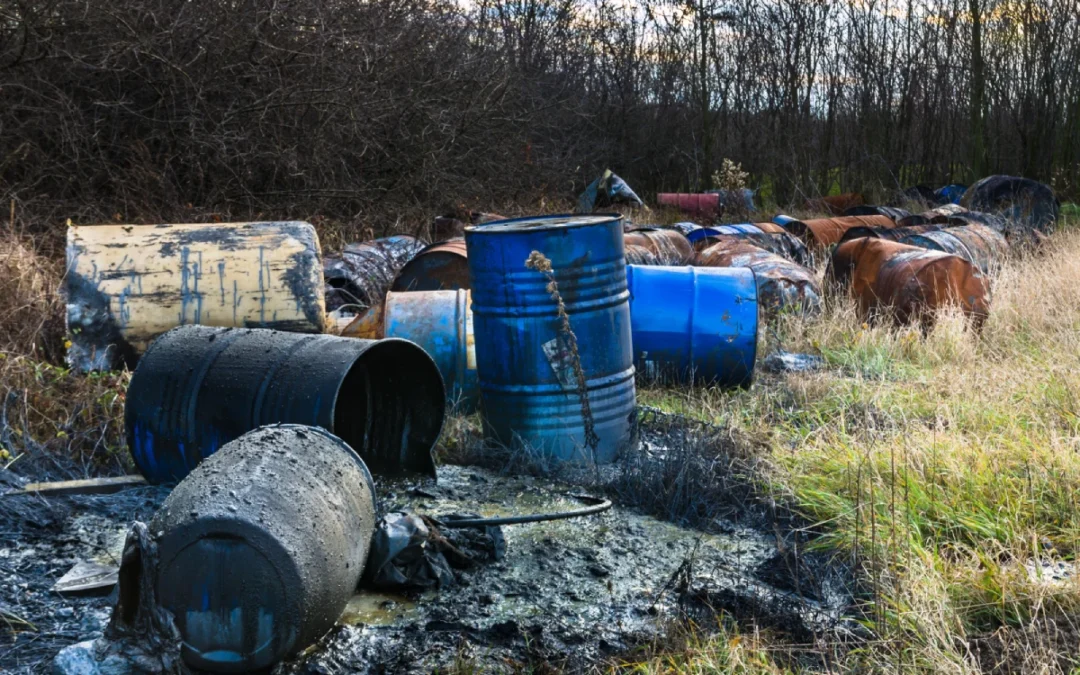
Old chemicals can accumulate quietly in commercial properties. A few outdated containers in a storage room, leftover products from a renovation, or chemicals inherited from a previous tenant may not seem like a major issue at first.
The problem starts when businesses need to clear them out.
Unwanted chemicals should not automatically be poured down a drain, placed in a regular garbage bin, or mixed with other waste. Their properties, condition, quantity, and original use can all affect how they should be handled.
For Richmond businesses, knowing what to do with unwanted chemicals before starting a cleanup can make the entire waste-management process safer and more organized.
First, Identify What You Have
Before deciding how to dispose of a chemical, find out what it is.
Look for the original product label, container information, safety documentation, or other identifying details. Common commercial chemicals can include cleaning products, solvents, degreasers, paints, coatings, laboratory substances, maintenance products, and other industrial materials.
Sometimes, however, businesses discover containers with faded labels or no labels at all.
Unknown chemicals should not be mixed together simply to make storage easier. Keeping them separated while their contents are identified can help prevent unwanted reactions or handling problems.
Don’t Pour Unwanted Chemicals Down the Drain
A chemical that is no longer needed should not automatically be treated like liquid household waste.
Pouring chemicals into sinks, floor drains, storm drains, or onto the ground can introduce substances into areas that were never designed to receive them.
Even products that appear diluted or harmless can have specific disposal requirements.
If a business has accumulated unwanted chemical products, it is better to determine the appropriate disposal route before taking any action.
Regular Garbage Is Not a Universal Disposal Solution
Commercial garbage bins are intended for permitted general waste. They are not a catch-all solution for chemical products.
Placing chemical containers into regular garbage can create problems if containers leak, break, or are damaged during collection and transportation.
It can also expose waste workers to substances they were not expecting to encounter.
This is particularly important when a business is conducting a large cleanup and several different types of waste are being removed at the same time.
What If the Chemical Is Still in Its Original Container?
An intact, labelled container can provide useful information about the product and its handling requirements.
However, that does not mean the product belongs in regular garbage.
Check the product information and determine whether the chemical is still usable, recyclable, returnable, or requires specialized disposal. If it is expired, unwanted, damaged, or no longer suitable for use, arranging an appropriate waste-management solution may be necessary.
Avoid opening containers unnecessarily just to determine whether the contents are still usable.
Damaged or Leaking Containers Need Extra Attention
A leaking chemical container should not be handled like an ordinary unwanted product.
If a container is damaged, leaking, bulging, corroded, or otherwise compromised, keep people away from the immediate area and avoid unnecessary handling. Do not attempt to combine the contents with another container.
The appropriate response depends on the substance and circumstances, so professional guidance may be needed before moving the material.
Chemical Waste Can Become Hazardous Waste
Not every chemical product has identical disposal requirements, but some unwanted chemicals may fall within hazardous waste categories.
This is why Hazardous Waste Disposal Richmond can be relevant when businesses are clearing out chemical products, solvents, oils, paints, or other potentially hazardous materials.
The classification and disposal route depend on the characteristics of the specific waste.
Rather than assuming that every chemical can be handled in the same way, businesses should identify the material and determine the appropriate disposal process.
What Happens During a Commercial Cleanup?
Chemical waste often appears alongside other materials during:
- Warehouse cleanouts
- Business closures
- Property turnovers
- Commercial renovations
- Facility upgrades
- Equipment replacement
- Maintenance-room cleanups
- Industrial or workshop operations
A cleanup may produce cardboard, metal, wood, electronics, general debris, and chemical products all at once.
Keeping these waste streams separated from the beginning can make the disposal process much easier to manage.
Why Mixing Chemicals Is a Bad Idea
Businesses sometimes want to consolidate containers to reduce the amount of space used during a cleanup.
That can be dangerous.
Different chemicals can have different properties, and combining substances without knowing their compatibility can create unwanted reactions. Even containers that appear similar should not automatically be combined.
Keep chemical products in their original containers whenever practical and avoid mixing unknown substances.
What Should Businesses Do With Empty Chemical Containers?
“Empty” does not always mean “safe for regular disposal.”
A container can retain residue even after most of the product has been used. Depending on what the container previously held and how much residue remains, different waste-management requirements may apply.
Businesses should identify what the container held before deciding how it should be discarded.
This small step can prevent potentially hazardous containers from entering an unsuitable waste stream.
Planning Chemical Waste Disposal in Richmond
Good chemical waste management starts before the waste is loaded for collection.
A business can begin by creating a simple inventory of unwanted chemical products. Record the product name where known, approximate quantity, container condition, and storage location.
Then separate chemical products from ordinary waste and determine which materials require specialized handling.
For larger cleanouts, planning ahead can also help coordinate collection and avoid having unwanted chemicals remain on-site longer than necessary.
When Should You Contact a Waste-Disposal Provider?
Consider getting professional assistance when:
- Chemical containers are damaged or leaking.
- The contents are unknown.
- There are multiple chemical products requiring disposal.
- A commercial property is being cleared.
- Large quantities of unwanted chemicals have accumulated.
- The waste cannot be placed into the normal commercial waste stream.
- You are unsure which disposal route is appropriate.
Professional waste-management support can help businesses understand their options before the materials are moved.
A Simple Rule for Richmond Businesses
If a chemical product is unwanted, unidentified, damaged, or potentially hazardous, don’t guess where it belongs.
Keep it separated from ordinary waste, avoid mixing it with other substances, identify the material where possible, and determine an appropriate disposal route.
Taking these steps can help prevent chemical products from entering drains, regular garbage, or other unsuitable waste streams.
For Richmond businesses, proper Chemical Waste Disposal Richmond planning is especially important during commercial cleanouts, renovations, property turnovers, and facility maintenance.
Get Your Unwanted Chemicals Handled Properly
Unwanted chemicals do not have to become a last-minute cleanup problem. With proper identification, separation, containment, and disposal planning, businesses can manage chemical waste more responsibly.
If your Richmond business has unwanted chemicals or other materials that may require specialized handling, contact Canadian Empire Recycling & Disposal and help you explore appropriate waste-disposal options. Call to discuss your requirements or Book Online to get started.
Frequently Asked Questions
Can unwanted chemicals be put in a regular commercial garbage bin?
Chemical products should not automatically be placed in regular commercial garbage. Depending on the substance and its condition, it may require a specialized waste-management or disposal process.
What types of chemical waste may require specialized disposal in Richmond?
Examples can include solvents, certain cleaning chemicals, degreasers, paints, coatings, oils, laboratory chemicals, and other commercial or industrial chemical products. The appropriate disposal method depends on the specific material and its characteristics.
What should a business do if it finds an unlabeled chemical container?
Keep the container separated from other waste and avoid opening, mixing, or transferring its contents. If the substance cannot be safely identified, seek appropriate professional guidance before arranging disposal.
Can Canadian Empire Recycling & Disposal help with chemical waste disposal in Richmond?
Yes. Canadian Empire Recycling & Disposal can help Richmond businesses explore appropriate options for managing unwanted chemicals and other potentially hazardous waste.