
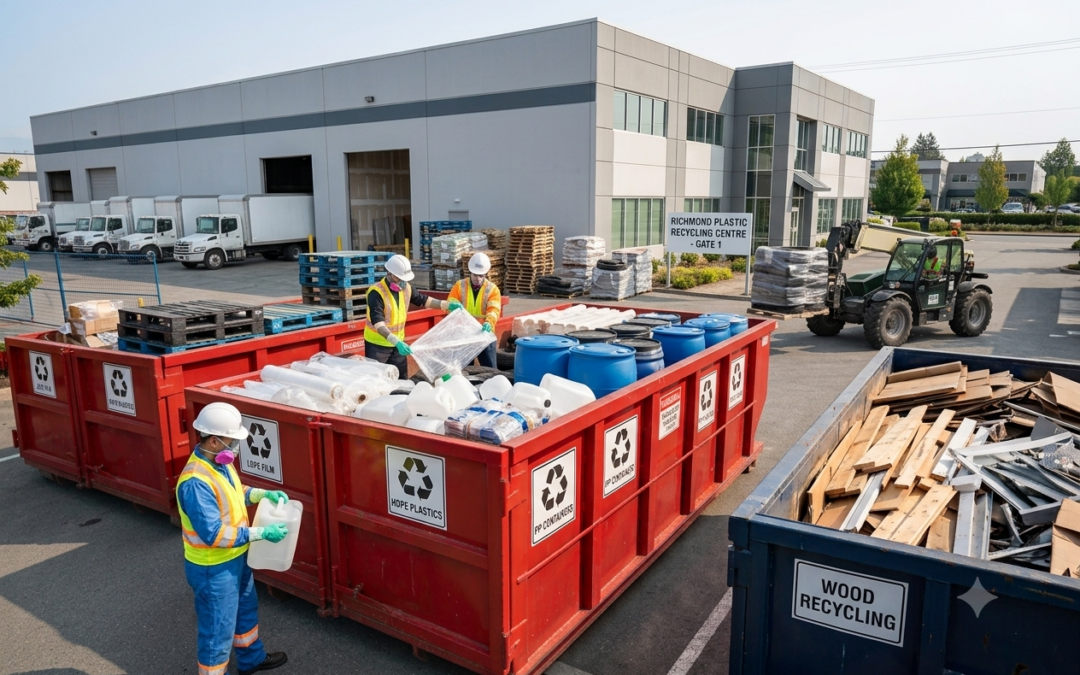
Plastic waste is one of the largest waste streams generated by commercial properties across Richmond. From shipping wrap and product packaging to plastic pallets, containers, and warehouse materials, businesses produce significant amounts of recyclable plastic every day. Unfortunately, many companies still dispose of these materials with general waste, increasing disposal costs while missing valuable recycling opportunities.
Whether you manage a warehouse, manufacturing facility, retail distribution centre, office building, or industrial property, implementing a structured Plastic Recycling Richmond strategy can improve operational efficiency, reduce landfill dependency, and support long-term sustainability goals.
Instead of treating recyclable plastics as ordinary garbage, businesses should view them as recoverable materials that can become part of a smarter commercial waste management program.
The Hidden Cost of Throwing Recyclable Plastic into General Waste
Many organizations focus on reducing waste collection costs without analyzing what is actually being thrown away.
Large volumes of recyclable plastic often end up in landfill containers simply because waste is not separated at the source.
This creates several avoidable expenses, including:
- Higher landfill disposal fees
- More frequent waste collections
- Increased dumpster capacity requirements
- Reduced recycling opportunities
- Poor sustainability performance
- Lost value from recyclable materials
When recyclable plastics are diverted before entering general waste bins, businesses often improve both operational efficiency and waste management costs.
Commercial Properties Generate More Plastic Waste Than They Realize
Unlike residential properties, commercial facilities produce plastic waste in bulk throughout normal business operations.
Common sources include:
- Stretch wrap
- Shrink wrap
- Plastic drums
- Product packaging
- Storage totes
- Plastic pallets
- Protective packaging
- Food-grade containers
- Shipping materials
- Retail display packaging
Without a dedicated recycling process, these materials quickly accumulate in loading docks, warehouses, and storage areas, reducing available workspace.
Better Waste Separation Creates Better Business Efficiency
One of the biggest mistakes commercial facilities make is mixing recyclable materials with general waste.
When plastic is separated at the point of disposal, businesses gain several operational advantages:
- Cleaner work areas
- Faster waste collection
- Better warehouse organization
- Reduced contamination
- Easier recycling processes
- Improved employee participation
Professional Commercial Waste Recycling Richmond services help businesses establish organized recycling systems that fit existing operations instead of disrupting them.
For companies handling multiple waste streams every day, proper separation is one of the simplest ways to improve workplace efficiency while reducing unnecessary disposal costs.
Sustainability Has Become a Competitive Advantage
Customers, investors, and business partners increasingly expect companies to demonstrate responsible environmental practices.
Organizations that actively recycle commercial plastics often strengthen:
- Corporate sustainability initiatives
- Environmental reporting
- ESG performance
- Customer confidence
- Brand reputation
Rather than treating recycling as an added expense, many Richmond businesses now see it as part of long-term operational planning.
Why Warehouse and Distribution Centres Benefit the Most
Warehouses process large volumes of packaged goods every day, making them one of the biggest generators of recyclable plastic.
Plastic film, pallet wrap, protective covers, containers, and shipping materials accumulate quickly if they are not removed through scheduled recycling programs.
Instead of allowing recyclable plastics to occupy valuable storage space, businesses can establish regular collection schedules that keep facilities organized while supporting smoother day-to-day operations.
For logistics companies, distribution centres, and manufacturers operating in Richmond, this approach improves productivity while reducing unnecessary waste accumulation.
Recycling Helps Reduce Long-Term Waste Management Costs
Commercial waste expenses are influenced by more than just collection frequency. The type of waste entering disposal bins also affects overall costs.
Businesses that recycle plastic materials before they enter landfill containers often experience:
- Lower disposal volumes
- Better waste diversion rates
- More efficient waste collection
- Improved storage utilization
- Cleaner commercial properties
- Better environmental performance
These long-term improvements make recycling an operational strategy rather than simply another environmental initiative.
Which Richmond Businesses Should Prioritize Plastic Recycling?
Almost every commercial industry generates recyclable plastic, but some businesses produce significantly higher volumes than others. Creating a dedicated recycling program can improve daily operations while supporting long-term waste reduction goals.
Industries that benefit the most include:
- Warehouses and distribution centres
- Manufacturing facilities
- Food processing businesses
- Retail stores and shopping centres
- Logistics and transportation companies
- Construction companies
- Property management companies
- Healthcare facilities
- Educational institutions
- Hospitality businesses
For these organizations, scheduled plastic recycling is more than an environmental initiative—it is an operational improvement that keeps facilities cleaner, safer, and more organized.
Common Mistakes Businesses Make with Plastic Waste
Many businesses invest in waste collection services but still lose money because recyclable materials are not managed correctly.
Mixing Plastic with General Waste
Once recyclable plastic is mixed with food waste, cardboard, or other contaminated materials, it becomes more difficult to recover efficiently. Source separation is one of the easiest ways to improve recycling results.
Waiting Until Storage Areas Overflow
Plastic waste often accumulates gradually, making it easy to ignore. Over time, storage rooms, loading docks, and warehouse corners become cluttered, affecting workflow and reducing usable space.
Failing to Train Employees
Even the best recycling program will struggle if employees are unsure where different materials should be placed. Clear signage and simple recycling procedures encourage consistent participation.
Ignoring Waste Audits
Businesses rarely measure how much recyclable plastic they throw away. Regular waste reviews help identify opportunities to reduce disposal costs and improve recycling performance.
Build a Commercial Plastic Recycling Plan That Works
A successful recycling program starts with understanding how plastic moves through your facility.
Consider these practical steps:
- Identify the main sources of plastic waste.
- Place clearly labelled recycling containers in high-volume areas.
- Separate clean plastic from contaminated waste.
- Schedule regular collections before materials begin piling up.
- Review recycling volumes every few months to identify improvements.
- Encourage employees to follow consistent recycling procedures.
Small operational changes can produce significant savings over time while helping businesses reduce landfill waste.
Choosing the Right Commercial Recycling Partner
Commercial recycling requires more than simply collecting waste. Businesses benefit from a recycling partner that understands operational schedules, bulk material handling, and the recycling needs of different industries.
A dependable provider should offer:
- Flexible pickup schedules
- Commercial-scale recycling solutions
- Reliable customer support
- Efficient collection services
- Responsible recycling practices
- Solutions that grow with your business
Working with an experienced recycling company allows businesses to focus on their operations while improving waste management performance.
Sending recyclable plastic to landfill is no longer an efficient solution for modern businesses. As commercial waste volumes continue to grow, companies that invest in organized recycling programs can reduce disposal costs, improve workplace efficiency, and strengthen their environmental commitments.
Implementing a professional Plastic Recycling Richmond program helps businesses recover valuable materials instead of treating them as waste. When combined with structured Commercial Waste Recycling practices, organizations can improve waste diversion, keep facilities organized, and support long-term sustainability goals.
If your warehouse, manufacturing facility, retail business, or commercial property is looking for reliable recycling solutions, Canadian Empire Recycling & Disposal provides dependable commercial plastic recycling services tailored to the needs of Richmond businesses. Contact Canadian Empire Recycling & Disposal today to develop a customized recycling program that helps your business reduce waste, improve efficiency, and support a cleaner environment.
Frequently Asked Questions
Why should businesses separate plastic from general waste?
Separating recyclable plastic reduces landfill waste, improves recycling efficiency, lowers disposal costs, and helps businesses achieve higher waste diversion rates.
Which Richmond industries generate the most recyclable plastic?
Warehouses, manufacturers, retailers, logistics companies, food processors, healthcare facilities, and construction businesses typically produce the largest volumes of recyclable plastic.
How often should commercial plastic recycling be scheduled?
The ideal schedule depends on the amount of plastic waste generated. High-volume facilities often benefit from weekly or recurring collections to prevent storage issues.
How can a commercial recycling partner improve business operations?
A professional recycling provider helps businesses organize waste streams, improve collection efficiency, reduce landfill disposal, and create a more sustainable waste management program while minimizing operational disruptions.