Styrofoam is everywhere—from packaging materials and food containers to insulation and shipping protection. While it’s lightweight and convenient, disposing of it in large quantities can be a real challenge. If you’re a homeowner, business owner, or contractor in Richmond, understanding how to manage bulk Styrofoam waste responsibly is essential for both environmental and operational efficiency.
What Is Styrofoam and Why Is It a Problem?
Styrofoam, also known as expanded polystyrene (EPS), is a petroleum-based plastic material. It’s commonly used because it’s cheap, durable, and excellent for insulation. However, it’s also one of the most difficult materials to recycle.
The main issues with Styrofoam include:
- It takes hundreds of years to decompose
- It easily breaks into small particles, contributing to pollution
- It’s bulky, taking up large amounts of landfill space
- It’s often contaminated with food or other substances
Because of these challenges, many standard recycling programs do not accept Styrofoam, especially in large volumes.
Why Bulk Styrofoam Waste Needs Special Attention
Handling a few foam containers is one thing—but bulk waste from businesses, warehouses, or construction sites is another. Large quantities can quickly overwhelm regular waste systems and create logistical problems.
Businesses dealing with packaging, appliances, electronics, or construction materials often generate significant amounts of Styrofoam. Without a proper plan, this waste can pile up, creating clutter, safety hazards, and unnecessary disposal costs.
The Importance of Proper Styrofoam Recycling
Recycling Styrofoam isn’t just about clearing space—it’s about reducing environmental impact. When processed correctly, Styrofoam can be compacted and reused in manufacturing new products like insulation boards, picture frames, and molding materials.
Using professional Styrofoam Recycling Richmond ensures that the material is handled efficiently and diverted from landfills whenever possible.
Challenges in Recycling Bulk Styrofoam
Recycling Styrofoam at scale comes with unique challenges:
- Volume vs. Weight: Styrofoam is extremely bulky but lightweight, making transportation inefficient
- Contamination: Food residue or mixed materials can make recycling difficult
- Sorting Requirements: Different types of foam must often be separated
- Limited Facilities: Not all recycling centers accept Styrofoam
These challenges make it clear why specialized recycling solutions are necessary.
Smart Strategies for Handling Bulk Styrofoam
If you’re dealing with large volumes of Styrofoam, here are the smartest ways to manage it:
1. Separate and Clean the Material
Keep Styrofoam separate from other waste streams. Remove any contaminants like tape, labels, or food residue to improve recyclability.
2. Reduce Volume with Compaction
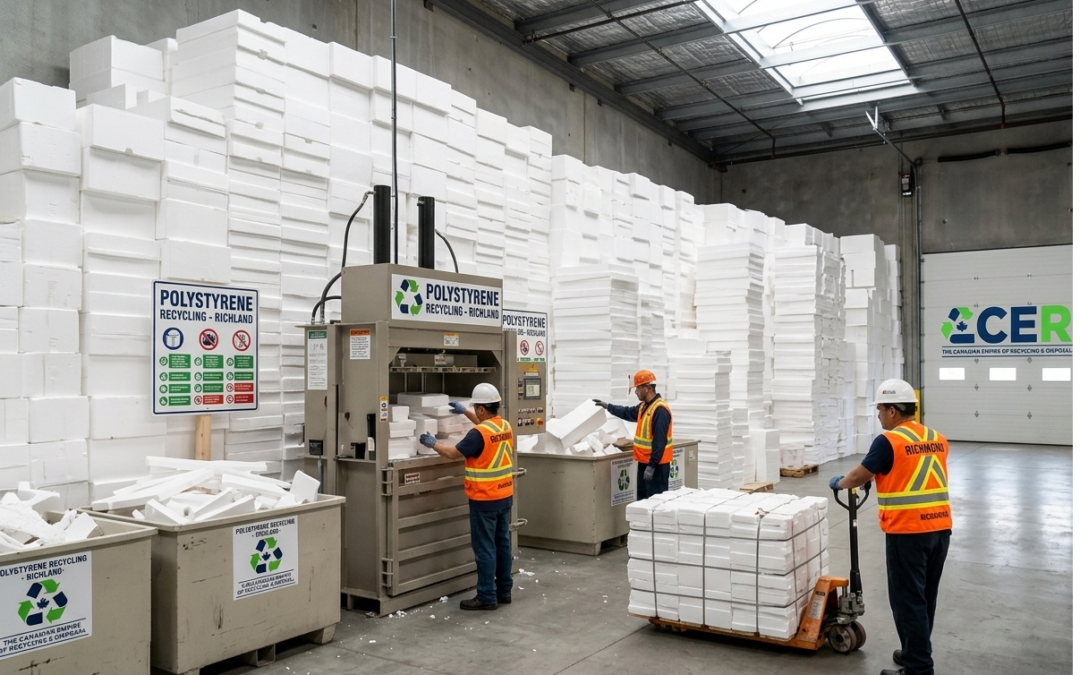
Using a foam compactor can significantly reduce the size of Styrofoam waste, making storage and transportation easier and more cost-effective.
3. Schedule Regular Pickups
Instead of letting waste accumulate, arrange routine pickups with a recycling service. This helps maintain a clean and safe workspace.
4. Partner with Recycling Experts
Professional services specializing in Commercial Waste Disposal Richmond can help streamline the process and ensure compliance with local regulations.
Benefits for Businesses and Industries
Efficient Styrofoam recycling isn’t just good for the environment—it also benefits your operations:
- Improves workplace organization
- Reduces disposal costs
- Enhances your brand’s sustainability image
- Helps meet environmental compliance standards
Industries that generate high volumes of packaging waste can especially benefit from Industrial Waste Disposal Richmond solutions tailored to their needs.
Environmental Impact of Proper Recycling
When Styrofoam is recycled correctly:
- Less waste ends up in landfills
- Fewer pollutants enter oceans and ecosystems
- Raw materials are conserved
- Carbon emissions associated with production are reduced
Taking responsibility for your waste is a crucial step toward a more sustainable future.
Common Mistakes to Avoid
Many people unknowingly make errors when disposing of Styrofoam:
- Throwing it in regular recycling bins
- Mixing it with contaminated waste
- Burning it (which releases toxic fumes)
- Ignoring bulk waste buildup
Avoiding these mistakes can save you time, money, and environmental harm.
Choosing the Right Recycling Partner
Not all waste management services are equipped to handle bulk Styrofoam. Look for a provider that:
- Offers specialized foam recycling solutions
- Provides flexible pickup schedules
- Ensures proper processing and recycling
- Complies with local environmental regulations
Working with experienced professionals ensures that your waste is managed responsibly from start to finish.
Reliable Styrofoam Recycling Support
If you’re looking for a dependable way to handle bulk Styrofoam waste, Canadian Empire Recycling & Disposal is a trusted choice. Their team provides efficient and eco-friendly solutions tailored to both residential and commercial needs.
From collection to proper recycling, Canadian Empire Recycling & Disposal ensures your Styrofoam waste is handled safely and in compliance with regulations. Whether you’re managing a warehouse, retail business, or renovation project, their expertise can simplify the entire process.
Don’t let Styrofoam waste pile up—contact Canadian Empire Recycling & Disposal today and take a smarter approach to recycling.
Frequently Asked Questions
Why is Styrofoam recycling difficult?
Its lightweight and bulky nature make transportation and processing more challenging compared to other materials.
Can I put Styrofoam in my regular recycling bin?
In most cases, no. Styrofoam requires specialized recycling facilities.
How can businesses reduce Styrofoam waste?
They can switch to alternative packaging, reuse materials, and partner with recycling services for bulk waste management.
Who should I contact for bulk Styrofoam recycling in Richmond?
Professional recycling and waste management companies can provide safe and efficient solutions for handling large volumes.