Drywall is a staple material in modern construction, used in homes, offices, and commercial buildings for walls and ceilings. While it’s widely considered safe when intact, many people don’t realize that drywall dust can pose health and environmental risks when disturbed. Whether you’re renovating, repairing, or demolishing a space, understanding the dangers of drywall dust is essential.
What Is Drywall Dust?
Drywall dust is a fine powder created when drywall panels are cut, sanded, or demolished. It typically contains gypsum (calcium sulfate), along with additives like silica, mica, and sometimes small amounts of other chemicals.
Because the particles are extremely fine, drywall dust can easily become airborne and spread throughout a space, making it easy to inhale or come into contact with.
Is Drywall Dust Dangerous?
While drywall itself is not highly toxic, the dust it produces can still be harmful—especially with prolonged exposure.
1. Respiratory Issues
Inhaling drywall dust can irritate the nose, throat, and lungs. This may lead to coughing, sneezing, and difficulty breathing. Long-term exposure can worsen respiratory conditions such as asthma.
2. Eye Irritation
Fine particles can enter the eyes, causing redness, itching, and discomfort.
3. Skin Irritation
Drywall dust can dry out the skin and cause irritation or rashes, particularly for those with sensitive skin.
4. Silica Exposure
Some drywall compounds may contain crystalline silica, which can be dangerous if inhaled over time. Prolonged exposure to silica dust is linked to serious lung conditions.
Who Is Most at Risk?
Certain individuals are more vulnerable to the effects of drywall dust:
- Construction workers and contractors
- DIY renovators and homeowners
- People with asthma or respiratory conditions
- Individuals working in poorly ventilated areas
If you fall into any of these categories, it’s especially important to take precautions.
How to Minimize Exposure to Drywall Dust
Reducing exposure is key to protecting your health. Here are some practical tips:
1. Use Protective Gear
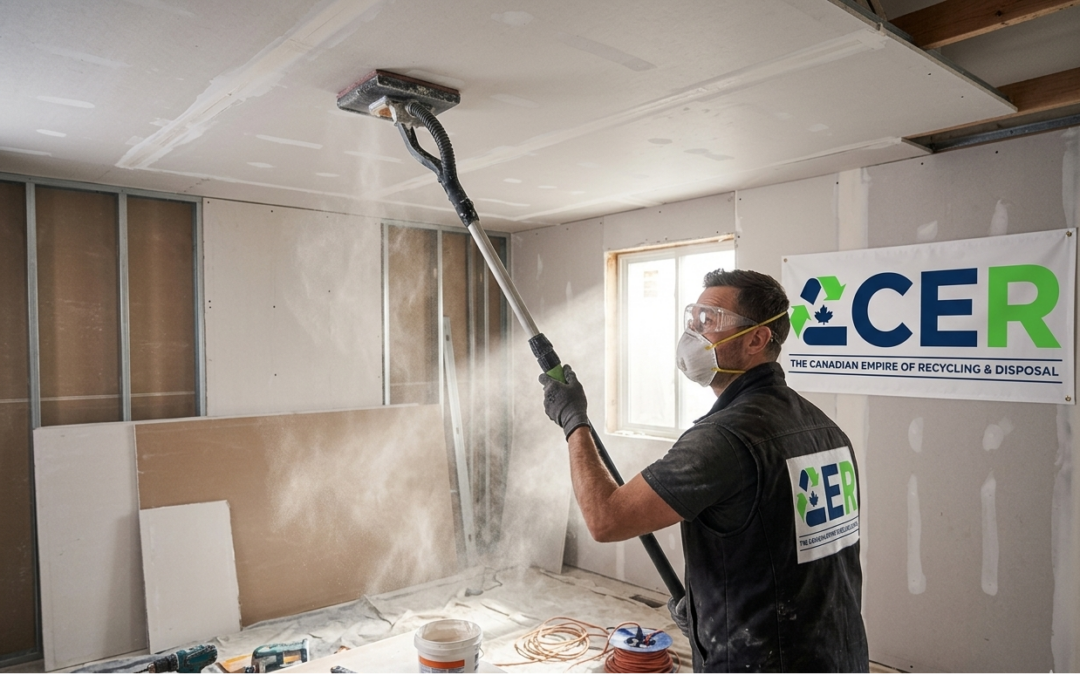
Wear masks (preferably N95 or higher), safety goggles, and gloves when working with drywall.
2. Ensure Proper Ventilation
Open windows and use fans or air filtration systems to keep dust levels low.
3. Use Dust-Reducing Tools
Modern sanding tools often come with vacuum attachments that help capture dust at the source.
4. Clean Up Properly
Avoid dry sweeping, as it can spread dust into the air. Instead, use a vacuum with a HEPA filter or damp cloths.
Environmental Concerns of Drywall Waste
Improper disposal of drywall waste can harm the environment. When drywall ends up in landfills, it can break down and produce hydrogen sulfide gas, which smells like rotten eggs and can be harmful in high concentrations.
This makes proper disposal not just a safety issue, but an environmental responsibility as well.
Drywall Disposal Richmond: Why It Matters
Proper Drywall Disposal Richmond ensures that waste materials are handled in an environmentally responsible way. Professional services can separate recyclable materials and reduce the amount of waste sent to landfills.
By choosing the right disposal methods, you contribute to a cleaner and safer community.
Hazardous Waste Disposal Richmond: Special Considerations
In some cases, drywall waste may be mixed with other materials like paint, adhesives, or chemicals. This combination can make it hazardous. That’s where hazardous waste disposal Richmond comes into play.
These specialized services ensure that contaminated materials are handled and disposed of in accordance with strict safety regulations, minimizing risks to both people and the environment.
Drywall Waste Drop Off Richmond: Convenient Solutions
For smaller projects, using a Drywall waste drop-off Richmond facility can be a convenient option. These facilities are designed to accept construction waste and ensure it is processed correctly.
Before dropping off materials, it’s important to check guidelines regarding sorting, packaging, and accepted materials to avoid complications.
Best Practices for Safe Drywall Handling
To stay safe while working with drywall, follow these best practices:
- Always wear appropriate protective equipment
- Keep work areas clean and well-ventilated
- Avoid prolonged exposure to dust
- Dispose of waste promptly and properly
- Work with professionals for large-scale projects
These steps can significantly reduce health risks and improve safety.
When to Call Professionals
While small DIY projects can be managed with proper precautions, larger jobs often require professional assistance. You should consider hiring experts when:
- There is a large volume of drywall waste
- The dust exposure is significant
- The waste is mixed with hazardous materials
- You need fast and efficient cleanup
Professionals have the tools and expertise to handle the job safely and efficiently.
So, is drywall dust dangerous? The answer is yes—especially when exposure is frequent or prolonged. While it may not be as hazardous as some other construction materials, it still requires careful handling and proper disposal.
Taking the right precautions can protect your health, while responsible disposal helps protect the environment.
For safe and reliable solutions, Canadian Empire Recycling & Disposal offers expert services for drywall and construction waste. Whether you need removal, recycling, or proper disposal, their experienced team ensures everything is handled efficiently and responsibly. Contact Canadian Empire Recycling & Disposal to keep your project clean, safe, and compliant.
Frequently Asked Questions
Is drywall dust toxic?
Drywall dust is not highly toxic, but it can still be harmful due to fine particles and possible silica content.
How do I clean drywall dust safely?
Use a vacuum with a HEPA filter or damp cloths instead of dry sweeping to prevent dust from spreading.
Can drywall be recycled?
Yes, drywall can often be recycled if it is clean and free from contaminants.
When should I hire professionals for drywall disposal?
You should hire professionals when dealing with large volumes, hazardous materials, or when you need safe and efficient cleanup.