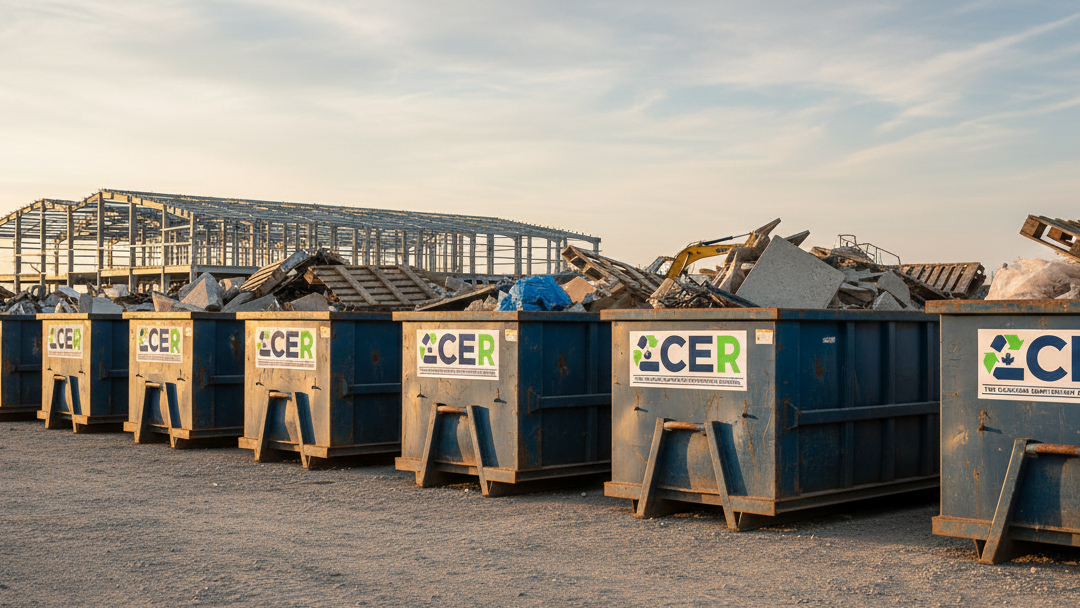
Construction and renovation projects in Richmond—whether residential, commercial, or industrial—generate a significant amount of debris. From drywall and wood to concrete and metal, managing this waste responsibly is not just about keeping a job site clean; it’s about staying compliant with local regulations. Many property owners and contractors ask the same question before renting a bin: Are construction waste bins regulated in Richmond? The short answer is yes. Richmond has clear guidelines that govern how construction waste bins are placed, used, and disposed of, and understanding them can save you time, money, and legal trouble.
Why Construction Waste Bin Regulations Exist
Construction waste bin regulations are designed to protect public safety, prevent environmental damage, and maintain neighborhood standards. Improperly placed or overloaded bins can block sidewalks, damage roads, or lead to hazardous materials leaking into storm drains. Richmond’s waste management rules aim to ensure that debris is handled responsibly while supporting recycling and diversion goals across Metro Vancouver.
Placement Rules for Construction Waste Bins
One of the most common regulatory issues involves where a bin can be placed. If a construction waste bin is located entirely on private property, such as a driveway or job site, it typically does not require a city permit. However, placing a bin on public property, including streets, lanes, or sidewalks, may require approval from the City of Richmond.
Public placement often comes with additional conditions, such as reflective markings, time limits, and minimum clearance requirements to ensure pedestrian and vehicle safety. Contractors should always confirm placement rules in advance to avoid fines or forced removal.
What Materials Are Allowed in Construction Waste Bins?
Not all materials are treated equally under Richmond regulations. Most construction waste dumpsters accept common debris such as wood, drywall, roofing materials, and concrete. However, hazardous materials, including asbestos, paints, solvents, and chemicals, are strictly prohibited unless handled through licensed hazardous waste programs.
Separating recyclable materials is also encouraged, and in some cases required, to support regional waste diversion targets. Working with experienced Bin Rental Services Richmond providers helps ensure that bins are used correctly and compliant materials are disposed of through approved facilities.
Weight Limits and Load Restrictions
Another key regulatory factor is bin capacity and weight. Overfilled dumpsters or loads exceeding weight limits pose safety risks during transport and can damage municipal infrastructure. Richmond enforces strict guidelines around load height—materials must not extend above the bin’s rim—and secure loading to prevent debris from falling during pickup.
Ignoring these rules can result in extra charges or delays in waste removal. Proper planning and choosing the right bin size are essential steps in staying compliant.
Commercial Construction Waste Regulations
Larger projects, especially commercial developments, face additional oversight. Commercial sites often produce higher volumes of waste and may be subject to inspections or documentation requirements. Proper labeling, separation of materials, and scheduled pickups are common expectations for Commercial Waste Removal Richmond projects.
Failing to comply with these standards can result in penalties or project delays, making regulatory awareness a crucial part of construction planning.
Environmental Compliance and Recycling Standards
Richmond follows Metro Vancouver’s waste management framework, which prioritizes recycling and landfill diversion. Many construction materials—such as metal, clean wood, and concrete—can be recycled instead of being sent to landfills. Contractors are encouraged to work with providers that support environmentally responsible disposal practices.
This is where professional Construction Waste Removal Richmond services play an important role, ensuring that waste is processed at licensed facilities and recyclable materials are properly diverted.
Who Is Responsible for Compliance?
Responsibility typically falls on the property owner, contractor, or site manager renting the bin. Even if a third-party company delivers the bin, the party in charge of the project is accountable for following local rules. Choosing a knowledgeable waste removal provider can significantly reduce compliance risks.
Companies like Canadian Empire Recycling assist contractors and property owners by providing guidance on acceptable materials, proper bin usage, and regulatory compliance, helping projects run smoothly from start to finish.
Consequences of Non-Compliance
Non-compliance with Richmond’s construction waste dumpster regulations can lead to fines, project delays, or mandatory waste removal at the owner’s expense. Repeated violations may also affect future permit approvals. Staying informed and proactive is always more cost-effective than dealing with penalties after the fact.
So, is construction waste regulated in Richmond? Absolutely. From placement and materials to weight limits and recycling requirements, these regulations are in place to protect the community and environment. Understanding and following them ensures your project stays on schedule, avoids unnecessary costs, and supports Richmond’s sustainability goals.
For reliable guidance, compliant bin rentals, and responsible disposal solutions, contact Canadian Empire Recycling, which offers professional construction waste and commercial waste removal services tailored to Richmond projects. Contact their team to ensure your next project meets all local regulations with ease.
Frequently Asked Questions
What construction materials are not allowed in waste bins?
Hazardous materials like asbestos, chemicals, paint, and solvents are prohibited and must be disposed of through licensed hazardous waste programs.
Can I overfill a construction waste bin if the debris is lightweight?
No. Bins must not exceed height or weight limits, regardless of material type, to ensure safe transport and compliance.
Are commercial construction projects regulated differently?
Yes. Commercial sites often have stricter waste management requirements, including material separation and documentation.
How can I ensure my construction waste disposal is compliant?
Work with an experienced bin rental and waste removal provider like Candian Empire Recycling that understands Richmond regulations and follows approved disposal practices.